How Often Do I Need to Recalibrate My CI‑110?

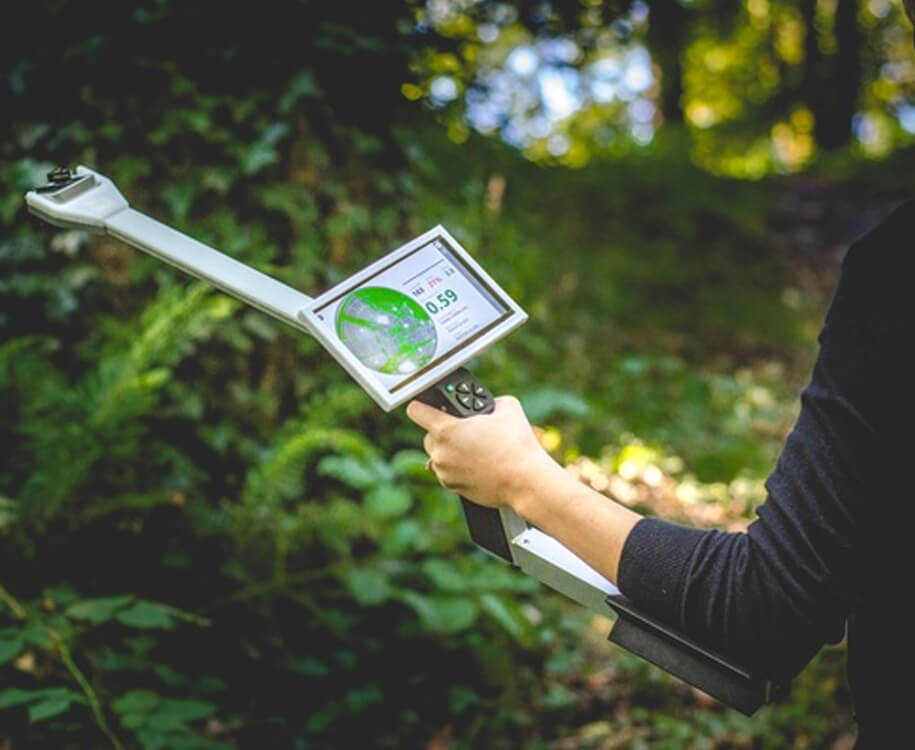
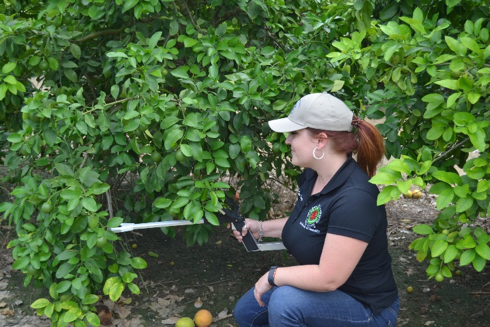
CI-110 Plant Canopy Imager: Field Work

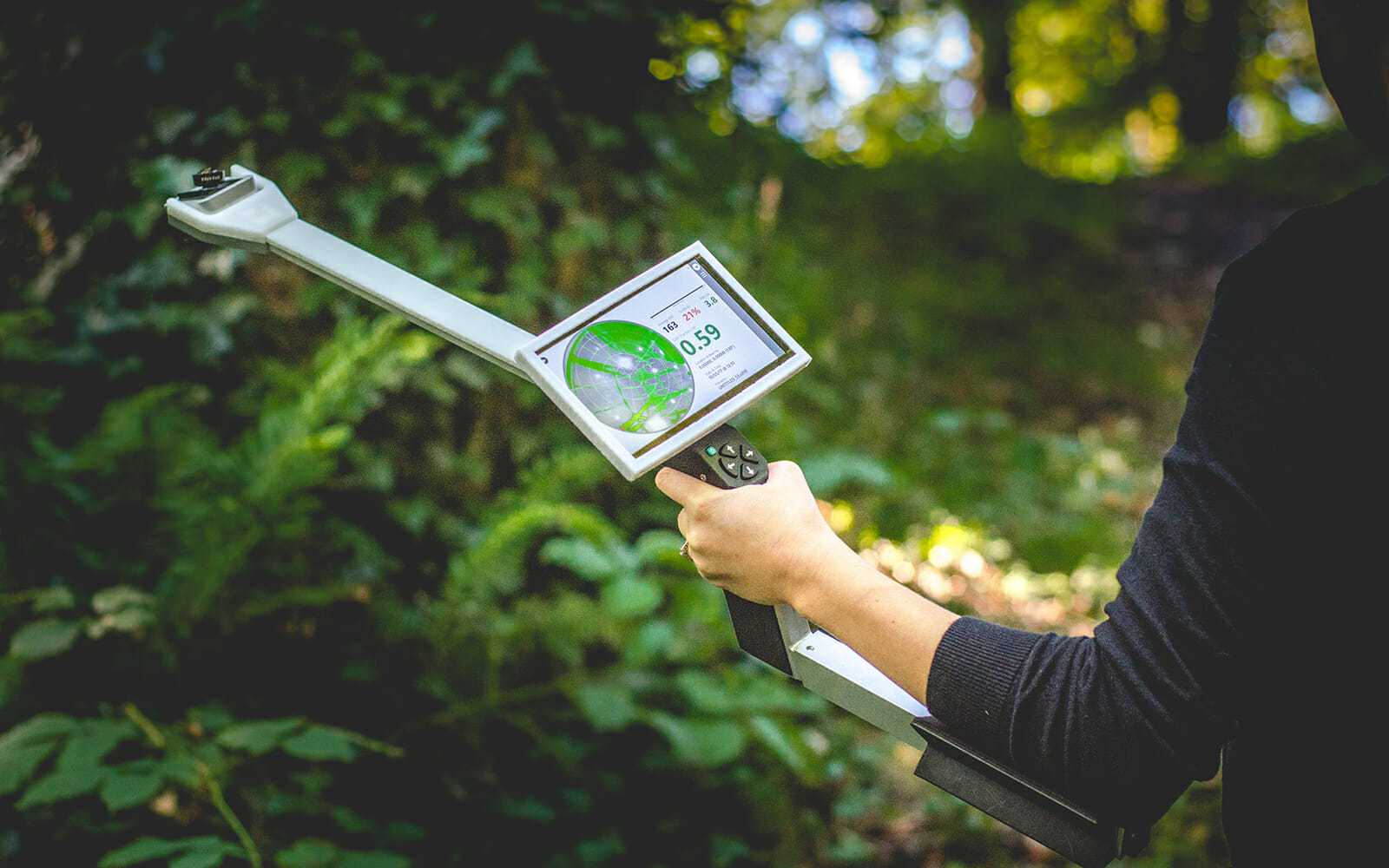
Researchers rely on accurate canopy measurements to understand plant growth, light interception, and ecosystem dynamics. That is why many users ask about CI-110 recalibration when they begin working with the Plant Canopy Imager. The good news is that the CI-110 is designed to minimize recalibration requirements while maintaining reliable measurements in the field. With a… Continue reading…

What’s the Difference Between Gap‑Fraction and PAR Methods in Canopy Analysis?

What’s the Difference Between Gap‑Fraction and PAR Methods in Canopy Analysis

When researchers compare canopy analysis methods, the conversation usually comes down to one practical question: do you want to estimate canopy structure from images of the canopy itself, or from the light that makes it through the canopy? That is the core difference between gap-fraction and PAR methods. Both are used to estimate leaf area… Continue reading…

Why Are My LAI Values Higher Than Expected and How Do I Check the Instrument?

If your leaf area index readings seem too high, the first thing to know is that high leaf area index values are not always caused by a faulty instrument. In many cases, the issue comes from measurement setup, image conditions, thresholding choices, canopy structure, or how the instrument is being used in the field. With… Continue reading…

CI‑110 vs Smartphone Fish‑Eye Canopy Solutions: Can cheap compete?

CI‑110 vs Smartphone Fish‑Eye Canopy Solutions Can cheap compete

Researchers talk a lot about quick canopy imaging tricks lately, especially when phone apps promise convenience. Those tools attract interest because they cost almost nothing and sit in every pocket. Still, when you compare them to a true plant canopy imager, the differences grow obvious fast. The CI-110 sits in a class of its own… Continue reading…

Measuring How Microclimate Affects Turmeric Yield

Turmeric is integrated as an under-canopy cash crop in agroforestry, as it is considered to be tolerant to light shade. The microclimate created by canopy trees differs, so it is important to find which species creates the optimum growing conditions for turmeric. Finding out the amount of light that is transmitted to the under-canopy is… Continue reading…

Influence of Environment on Plants

There is no denying the importance of light for the growth of plants; however, there are many other environmental factors—such as temperature, moisture and nutrient availability, and soil type–that also influence plant growth. These factors do not act in isolation and are, many times, correlated. So, it is interesting to see how light works in… Continue reading…

Upcoming Webinar: Made in the Shade- How 11 Research Studies Cleverly Use Canopy Analysis to Measure Crop & Forest Health

Special guest researchers Brendon Anthony of Colorado State University and Derek Godwin of Oregon State University, along with our application scientists Eric Munoz-Garcia and Galen George review 11 studies that have used canopy analysis for everything from typhoon effects to pruning!  Here is a quick look at some of what will be covered: How pruning… Continue reading…

Made in the Shade: How 11 Research Studies Use Canopy Analysis [Webinar Recording]

A couple weeks ago we hosted a webinar that looked at real research studies using canopy analysis in a variety of ways!  We were joined by two special guest researchers that talked about their own work using our CI-110 Plant Canopy Imager.  It was great to see so many different ways canopy imaging is used-… Continue reading…

Growth Regulators and Bio-stimulants Boost Plant Growth and Yield

We are currently faced with the task of increasing food production for a growing population with little additional land. Agriculture already uses 37% of land area and converting more forests to farms can further exacerbate environmental problems, so strategies, such as the use of bio-stimulants and plant growth regulators, could be a possible solution to… Continue reading…

The Dirt on Soil Carbon Formation During Afforestation

Soil carbon is the second-largest carbon sink in the world, and it is currently in focus during these times of accelerating climate change brought about by human activities. Very little is known on the patterns of carbon accumulation in the soil. Thus, it is essential to determine the mode and quantity of carbon being sequestered… Continue reading…