Latest uncategorized
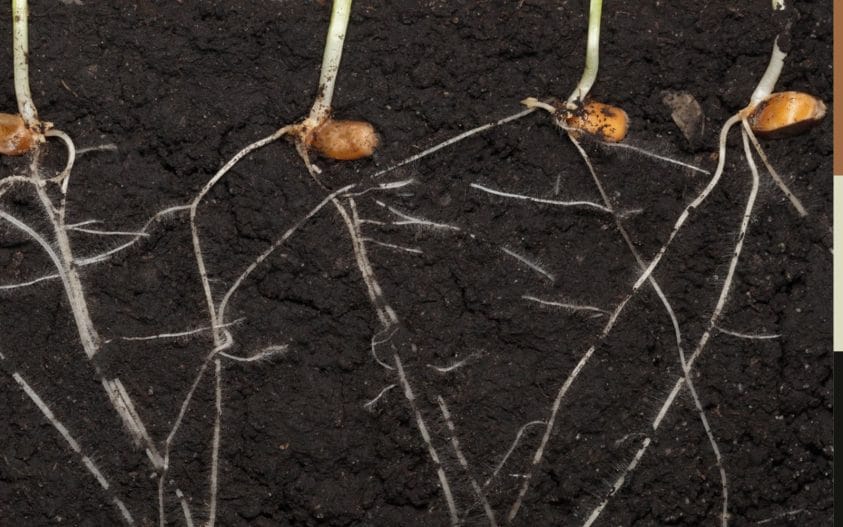
How Does Nitrogen Deposition Affect Plant Roots?
Nitrogen deposition significantly alters root traits across ecosystems and climate zones. Meta-analyses show a global trend, with trait-specific changes in root biomass, the root:shoot ratio, fine-root parameters, and mycorrhizal associations. However, variations from global trends exist by ecosystem, functional plant type, and climate. Some nitrogen deposition effects on crucial traits, such as root architecture and… Continue reading…



Additional reading

What Is Plant Disease Detection and Which Technology Works Best?
Plant health monitoring can improve agricultural practices, profits, crop yield, safety, and quality. Non-destructive technologies for early disease detection on-site include spectroscopy and image processing. Among these techniques, vis-NIR spectroscopy-based devices are the most widely used for non-destructive, early detection of plant diseases. Plant diseases result in the annual global loss of over 30% of… Continue reading…
What Is Nitrogen Deposition? How It Affects Plant Growth and Photosynthesis
Nitrogen (N) deposition from air pollutants such as nitrogen oxides and ammonia has been increasing for over a century, with no signs of a halt. N-deposition effects on growth, leaf traits, and physiological processes are species-specific and are influenced by other environmental factors. Positive effects occur as long as N deposition is moderate; higher doses,… Continue reading…
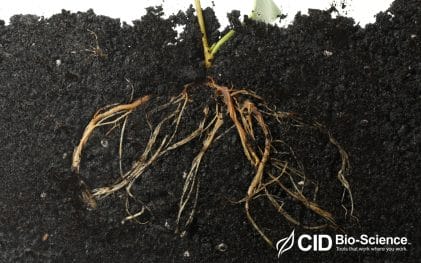
Mycorrhizal fungi Associations in Various Forest Types and Climate Change
Key Takeaways Global change, such as higher carbon dioxide, warming, pests, and diseases, has common effects on mycorrhizal community composition and abundance. The effects of drought, forest fires, and nitrogen deposition on the mycorrhizal community differ among forest types. As the temperature rises, the abundance of arbuscular mycorrhizal fungi is increasing, and ectomycorrhizal fungi are… Continue reading…

How Transpiration and Evaporation Shape Global Trends in Evapotranspiration
Evapotranspiration around the world can vary across biomes, and each biome experiences interannual variations. Transpiration contributes more to evapotranspiration in tropical humid regions, and soil evaporation is more prominent in arid and semiarid sparsely vegetated regions. Anthropogenic interventions, such as land-use change and irrigation, can alter evapotranspiration, transpiration, and soil evaporation. Evapotranspiration is a vital… Continue reading…
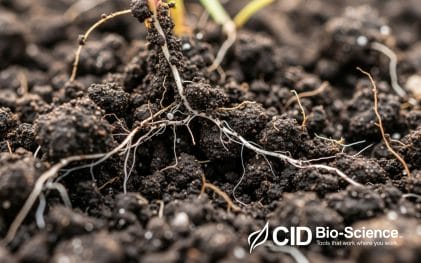
What We Learned in 2025 About Root Morphology
In 2025, root aging and senescence were in focus, as they can alter soil properties that affect vegetation’s effectiveness for restoration and land stability. Another trend was leveraging and improving soil beneficial microbial communities through intercropping and artificial inoculations to enhance crop sustainability. Belowground studies are diversifying into plant organs other than roots, such as… Continue reading…
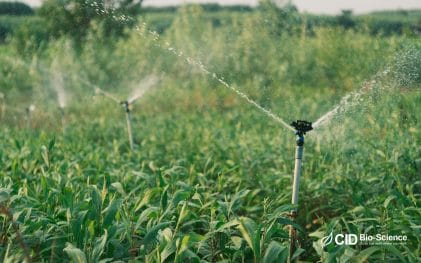
5 Important Research on Crop Water Use Efficiency in 2025
In 2025, findings on changes in crop production and water-use efficiency (WUE) under the current climate-change-driven drought scenario were a dominant trend. Many studies also focused on future-proofing crop production by improving WUE in different climate change scenarios. The number of variables considered is increasing to fill knowledge gaps and identify potential synergistic effects on… Continue reading…