How Often Do I Need to Recalibrate My CI‑110?

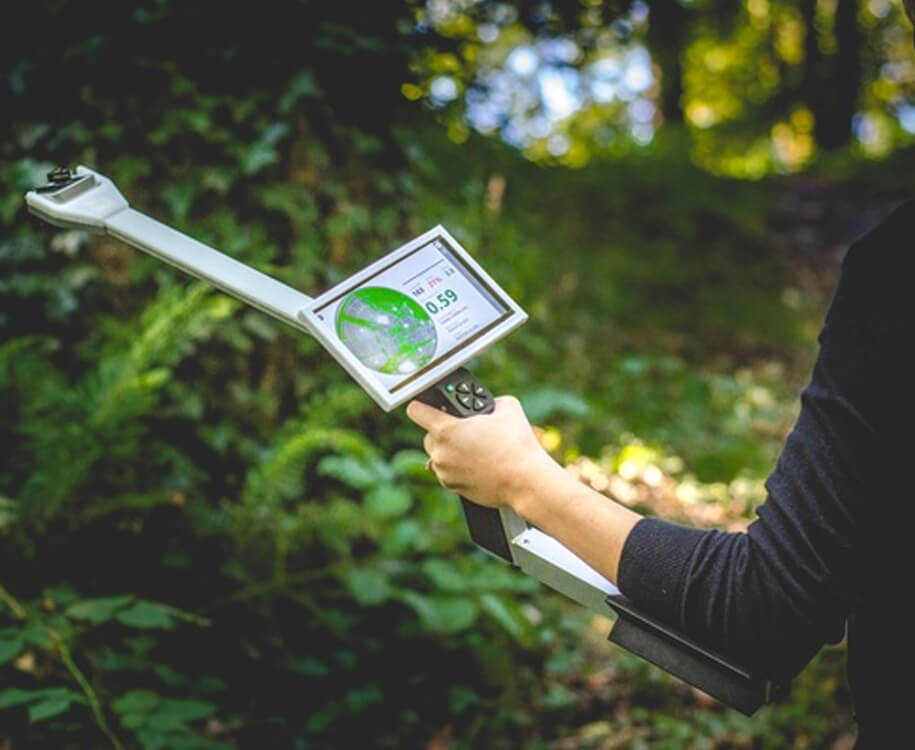
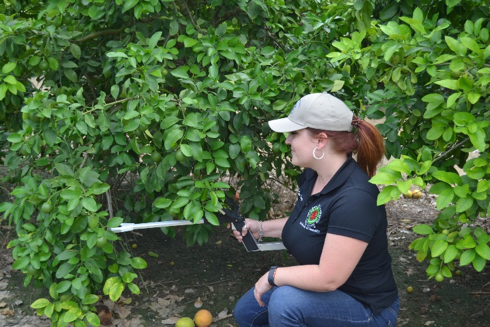
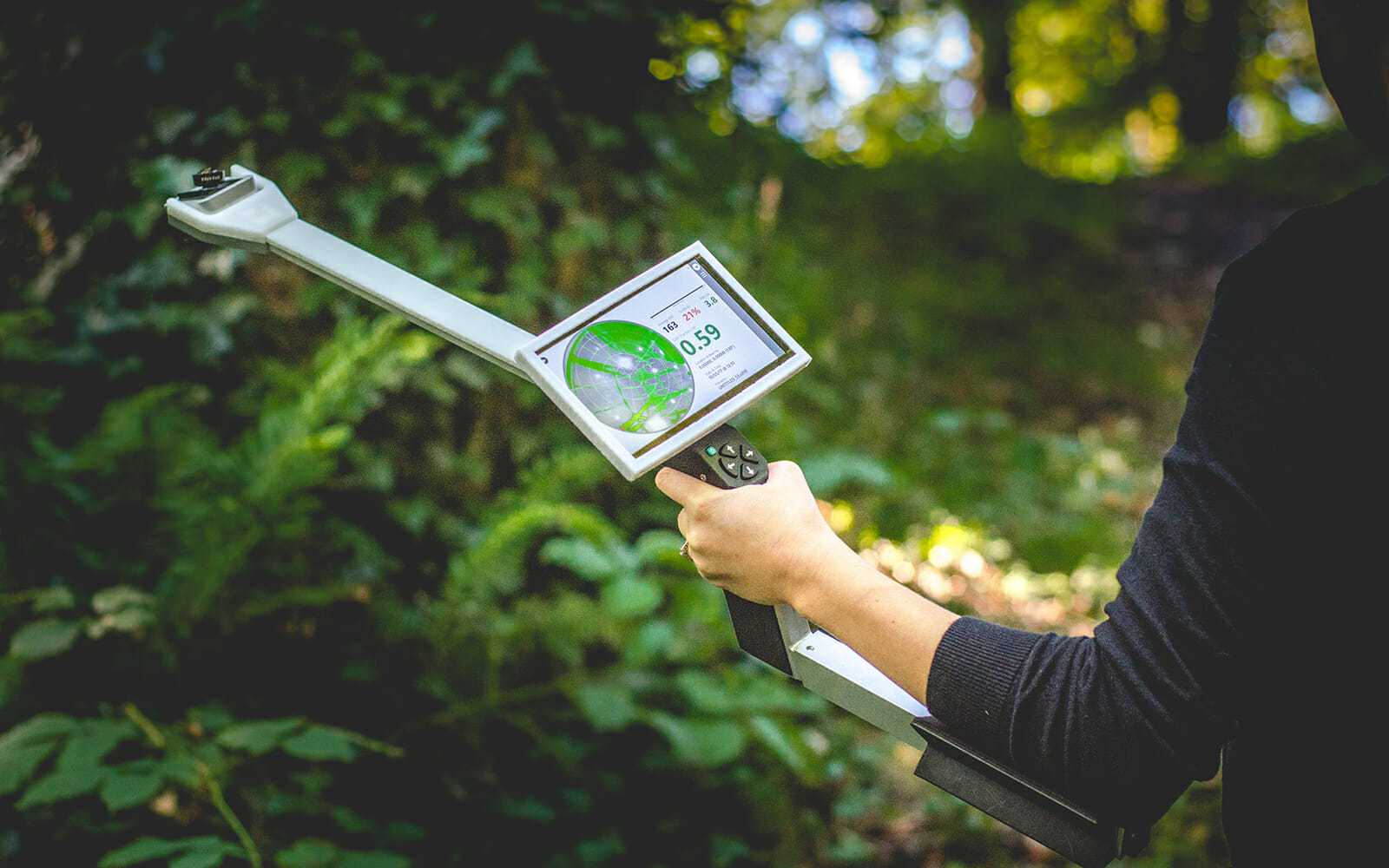
CI-110 Plant Canopy Imager: Field Work

Researchers rely on accurate canopy measurements to understand plant growth, light interception, and ecosystem dynamics. That is why many users ask about CI-110 recalibration when they begin working with the Plant Canopy Imager. The good news is that the CI-110 is designed to minimize recalibration requirements while maintaining reliable measurements in the field. With a… Continue reading…

What’s the Difference Between Gap‑Fraction and PAR Methods in Canopy Analysis?

What’s the Difference Between Gap‑Fraction and PAR Methods in Canopy Analysis

When researchers compare canopy analysis methods, the conversation usually comes down to one practical question: do you want to estimate canopy structure from images of the canopy itself, or from the light that makes it through the canopy? That is the core difference between gap-fraction and PAR methods. Both are used to estimate leaf area… Continue reading…

Why Are My LAI Values Higher Than Expected and How Do I Check the Instrument?

If your leaf area index readings seem too high, the first thing to know is that high leaf area index values are not always caused by a faulty instrument. In many cases, the issue comes from measurement setup, image conditions, thresholding choices, canopy structure, or how the instrument is being used in the field. With… Continue reading…

What Environmental Conditions Affect Root Image Quality in the CI‑600?

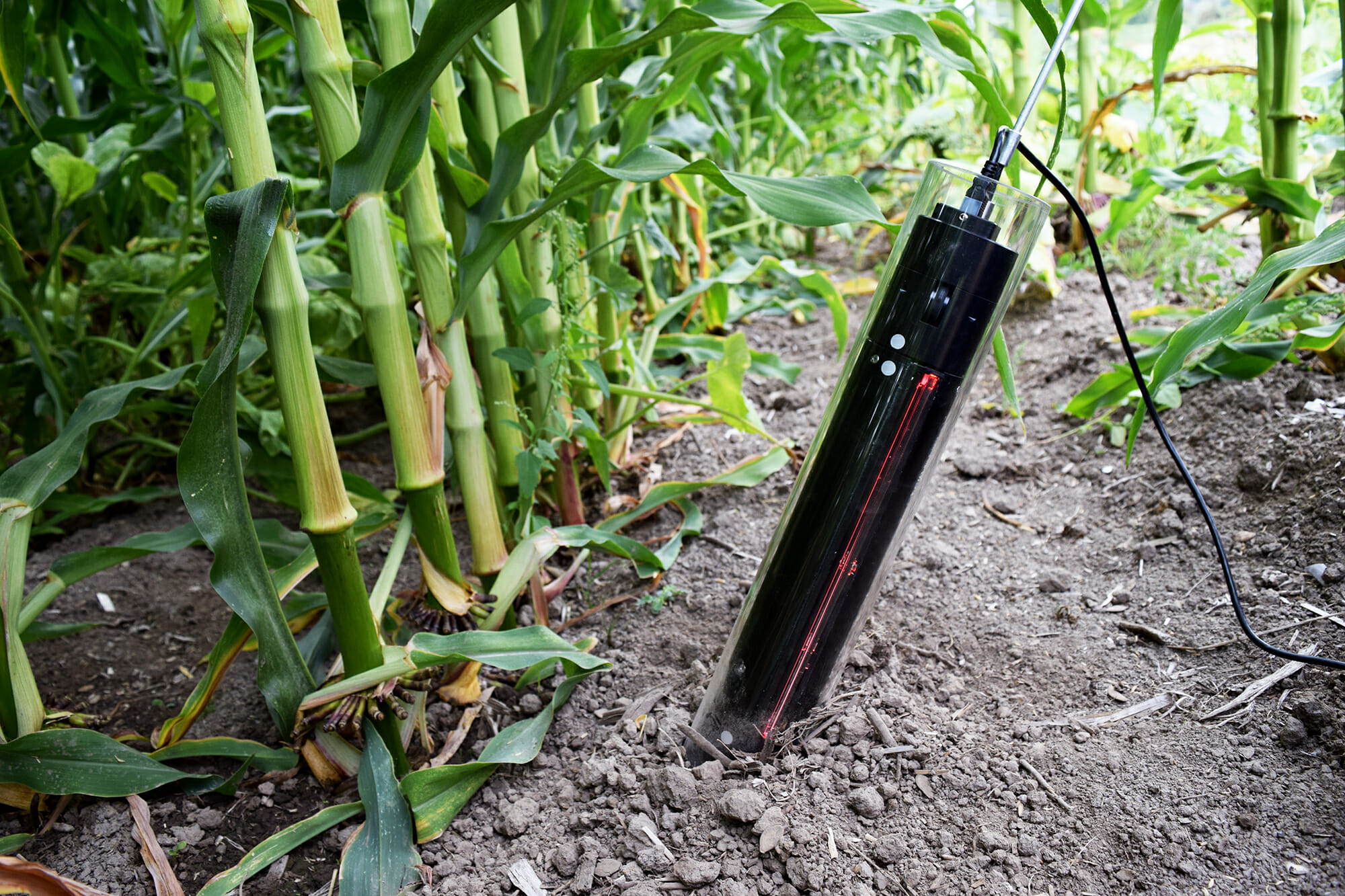
CI-600 In-Situ Root Imager

Root image quality is one of the most important factors when working with in situ root phenotyping systems like the CI-600. If the image is unclear, inconsistent, or distorted, downstream analysis becomes less reliable. That is why understanding how environmental conditions influence root image quality is critical for researchers who want consistent, publishable data. The… Continue reading…