7 Protocols for Field Phenotyping That You Can Automate

Scott Trimble

June 18, 2026 at 5:15 pm | Updated June 18, 2026 at 5:15 pm | 5 min read
Field phenotyping has always required a balance between precision and practicality. Researchers want high resolution data, but they also need workflows that hold up under real field conditions. That is where automated field phenotyping becomes essential. By integrating portable, purpose-built tools into your protocol, you can standardize measurements, reduce user bias, and collect more data in less time without sacrificing accuracy.
Below are seven field phenotyping protocols that you can automate right now using CID Bio-Science instruments. Each approach is built around tools designed specifically for plant research in dynamic environments.
1. Automated Leaf Area Measurement in the Field
Leaf area remains one of the most widely used phenotypic traits. The challenge is measuring it consistently across treatments and environments without damaging plants.
Subscribe to receive our monthly round-up of articles.
The CI-203 Handheld Laser Leaf Area Meter enables rapid, non-destructive measurement of living leaves. With a simple sweep across the leaf surface, the instrument captures area, length, width, perimeter, shape factor, ratio, and void count in one pass. It also flattens curled leaves for improved accuracy and displays the scanned outline for instant verification.
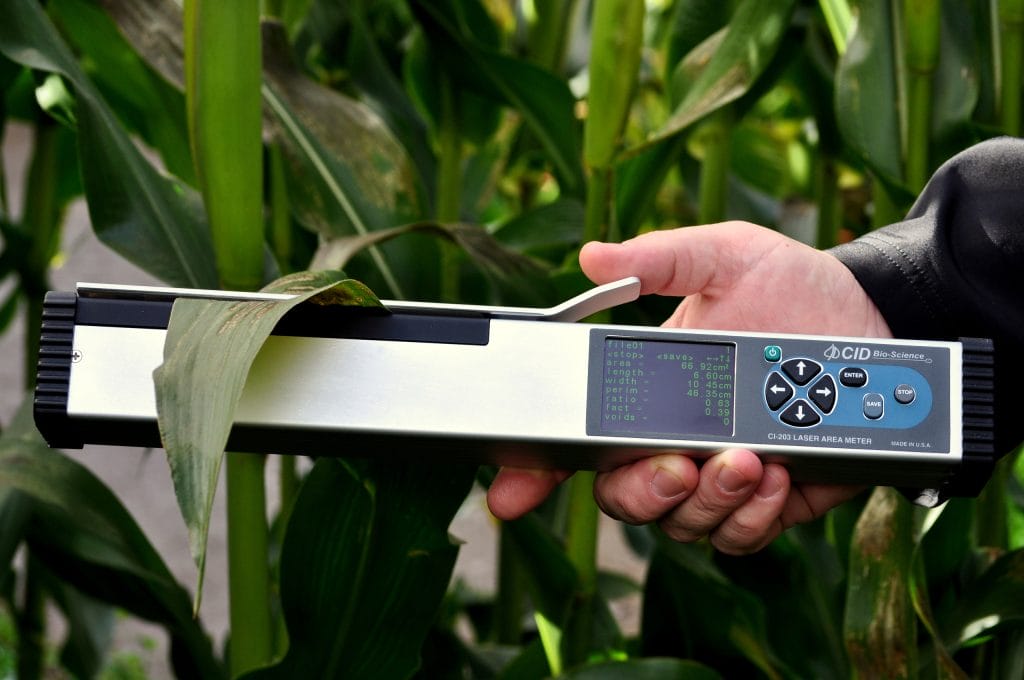
Because data are stored on an SD card with virtually unlimited capacity, this protocol scales easily across hundreds of plots. GPS tagging further automates location tracking, reducing manual record keeping.
For detached samples, the optional conveyor attachment allows high-throughput scanning without recalibration. No user calibration is required, which removes a common source of variability.
2. High-Throughput Detached Leaf Scanning
In breeding programs or pathology studies, researchers often need to process thousands of excised leaves quickly.
The CI-202 Portable Laser Leaf Area Meter is optimized for this kind of workflow. It measures area, length, width, and perimeter while calculating shape factor and ratio at a resolution of 0.01 cm².
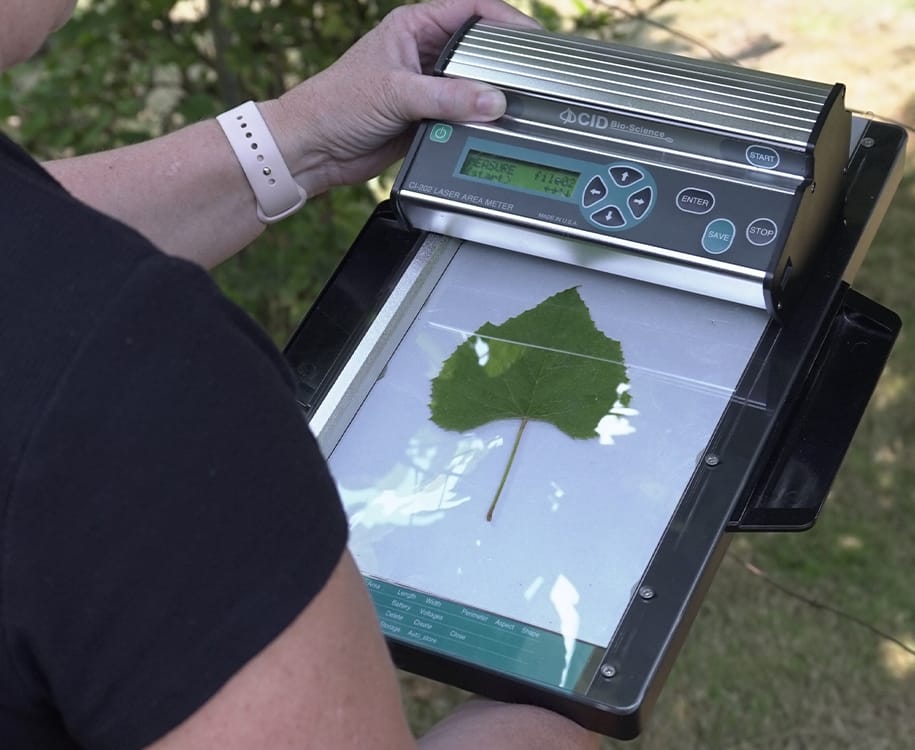
With onboard storage for up to 8,000 measurements and a built-in data logger, you can complete entire sampling days without transferring data. The rechargeable battery and USB connectivity make the process straightforward.
Automating this protocol reduces transcription errors and ensures consistent resolution across users and seasons. For comparative trials, that consistency is critical.
3. Automated Gas Exchange and Photosynthesis Curves
Photosynthetic performance drives yield and stress response. Yet traditional gas exchange systems often require bulky consoles and long equilibration times.
The CI-340 Handheld Photosynthesis System streamlines this protocol. Direct chamber connection to the CO2 and H2O gas analyzer reduces measurement delay, enabling rapid gas exchange readings.
You can automate:
-
Light response curves with the Light Module
-
Temperature response curves with the Temperature Control Module
-
CO2 and H2O manipulation for controlled physiology studies
-
Simultaneous chlorophyll fluorescence and photosynthesis measurements
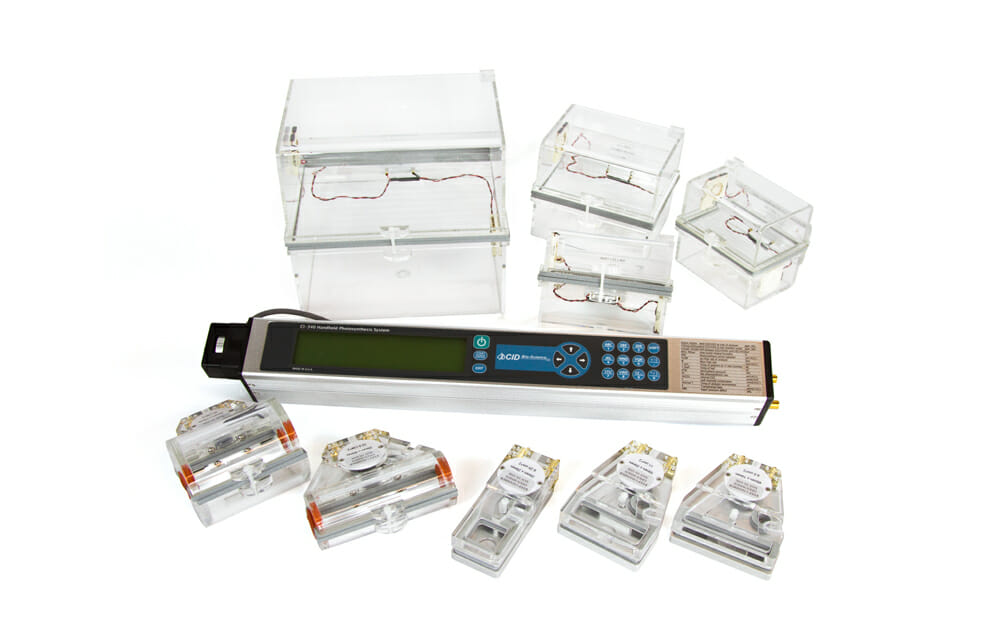
Ten interchangeable chambers accommodate diverse leaf morphologies, including conifers and cacti. That flexibility allows standardized protocols across species without switching systems.
Because the instrument is optimized for single-handed operation, field phenotyping becomes more efficient. Researchers can move plot to plot without interrupting workflow.
4. Instant Canopy Structure and LAI Estimation
Canopy architecture influences light interception, water use, and productivity. Traditionally, leaf area index estimation required destructive sampling or complex post-processing.
The CI-110 Plant Canopy Imager automates canopy analysis in real time. Its self-leveling digital camera captures 150 degree hemispherical images while 24 PAR sensors provide alternative LAI measurements.
Key automated outputs include:
-
Leaf Area Index
-
Gap fraction distribution
-
Leaf angle distribution
-
Canopy extinction coefficients
-
Sunfleck analysis
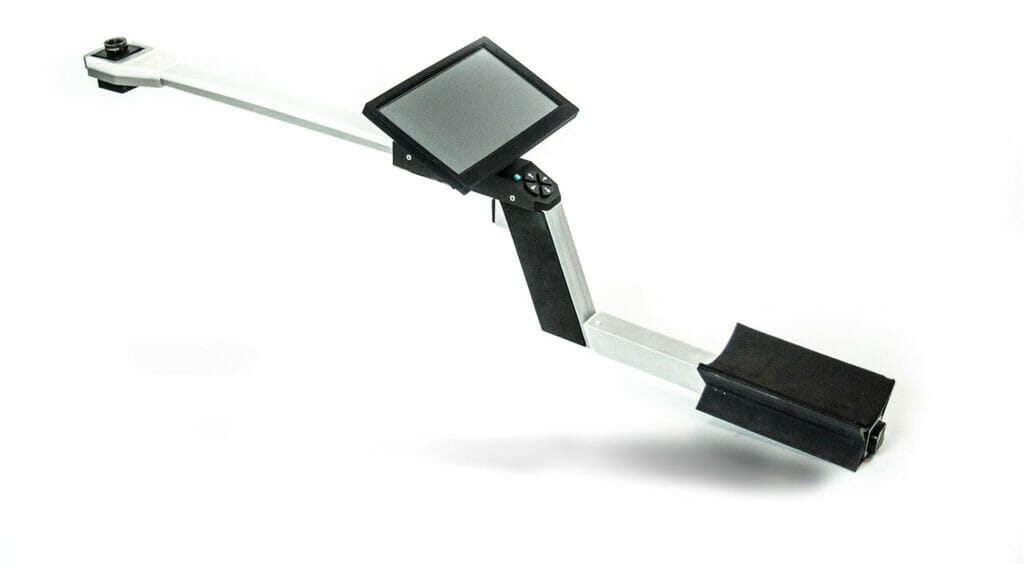
No above-canopy reference readings are required for gap fraction LAI. Measurements can be taken under any sky condition, and location data are automatically acquired via multiple satellite constellations.
This protocol eliminates subjective thresholding and manual image sorting. With built-in thresholding methods such as Otsu and entropy crossover techniques, analysis becomes standardized across operators.
5. In Situ Root Imaging Without Excavation
Root phenotyping is often the least automated and most destructive component of field phenotyping. Excavation disrupts soil structure and limits repeated measurements.
The CI-600 In-Situ Root Imager addresses this by enabling non-destructive minirhizotron imaging in the field. Once tubes are installed, researchers can repeatedly image root growth over time.
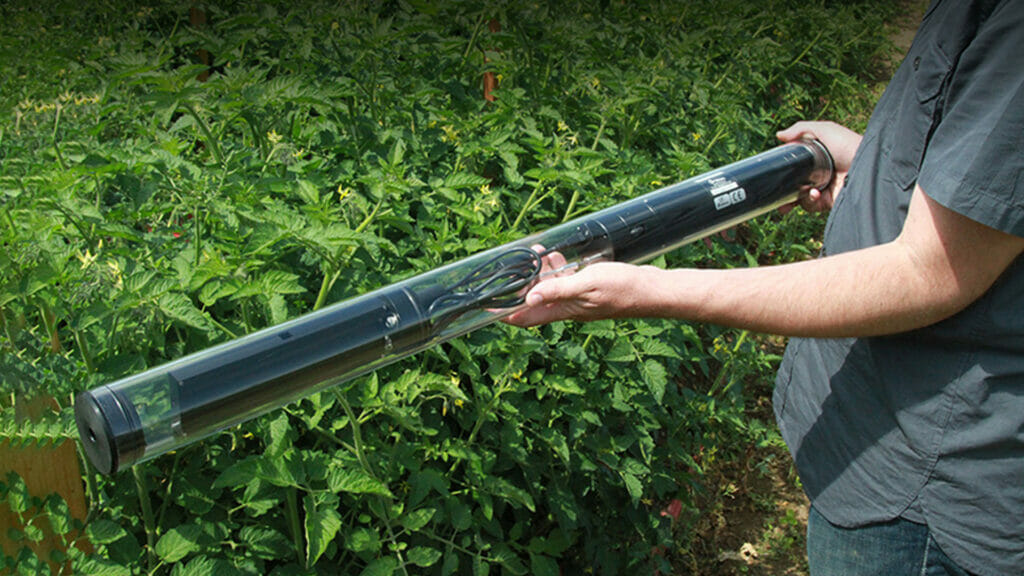
Automated digital capture allows:
-
Root length and density tracking
-
Temporal growth comparisons
-
Treatment response monitoring
Because imaging is repeatable in the same soil profile, this protocol supports longitudinal studies without disturbing the system. Data remain consistent across sampling dates, improving statistical power.
6. Spectral Stress and Pigment Analysis in Real Time
Physiological stress often appears spectrally before visible symptoms develop. Automating spectral measurements allows early detection of nutrient deficiencies and environmental stress.
The CI-710s SpectraVue Leaf Spectrometer measures reflectance, transmittance, and absorbance across a 360 to 1100 nm range.
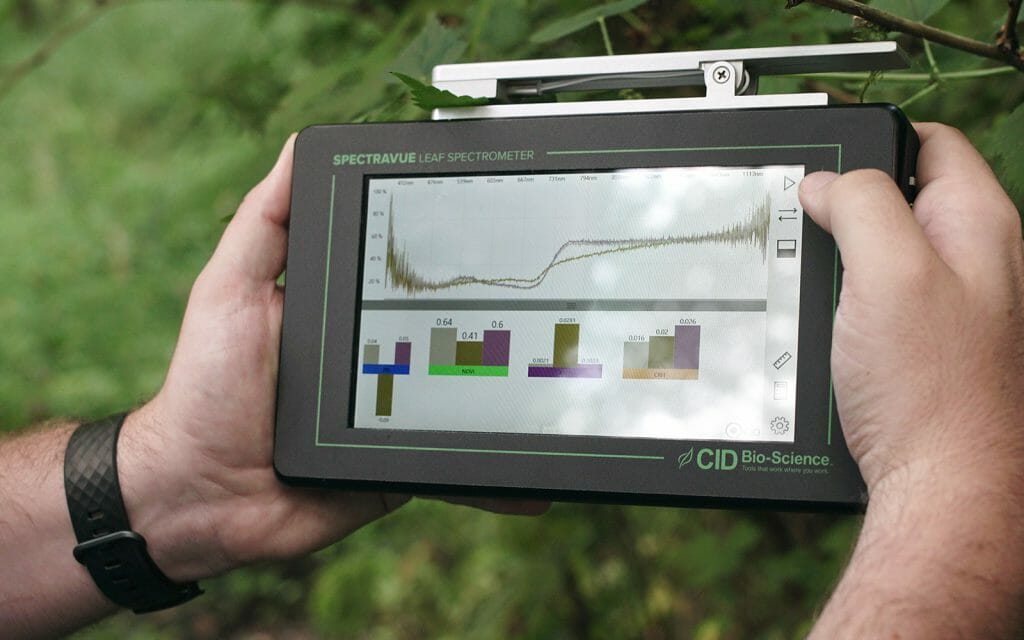
With onboard software and a 7 inch touchscreen display, researchers can:
-
Use preloaded vegetation indices
-
Create custom indices
-
Quantify pigment concentrations
-
Apply chemometric techniques such as PLS modeling
Because spectra are analyzed in the field, decisions can be made immediately. GPS-enabled data logging further supports automated mapping of stress gradients across plots.
This protocol integrates seamlessly with gas exchange and canopy measurements, creating a more complete physiological profile.
7. Integrated Multi-Trait Field Phenotyping Workflows
The real advantage of automated field phenotyping emerges when multiple protocols are combined into a unified workflow.
For example:
-
Measure canopy structure and LAI with the CI-110
-
Capture leaf-level gas exchange using the CI-340
-
Scan leaf area non-destructively with the CI-203
-
Analyze spectral stress with the CI-710s
-
Monitor root growth using the CI-600
Because each instrument is portable, GPS-capable, and designed for field durability, datasets can be synchronized across traits and time points. The result is a high-resolution phenotypic profile from roots to canopy.
Unlike fragmented systems that require separate software environments or extensive recalibration, CID Bio-Science instruments prioritize usability. Most tools require no user calibration, reducing training time and variability.
Why Automating Field Phenotyping Matters
Manual data collection introduces variability. Differences in scanning angle, light conditions, or operator judgment can compound over a growing season.
Automated field phenotyping:
-
Standardizes data collection
-
Reduces transcription errors
-
Enables high-throughput sampling
-
Improves repeatability
-
Expands trait coverage
CID Bio-Science designs instruments specifically for these realities. The emphasis is on portability, precision, and intuitive operation. Researchers can focus on experimental design rather than troubleshooting hardware.
Take the Next Step with CID Bio-Science
If you are building or refining your automated field phenotyping workflow, CID Bio-Science offers a complete suite of tools for leaf, canopy, root, physiological, and spectral analysis.
Explore the full instrument lineup, compare specifications, and review published applications at cid-inc.com. Whether you are working in breeding trials, ecological monitoring, or stress physiology, CID Bio-Science provides field-ready solutions that scale with your research.
Related Products
Most Popular Articles
- Transpiration in Plants: Its Importance and Applications
- Leaf Area – How & Why Measuring Leaf Area…
- How to Analyze Photosynthesis in Plants: Methods and Tools
- Plant Respiration: Its Importance and Applications
- The Forest Canopy: Structure, Roles & Measurement
- Stomatal Conductance: Functions, Measurement, and…
- Forest & Plant Canopy Analysis – Tools…
- Root Respiration: Importance and Applications
- 50 Best Universities for Plant Science
- The Importance of Leaf Area Index (LAI) in…
Related Reading