7 Protocols for Field Phenotyping That You Can Automate

7 Protocols for Field Phenotyping That You Can Automate

Field phenotyping has always required a balance between precision and practicality. Researchers want high resolution data, but they also need workflows that hold up under real field conditions. That is where automated field phenotyping becomes essential. By integrating portable, purpose-built tools into your protocol, you can standardize measurements, reduce user bias, and collect more data… Continue reading…

20 FAQs Every New CI‑340 User Asks

20 FAQs Every New CI‑340 User Asks

If you just started working with the CI-340 Handheld Photosynthesis System, you probably have a list of practical questions. That is normal. Even experienced plant physiologists want to know how a new gas exchange system will perform in real field conditions. The CI-340 Handheld Photosynthesis System is designed to make photosynthesis measurements straightforward, portable, and… Continue reading…

7 Funding Agencies That Require Leaf Area or LAI Data in Proposals

7 Funding Agencies That Require Leaf Area or LAI Data in Proposals

Leaf area index data shows up in more grant calls than many researchers expect. Whether you are studying crop productivity, forest carbon dynamics, ecosystem resilience, or climate adaptation, reviewers often want quantitative canopy metrics. Leaf area index data connects plant structure to function. It links canopy architecture to light interception, water use, carbon exchange, and… Continue reading…

5 Signs Your Instrument Is Giving Bad Data (and how to fix it)

5 Signs Your Instrument Is Giving Bad Data (and how to fix it)

Bad data in plant research can quietly derail months of work. You can follow a solid protocol, control treatments carefully, and still end up with results that do not make sense. When that happens, the issue is often not your experimental design. It is the instrument. Whether you are measuring gas exchange, leaf area, canopy… Continue reading…

8 Questions to Ask Before Buying a Field Phenotyping Instrument

8 Questions to Ask Before Buying a Field Phenotyping Instrument

Field phenotyping instrument selection can shape the quality and efficiency of plant research for years. Whether you are studying crop stress, canopy structure, photosynthesis, or leaf morphology, the right tools determine how quickly and accurately you collect data. A reliable field phenotyping instrument should fit your workflow, handle real field conditions, and generate data that… Continue reading…

How Long Will My CID Instrument Last If I Maintain It Properly?

5 Must‑Have Accessories for Canopy and Leaf Area Instruments

When researchers invest in plant science tools, longevity becomes just as important as performance. Proper instrument maintenance plays a direct role in how long your equipment continues to deliver reliable data. With CID Bio-Science instruments, durability is not an afterthought. These tools are designed for years of field and lab use, and with consistent care,… Continue reading…

Why Does Instrument Price Vary So Much Between Models?

Why Does Instrument Price Vary So Much Between Models

When researchers compare instrument price across plant science tools, the spread can look surprisingly wide. One model may seem straightforward and affordable, while another costs much more even though both belong to the same general category. In practice, instrument price reflects far more than the basic act of taking a measurement. It usually tracks the… Continue reading…

Using the CI‑340 Handheld Photosynthesis System for Drought Stress Trials in Wheat

Using the CI‑340 Handheld Photosynthesis System for Drought Stress Trials in Wheat

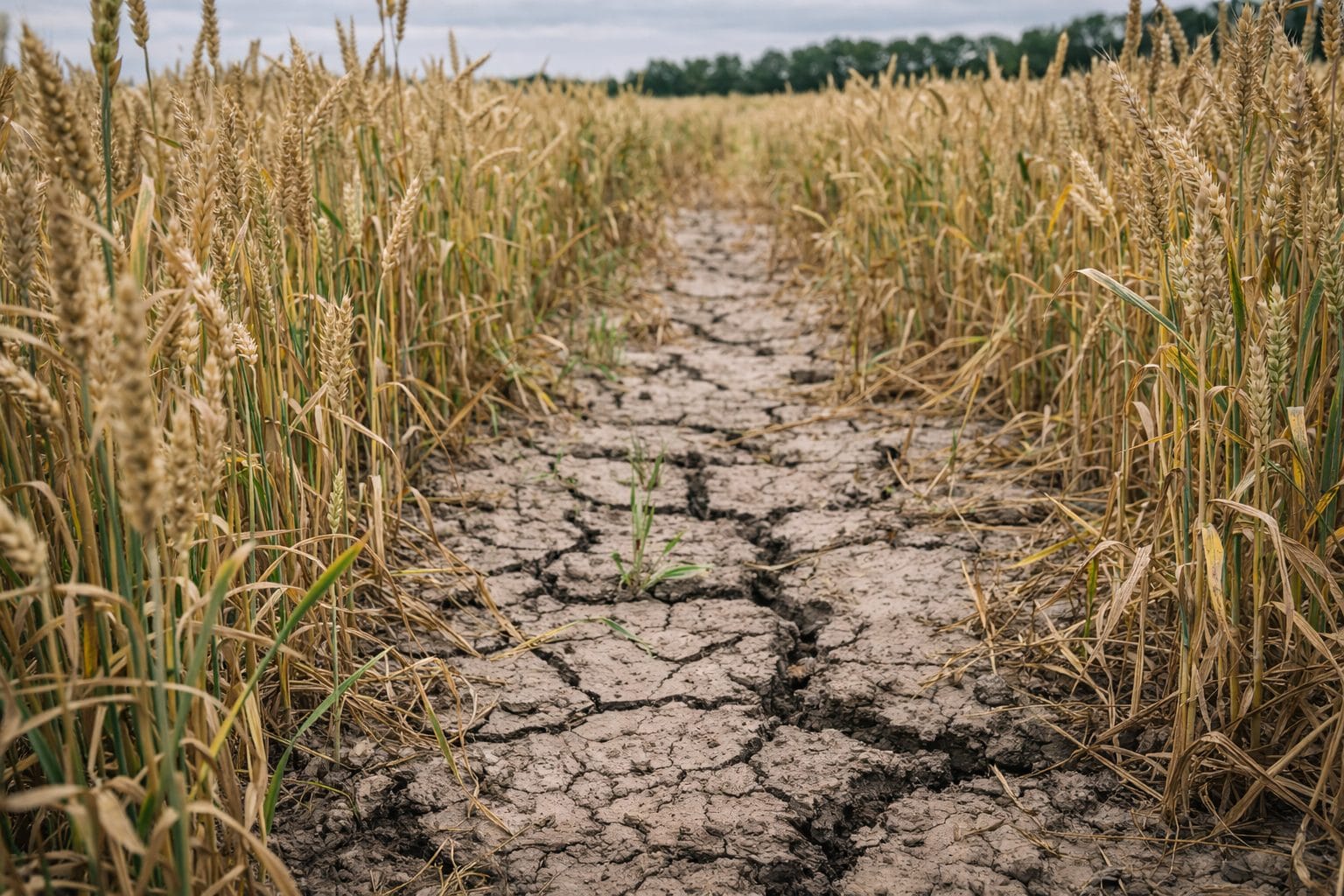
Drought stress trials in wheat often come down to one core question: how efficiently is the plant still exchanging gas as water becomes limiting? The CI-340 Handheld Photosynthesis System is designed for exactly this type of work. In field plots, greenhouses, and controlled environments, the CI-340 Handheld Photosynthesis System gives researchers direct access to photosynthesis,… Continue reading…