Latest photosynthesis
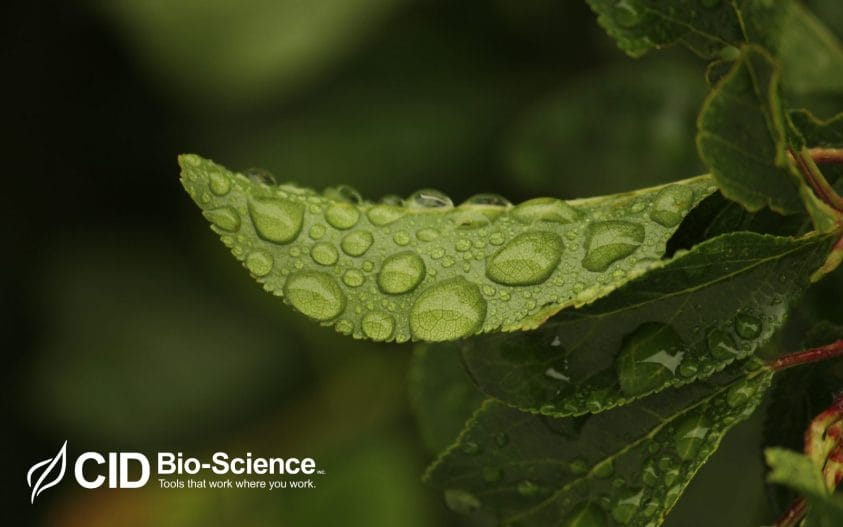
What Is Nitrogen Deposition and How Does It Affect Plants and Biodiversity?
Air pollutants, nitrogen oxides, and ammonia, are leading to increased nitrogen deposition on soil and water. Increased nitrogen deposition is changing soil properties through nitrogen enrichment and acidification. As a result of soil changes and acid rain, plants’ biochemistry, physiology, and morphology are changing. Loss of species and a shift in species composition are negatively… Continue reading…


Additional reading
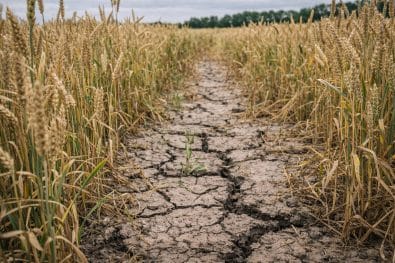
Using the CI‑340 Handheld Photosynthesis System for Drought Stress Trials in Wheat
Drought stress trials in wheat often come down to one core question: how efficiently is the plant still exchanging gas as water becomes limiting? The CI-340 Handheld Photosynthesis System is designed for exactly this type of work. In field plots, greenhouses, and controlled environments, the CI-340 Handheld Photosynthesis System gives researchers direct access to photosynthesis,… Continue reading…
What Are the Causes Behind Global Plant Transpiration Trends?
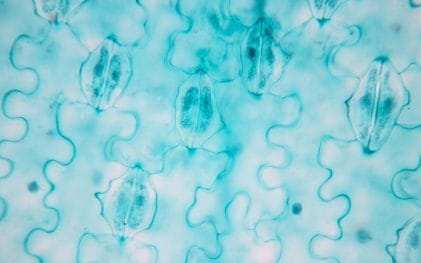
An increase in the rate of transpiration is observed over approximately 70% of the global land surface. The hike in transpiration over the past four decades is due to greener landscapes. The increase in greenery is attributed to a higher Leaf Area Index, driven by carbon fertilization and higher global temperatures. Lower stomatal conductance, due… Continue reading…
Five Ways To Increase Harvest Index
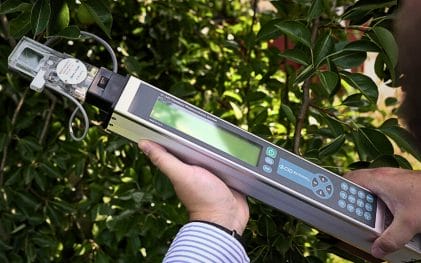
Improving the harvest index is crucial for economic and ecological reasons. The means to increase the harvest index can vary with the crops. Plant breeding is more critical for maize, while irrigation practices are vital for rice. Growth regulators that increase source activity and strengthen sinks are needed in pineapple, while growth retardants to limit… Continue reading…
How Does the Role of Senescence Affect Crop Productivity?
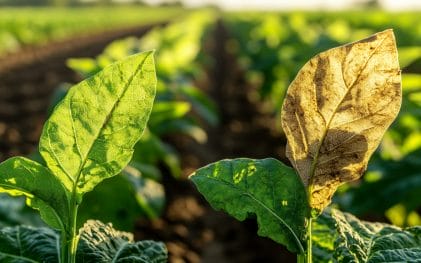
Senescence can determine and increase crop productivity. Selecting for cultivars with delayed senescence improves yield only in some species. Senescence increases plant phenotypic plasticity, helping it to adapt to abiotic stress. Senescence is a significant agricultural trait that affects crop growth, stress adaptation, yield, and postharvest storage. Plants are unusual as they can time senescence… Continue reading…
Understanding Drought Impact on Crop Yield: Stages, Mechanisms, and Adaptations.
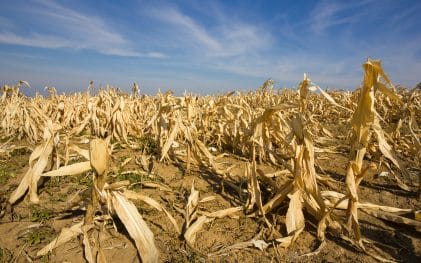
Drought’s impact on crop yield affects plant stages differently, moderated by genotype and external environmental factors. Very early drought can inhibit germination and seedling establishment, reducing stand density and yield. Drought during reproductive and grain filling can reduce yield quantity and quality more than during the growth phases. Drought is the primary environmental stress crop… Continue reading…

Measuring Heat Stress on Forest Trees
The impact of high temperatures directly and alone on trees is significant without the associated drought. Heat effects are recorded at cellular, leaf, and tree levels, inhibiting tree growth and productivity or even mortality. More research is necessary to fully understand the effects of heat stress, which must be supported by on-site, non-destructive data collection… Continue reading…