Instrument Support & Software: Why It Matters More Than Specs

Scott Trimble

January 5, 2026 at 7:56 pm | Updated January 5, 2026 at 7:56 pm | 5 min read
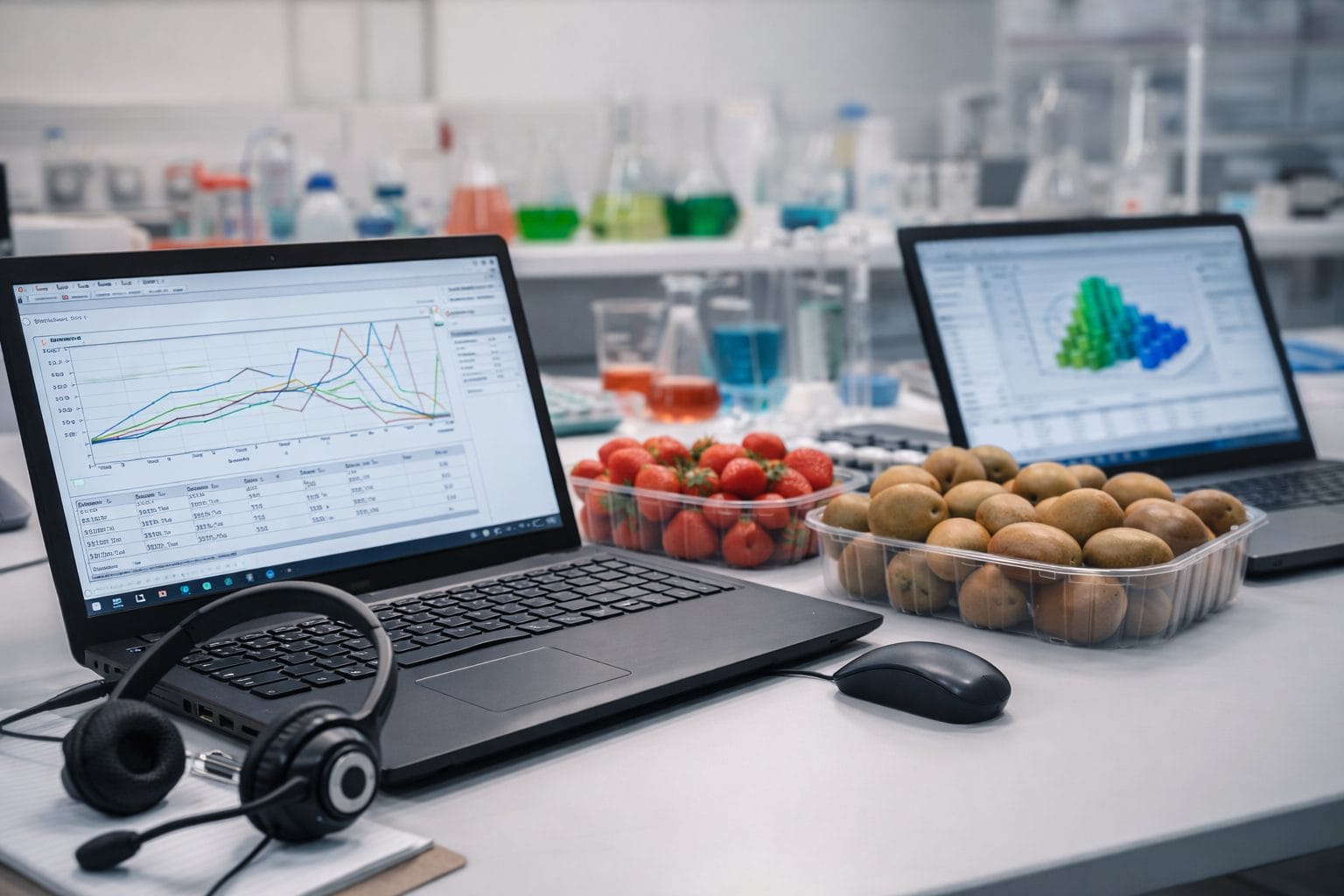
Instrument support and software often get less attention than sensors, optics, or measurement ranges. Yet anyone who spends real time collecting plant data knows that instrument support and software determine whether a tool remains useful long after purchase. Specs help sell an instrument, but support and software decide how smoothly it fits into daily workflows.
For researchers working in plant physiology, agronomy, and ecology, instrument support and software are often the difference between reliable long term data collection and ongoing frustration.
CID Bio-Science has built its instrument portfolio with this reality in mind. Across photosynthesis systems, leaf area meters, canopy imagers, root imagers, and spectrometers, the emphasis goes beyond raw specifications. Instrument support and software are treated as core features rather than afterthoughts.
Subscribe to the CID Bio-Science Weekly article series.
By submitting this form, you are consenting to receive marketing emails from: . You can revoke your consent to receive emails at any time by using the SafeUnsubscribe® link, found at the bottom of every email. Emails are serviced by Constant Contact
Specs Get Attention, Support Earns Trust
Why Specs Dominate Purchasing Decisions
Specifications are easy to compare. Resolution, wavelength range, chamber size, or scan width give a sense of capability at a glance. When evaluating tools like a handheld photosynthesis system or a laser leaf area meter, specs provide reassurance that the instrument can technically perform the measurement.
However, specs alone do not reveal how an instrument behaves in the field, how intuitive it is for new users, or how much effort is required to manage data after collection.
The Hidden Cost of Weak Instrument Support
Instrument support becomes critical once the instrument leaves the brochure and enters real research conditions. Common issues include:
-
Learning curves that slow down new users
-
Software that requires frequent troubleshooting
-
Limited documentation for advanced use cases
-
Long turnaround times for service or calibration
These issues rarely appear in spec sheets, but they directly affect productivity. Strong instrument support reduces downtime and allows researchers to focus on experiments rather than equipment.
Software Is Where Data Becomes Useful
Field Software vs Post Processing Software
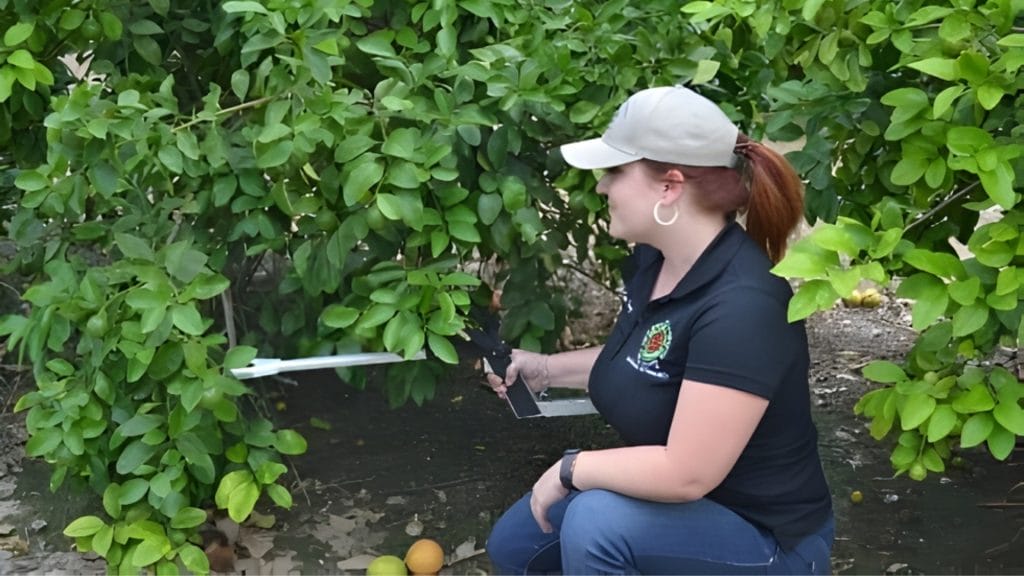
Modern plant science instruments generate large volumes of data. Instrument software determines how easily that data can be reviewed, validated, and exported. CID Bio-Science instruments are designed with onboard software that supports real time visualization and verification in the field.
For example, seeing leaf outlines immediately after scanning or reviewing gas exchange parameters on screen allows users to catch errors early. This approach minimizes the need to repeat measurements later.
Consistent Software Across Instruments
Another advantage of a strong software ecosystem is consistency. When software behavior is similar across instruments, training time drops significantly. Researchers using multiple CID Bio-Science tools benefit from familiar menus, data structures, and export formats.
This consistency matters in shared labs and long term projects where instruments are passed between students, technicians, and senior researchers.
Data Ownership and Flexibility
Instrument support and software also influence how freely users can access their own data. CID Bio-Science emphasizes local data storage and standard export formats. Data can be transferred via USB or SD card without proprietary cloud lock ins.
This approach aligns well with academic and government research environments where long term data access and transparency are required.
Instrument Support in Real Research Scenarios
Supporting Diverse Measurement Needs
Plant research rarely follows a single template. A photosynthesis system may be used on broad leaves one day and conifer needles the next. A leaf area meter may need to handle flat samples in the lab and curled leaves in the field.
CID Bio-Science instruments are supported with modular designs, interchangeable chambers, and accessories that adapt to these scenarios. Instrument support extends to helping users select configurations that match their specific study design.
Documentation That Reflects Real Use
Manuals and application resources are most helpful when they reflect how instruments are actually used. CID Bio-Science documentation focuses on practical workflows rather than generic instructions.
Examples include guidance on:
-
Optimizing measurements under variable light conditions
-
Managing field data across multiple locations
-
Pairing physiological measurements with structural traits
This level of detail supports both new users and experienced researchers exploring advanced applications.
Long Term Serviceability
Plant science projects often span multiple seasons or years. Instrument support must account for long term use rather than short deployment cycles. CID Bio-Science designs instruments with durability in mind and supports them with repair services, replacement parts, and responsive technical assistance. This reduces the risk of instruments becoming obsolete due to minor failures or unsupported components.
Software and Support Across the CID Bio-Science Portfolio
Photosynthesis and Gas Exchange Systems
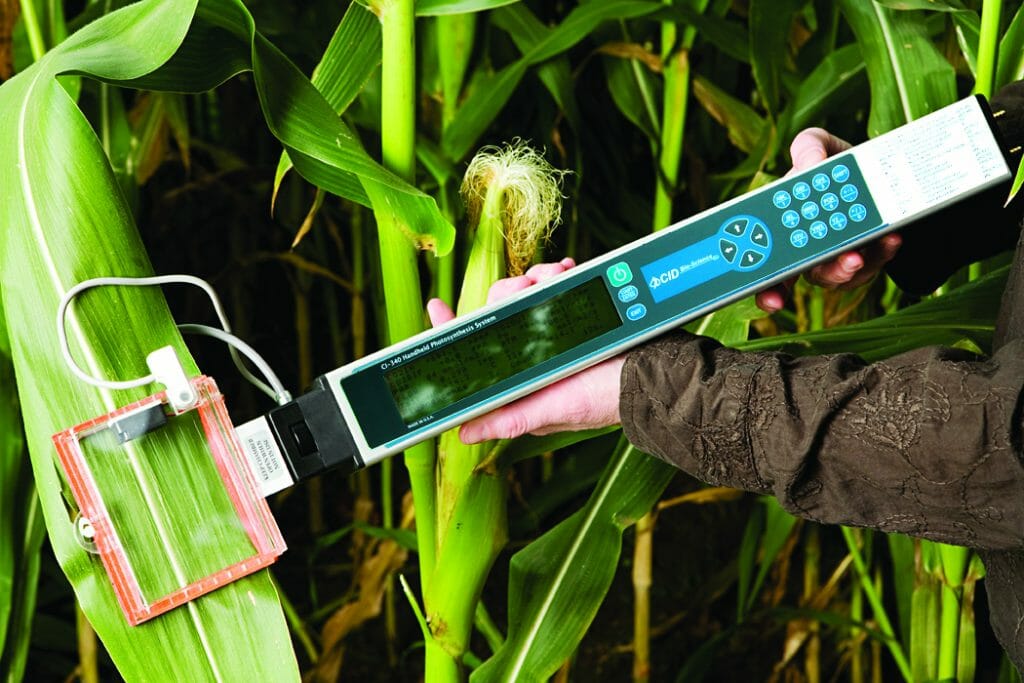
Handheld photosynthesis systems rely heavily on software to manage complex variables like CO2, water vapor, temperature, and light. CID Bio-Science software simplifies this complexity with clear displays and modular control options. Instrument support helps users configure systems for open or closed measurements and integrate optional modules without extensive retraining.
Leaf Area and Canopy Analysis Tools
Laser leaf area meters and canopy imagers generate visual data that must be verified quickly. Software that displays outlines, canopy images, and calculated indices in real time helps ensure measurement quality. Support resources guide users in selecting thresholds, interpreting indices, and standardizing measurements across sites.
Root Imaging and Spectroscopy
Root imaging and leaf spectroscopy introduce additional data complexity. Instrument support and software play a major role in helping users manage image analysis, spectral indices, and long term datasets. CID Bio-Science provides onboard analysis tools while also supporting export for advanced statistical or chemometric workflows.
Why Instrument Support & Software Matter More Over Time
Instruments Outlive Their Original Users
Graduate students graduate. Staff change roles. Instruments remain. Strong instrument support and software ensure continuity when users change. Clear interfaces, stable software, and accessible documentation reduce institutional knowledge loss.
Research Questions Evolve
Specs describe what an instrument can do today. Instrument support and software influence what it can do tomorrow. Firmware updates, software enhancements, and responsive support allow instruments to adapt as research questions evolve.
Productivity Compounds
Time saved through intuitive software and reliable support compounds over long projects. Fewer repeated measurements, faster training, and smoother data handling all contribute to higher quality outcomes.
Conclusion: Choosing More Than a Spec Sheet
When evaluating plant science instruments, it is tempting to focus on specifications alone. Yet instrument support and software determine whether those specs translate into reliable, efficient research.
CID Bio-Science builds instruments with the understanding that support and software are not secondary features. They are integral to how researchers collect, manage, and trust their data. From handheld photosynthesis systems to spectroscopy and imaging tools, the emphasis remains on usability, longevity, and real world research needs.
If you are planning to invest in new plant science instrumentation, consider not only what the instrument measures, but how it will support your work over time. Explore the full CID Bio-Science portfolio and talk with our team about instrument support and software designed for long term research success.
Frequently Asked Questions
How Does Instrument Support Affect Data Quality?
Strong instrument support helps users configure instruments correctly, troubleshoot issues early, and apply best practices. This reduces measurement errors and improves consistency across datasets.
Can CID Bio-Science Software Integrate With External Analysis Tools?
Yes. CID Bio-Science instruments allow data export in standard formats, making it easy to use external statistical, imaging, or chemometric software.
What Kind of Long Term Support Does CID Bio-Science Provide?
CID Bio-Science offers documentation, technical assistance, service options, and software support to ensure instruments remain functional and relevant throughout multi year research projects.
Related Products
Most Popular Articles
- Transpiration in Plants: Its Importance and Applications
- Leaf Area – How & Why Measuring Leaf Area…
- How to Analyze Photosynthesis in Plants: Methods and Tools
- Plant Respiration: Its Importance and Applications
- The Forest Canopy: Structure, Roles & Measurement
- Stomatal Conductance: Functions, Measurement, and…
- Forest & Plant Canopy Analysis – Tools…
- Root Respiration: Importance and Applications
- The Importance of Leaf Area Index (LAI) in…
- 50 Best Universities for Plant Science