Do I Need a Laptop to Operate the CI‑110?

Scott Trimble

April 9, 2026 at 6:46 pm | Updated April 14, 2026 at 2:50 am | 5 min read
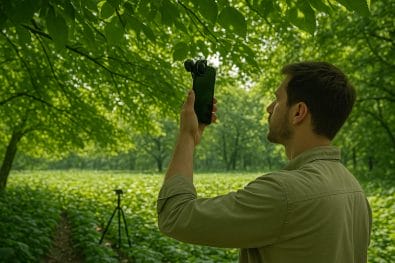
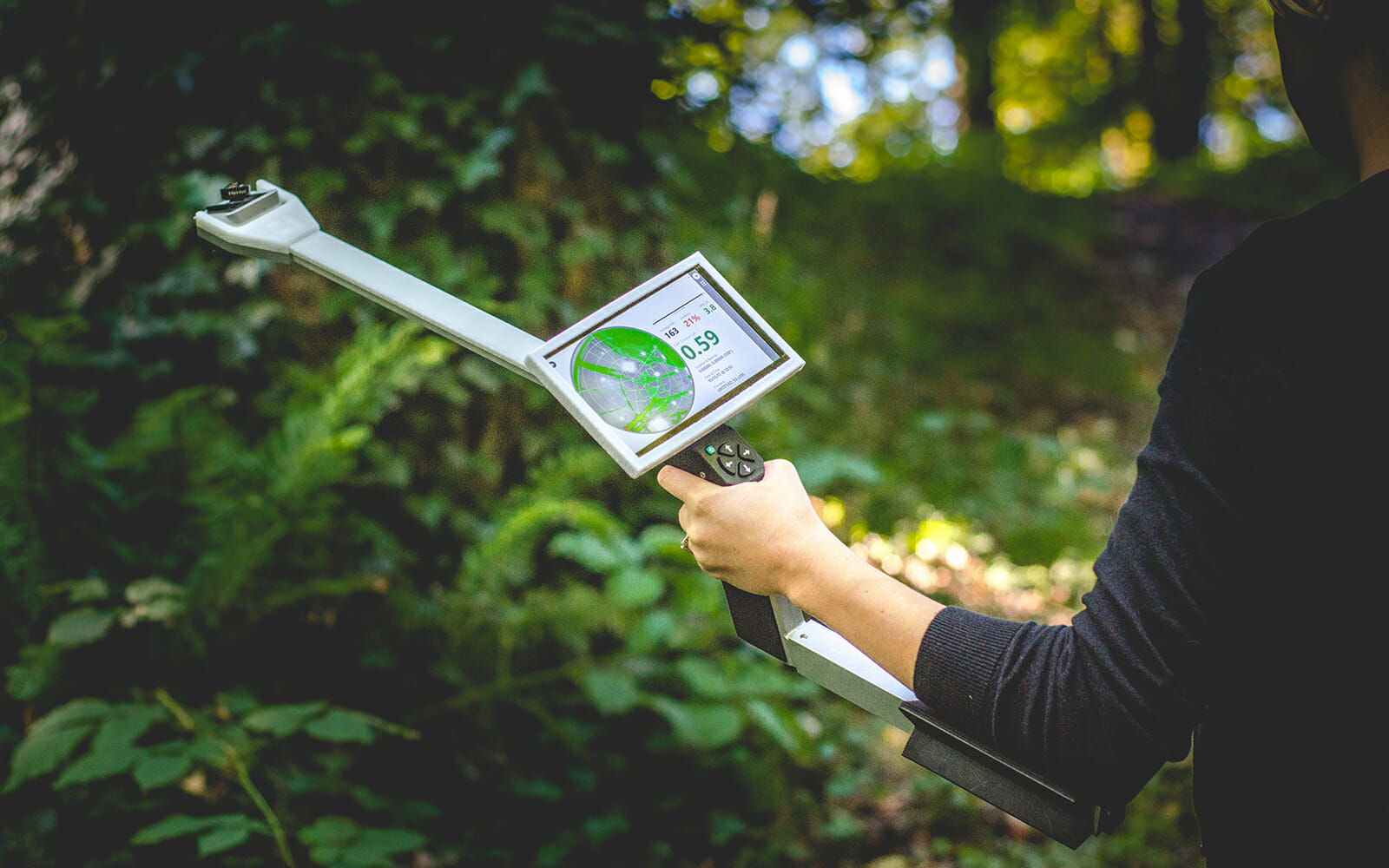
If you are wondering, “do I need a laptop to operate the CI-110,” the practical answer is no. The CI-110 Plant Canopy Imager is designed to work as a self-contained field instrument, which is a big deal when you are collecting canopy data outside the lab. Instead of building your workflow around a separate computer, the CI-110 combines image capture, onboard analysis, PAR measurement, GPS location data, and a built-in touch screen in one portable unit. That means you can collect and review measurements in the field without carrying a laptop from plot to plot.
The short answer
You do not need a laptop to operate the CI-110 during normal field use. The instrument includes:
-
a 7-inch capacitive touch screen
Subscribe to receive our monthly round-up of articles.
Loading the form... -
a self-leveling digital camera
-
onboard data capture and analysis
-
visible in-field image and data review
-
internal GPS support across multiple satellite constellations
-
integrated PAR sensing with 24 photodiodes
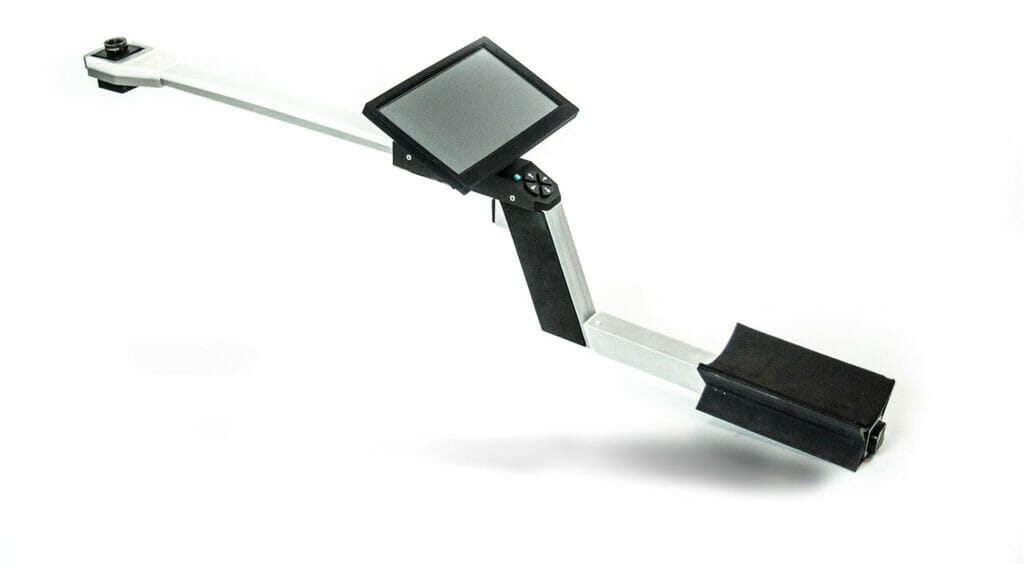
Those features matter because they remove the usual dependence on an external computer for setup, acquisition, and immediate review. According to the CI-110 brochure, images and data are visible in the field and saved for further analysis, which tells you the unit is built to function independently during data collection.
Why this matters in real fieldwork
A lot of canopy measurement work happens in places where laptops are more of a burden than a help. You may be moving through orchards, greenhouse bays, forest understories, breeding plots, or restoration sites. In those conditions, every extra piece of gear slows you down.
That is where the CI-110 makes a strong case for itself. CID Bio-Science designed it around actual field use, not around a lab bench workflow. The instrument captures 150-degree canopy images, estimates Leaf Area Index, measures PAR, and lets users apply thresholding and angle selections directly on the unit. You are not forced to stop and connect to a separate machine just to verify whether your measurement worked.
For researchers who value speed and consistency, that self-contained approach is more than a convenience. It reduces setup friction, lowers the chance of connection issues in the field, and makes it easier to standardize data collection across multiple users.
What the CI-110 can do on its own
To answer “do I need a laptop to operate the CI-110” clearly, it helps to break down what the instrument already handles by itself.
1. Image capture
The CI-110 uses a self-leveling digital camera with a 150-degree field of view to capture hemispherical canopy images. That gives users the raw visual basis for canopy analysis without needing a separate imaging system.
2. LAI measurement
The brochure states that the CI-110 can non-destructively calculate Leaf Area Index using either images or PAR sensors. That means the instrument is doing more than collecting raw files. It is built to support actual measurement workflows in the field.
3. PAR and sunfleck analysis
The 24 photodiodes in the instrument arm measure photosynthetically active radiation and can also be used to calculate sunflecks. This gives users a second route for canopy-related assessment without adding extra hardware.
4. On-screen review and settings
The 7-inch capacitive touch screen is one of the clearest signs that the CI-110 is meant to run without a laptop. Users can interact with settings, review data, and work directly from the instrument interface in the field.
5. Location and orientation data
The CI-110 includes location support via GPS, GLONASS, BeiDou, and Galileo, plus an internal compass for standardizing measurements across locations. Again, this is the kind of integration that cuts down on the need for external devices.
When a laptop might still be useful
Even though you do not need a laptop to operate the CI-110, there are still situations where a computer can be helpful later in the workflow.
For example:
-
organizing large datasets after field collection
-
archiving images across projects or seasons
-
sharing files with collaborators
-
performing additional analysis or reporting outside the instrument
That is different from saying a laptop is required for operation. In practice, the laptop becomes an optional post-collection tool, not a necessary part of day-to-day use in the field.
This distinction matters. Instruments that require a laptop just to function often complicate field logistics. Instruments like the CI-110, which are designed to collect, display, and save data on their own, are easier to deploy in real research settings.
A field-first design is part of the value
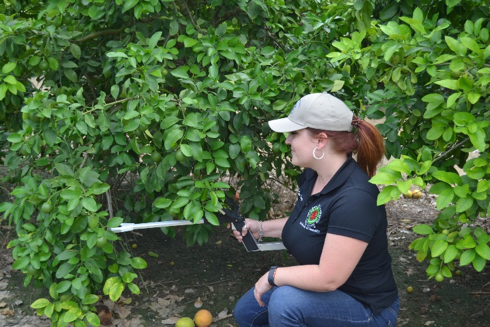
CID Bio-Science tends to build portable instruments that are meant to work where researchers actually measure plants. You can see that same design thinking across the product line.
The CI-202 is described as a self-contained instrument with a built-in data logger and LCD display, and the CI-203 emphasizes one-touch operation with onboard storage. In other words, the CI-110 fits into a broader CID approach that prioritizes portable, independent measurement tools instead of forcing users into computer-tethered workflows.
That is one reason the answer to “do I need a laptop to operate the CI-110” is so straightforward. CID Bio-Science has clearly engineered the instrument to minimize extra hardware in the field.
What this means for researchers
For most users, the no-laptop operation of the CI-110 translates into a few practical benefits:
-
Less gear to carry between sampling points
-
Faster startup in field conditions
-
Easier training for new users
-
Fewer cable and connection issues
-
Immediate confirmation that images and data were captured correctly
Those benefits may sound simple, but they add up quickly during long sampling days. In canopy work, efficiency often comes from reducing interruptions. The CI-110 supports that by combining camera, PAR sensing, LAI calculation, GPS, filters, and interface controls in a single instrument.
So, do I need a laptop to operate the CI-110?
No, you do not need a laptop to operate the CI-110. The instrument is built for standalone use, with an onboard touch screen, integrated image capture, PAR sensing, in-field data visibility, saved measurements, and built-in location tools. A laptop may still be useful later for data management or extended analysis, but it is not a requirement for collecting canopy measurements with the CI-110.
For researchers who want a cleaner field workflow, that is one of the most practical advantages of the system. The CI-110 is built to help you measure now, not troubleshoot connections first.
Learn more from CID Bio-Science
If you are evaluating canopy analysis tools and want an instrument that can work independently in the field, the CI-110 is worth a closer look. CID Bio-Science designs tools around practical plant research workflows, with an emphasis on portability, direct measurement, and useful onboard functionality. Explore the CI-110 and connect with CID Bio-Science to see how it fits your canopy research program.
Related Products
Most Popular Articles
- Transpiration in Plants: Its Importance and Applications
- Leaf Area – How & Why Measuring Leaf Area…
- How to Analyze Photosynthesis in Plants: Methods and Tools
- Plant Respiration: Its Importance and Applications
- The Forest Canopy: Structure, Roles & Measurement
- Stomatal Conductance: Functions, Measurement, and…
- Forest & Plant Canopy Analysis – Tools…
- Root Respiration: Importance and Applications
- 50 Best Universities for Plant Science
- The Importance of Leaf Area Index (LAI) in…