Greenhouse vs Open Field Instrument Selection: Special Considerations

Scott Trimble

January 6, 2026 at 5:53 pm | Updated January 6, 2026 at 5:53 pm | 5 min read
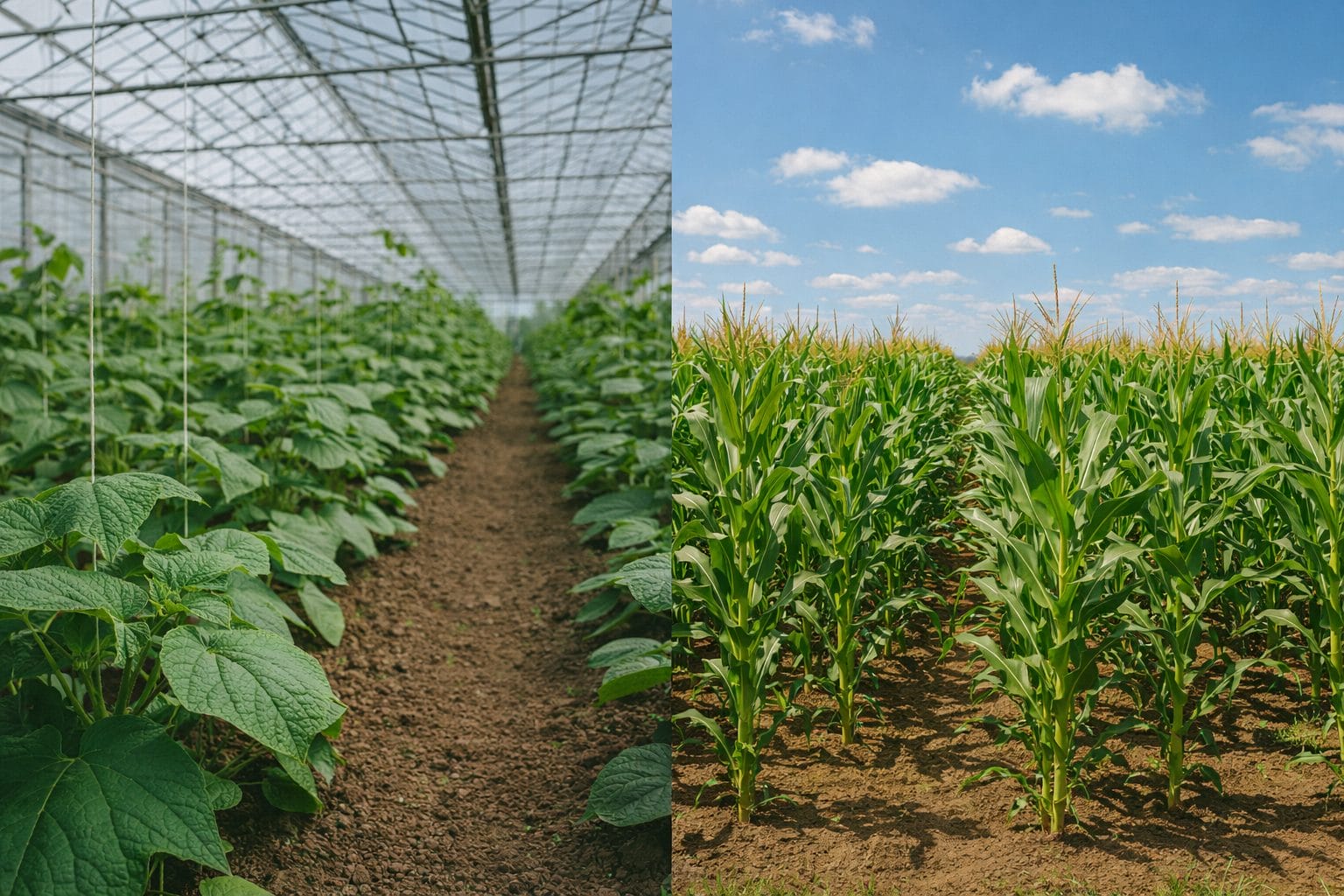
Greenhouse vs open field instrument selection is not just a question of portability versus permanence. It shapes the type of data you collect, how repeatable that data is, and how confidently you can interpret plant responses. Controlled environments and open systems introduce very different constraints around light, temperature, airflow, space, and sampling frequency. Selecting instruments that work with those constraints instead of against them is critical for efficient research workflows and reliable results.
This article walks through the special considerations that matter most when choosing plant measurement tools for greenhouse and open field work, with practical examples drawn from commonly used research instruments.
Environmental Control Versus Environmental Variability
The biggest distinction in greenhouse vs open field instrument selection is the level of environmental control.
Subscribe to receive our monthly round-up of articles.
In a greenhouse, light intensity, temperature, humidity, and CO2 are often regulated. This favors instruments that can detect subtle physiological differences because background noise is minimized. Measurements can be repeated frequently on the same plants, sometimes multiple times per day.
In the open field, variability is unavoidable. Wind, changing solar angles, cloud cover, and soil heterogeneity all influence measurements. Instruments used outdoors must tolerate these conditions while still delivering stable data.
This difference has direct implications for gas exchange, canopy analysis, leaf area measurement, root imaging, and spectral data collection.
Photosynthesis Measurement Considerations
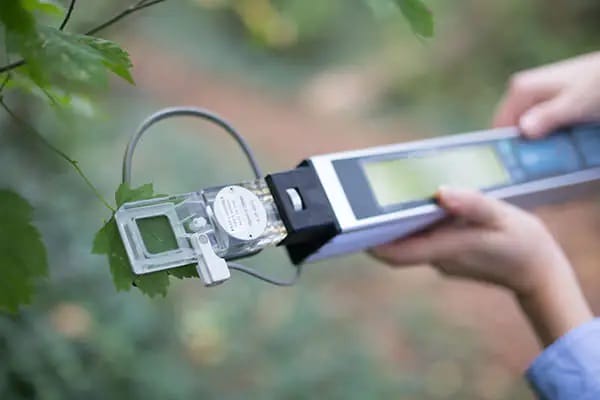
Gas exchange measurements are a clear example of how greenhouse vs open field instrument selection affects study design.
In a greenhouse, compact systems that allow tight control over CO2, light, and temperature are especially valuable. A handheld photosynthesis system with interchangeable chambers and optional control modules allows researchers to standardize conditions across treatments and isolate physiological responses. The ability to manipulate CO2, humidity, temperature, and light inside the chamber makes it easier to generate light response curves or temperature response data without external interference.
In the field, portability and speed become more important. A lightweight handheld system that minimizes measurement delay and stabilizes analyzers quickly allows researchers to collect data across many plants before environmental conditions shift. Interchangeable chambers are still important outdoors, particularly when working with mixed species or unusual leaf morphologies.
Leaf Area Measurement in Confined Versus Open Spaces
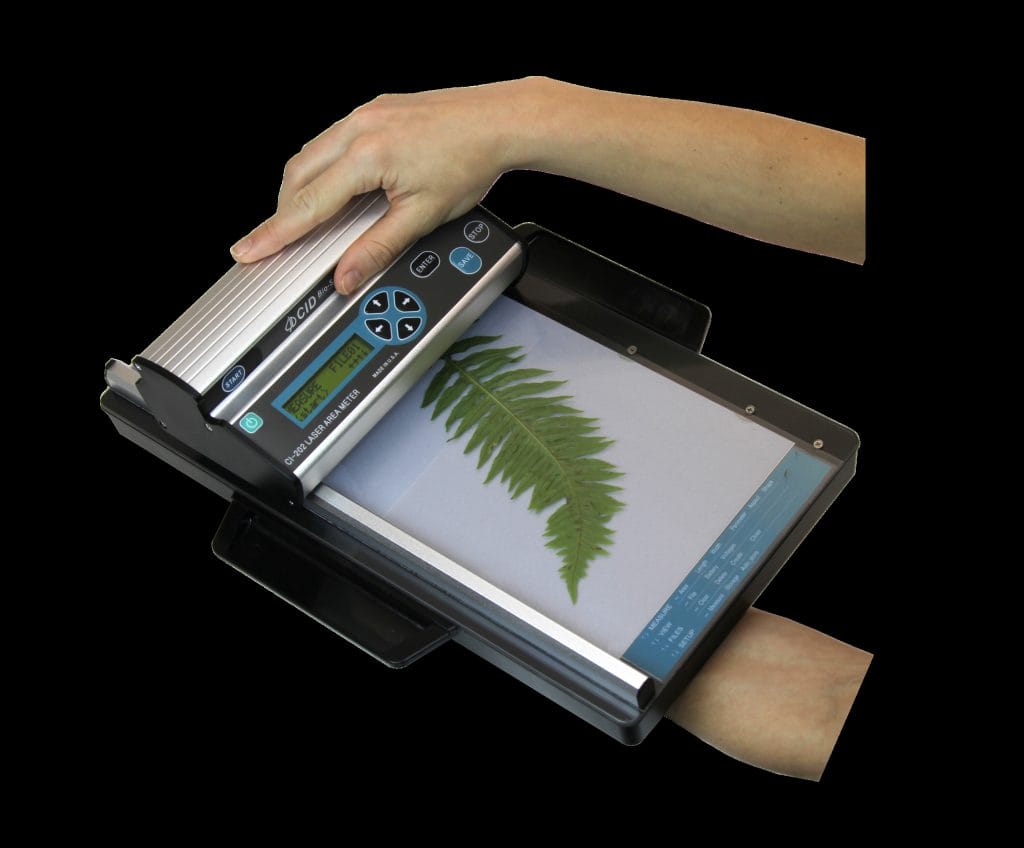
Leaf area data underpins many physiological and ecological analyses, but the setting strongly influences how measurements are taken.
In greenhouse studies, leaves are often measured repeatedly on living plants. Non-destructive laser leaf area meters allow researchers to track growth over time without removing tissue. Single-handed operation and immediate visual verification of scans make these tools well suited for bench work or dense greenhouse layouts where space is limited.
For open field work, durability and independence from external power sources are key. Portable laser leaf area meters that store thousands of measurements internally allow long sampling days without data loss. These instruments flatten curled leaves and handle a wide range of leaf types, from broad leaves to needles, which is critical when working across diverse field plots.
When considering greenhouse vs open field instrument selection, think about whether leaves will be attached or detached, how many samples you expect per day, and how much post-processing time you can afford.
Canopy Measurements and Light Environment
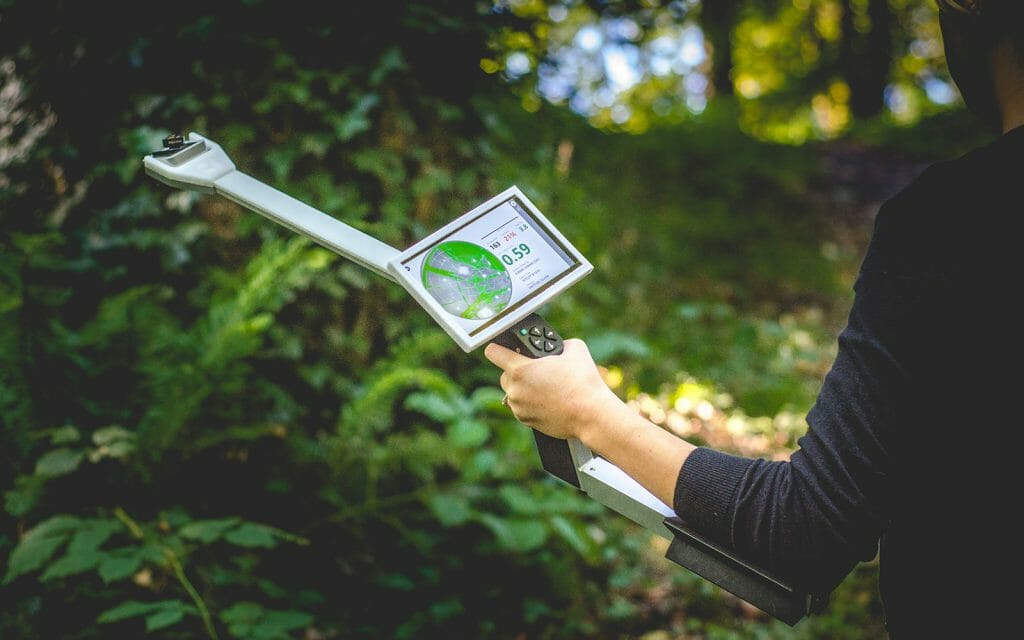
Canopy structure and light interception are measured very differently in controlled and open environments.
In greenhouses, canopy height is often uniform, and artificial lighting may be used. Instruments that combine hemispherical imaging with PAR sensors allow researchers to assess leaf area index and radiation distribution without needing above-canopy reference measurements. This simplifies repeated measurements in fixed locations and supports experiments focused on plant density or pruning effects.
In open fields, canopy measurements must adapt to uneven terrain and changing sky conditions. A self-leveling canopy imager that performs under any daylight condition reduces operator error and increases consistency across sites. GPS tagging and internal compasses are particularly useful outdoors for standardizing measurements across time and space.
These features highlight how greenhouse vs open field instrument selection often comes down to how much automation is needed to compensate for environmental complexity.
Root Observation Belowground
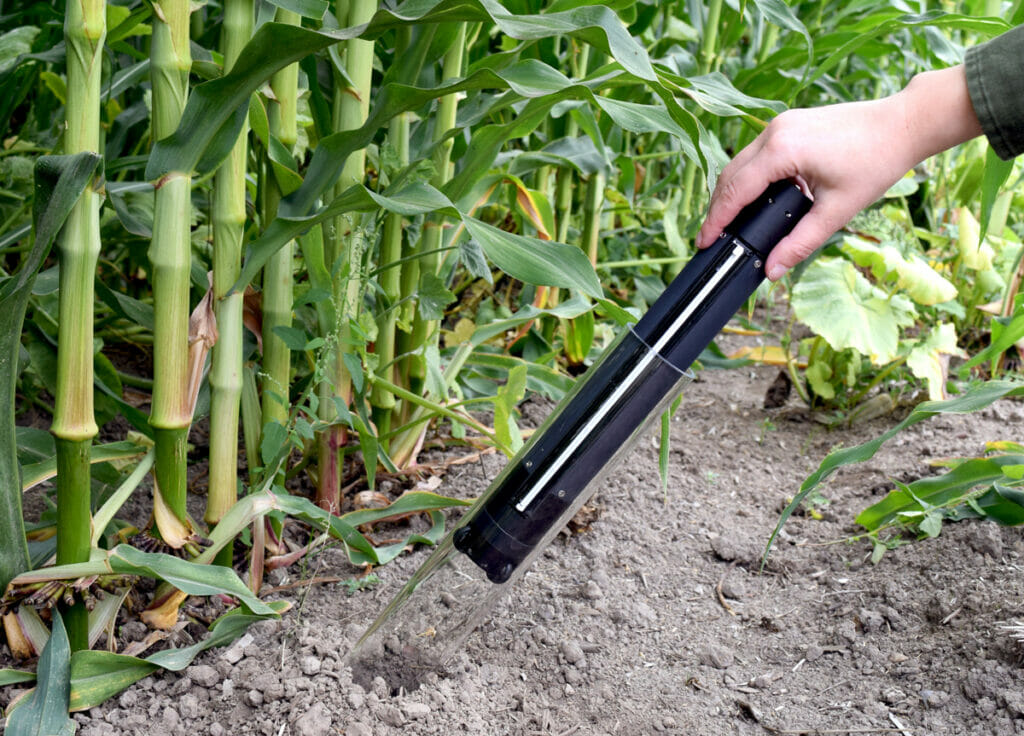
Root measurement presents unique challenges in both settings.
Greenhouse studies often emphasize high temporal resolution. Researchers may want to observe root initiation, elongation, and turnover under specific treatments. In situ root imaging systems allow repeated observation through transparent tubes without disturbing the soil profile. This supports controlled experiments where root responses are linked directly to known environmental variables.
In the open field, access and durability are the dominant concerns. Narrow gauge root imagers are better suited for long-term installation in field plots where space is limited and soil conditions vary. The ability to return to the same root window over months or seasons is essential for ecological and agronomic studies.
When thinking about greenhouse vs open field instrument selection for roots, consider installation logistics, sampling frequency, and how long the study will run.
Spectral Measurements Across Environments
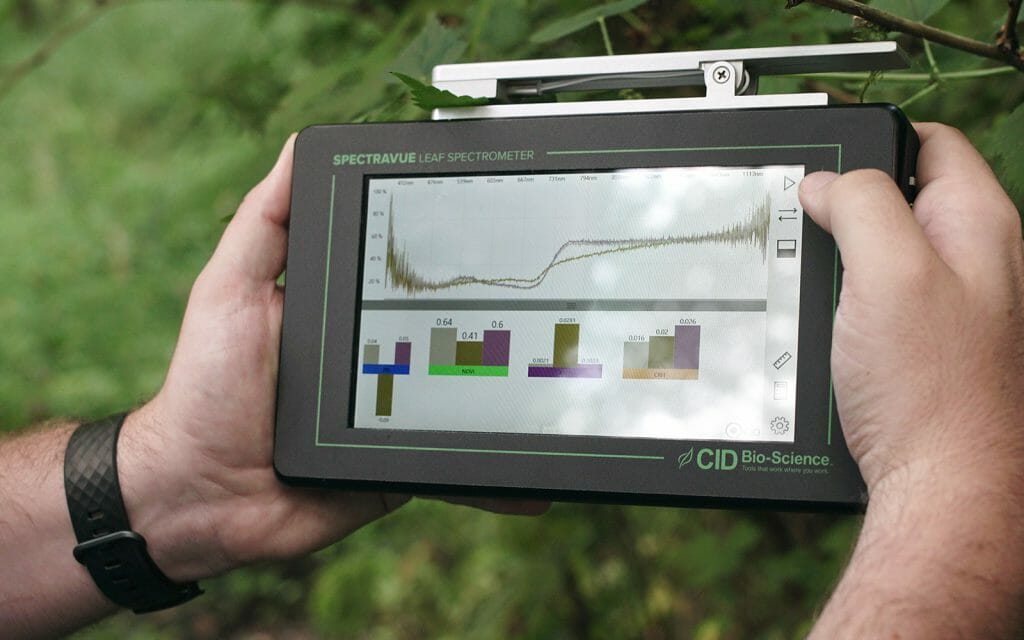
Leaf spectroscopy is increasingly used to assess stress, pigment content, and nutrient status.
In a greenhouse, stable lighting conditions make it easier to build spectral libraries and calibrate indices. A handheld leaf spectrometer with onboard analysis allows rapid screening of treatments without removing leaves. This is particularly useful in high-throughput experiments where dozens or hundreds of plants are monitored .
In the field, spectral instruments must handle variable illumination and temperature extremes. Portability, battery life, and real-time data visualization become critical. GPS-enabled spectrometers help link spectral data to spatial patterns across plots or landscapes.
Across both settings, greenhouse vs open field instrument selection should account for whether raw spectra or processed indices are needed and how data will integrate with other measurements.
Data Management and Workflow Efficiency
One often overlooked factor in greenhouse vs open field instrument selection is data handling.
Greenhouse experiments tend to generate frequent, repeated measurements on the same individuals. Instruments with large internal storage, clear visual interfaces, and easy data export streamline daily workflows.
Field campaigns prioritize reliability and speed. Instruments must store large datasets without interruption and support quick downloads once researchers return from the field.
Choosing tools that align with your data pipeline reduces errors and saves time during analysis.
Takeaway
Greenhouse vs open field instrument selection is ultimately about matching tools to research realities. Controlled environments reward precision and modular control, while open systems demand durability, portability, and automation. CID Bio-Science designs instruments with both settings in mind, offering flexible solutions that adapt to changing research needs rather than forcing compromises.
If you are planning new experiments or upgrading your measurement toolkit, explore CID Bio-Science’s full line of plant research instruments. Our tools are built to support rigorous data collection in both greenhouses and open fields, helping you move confidently from hypothesis to insight.
Frequently Asked Questions
What Is the Main Difference in Instrument Needs Between Greenhouse and Field Studies?
Greenhouse studies benefit from instruments that emphasize precision and environmental control, while field studies require rugged, portable tools that perform reliably under variable conditions.
Can the Same Instrument Be Used in Both Environments?
Many handheld instruments from CID Bio-Science are designed for both greenhouse and field use, especially those that are lightweight, battery-powered, and non-destructive.
How Should Data Collection Frequency Influence Instrument Choice?
High-frequency measurements favor instruments with fast setup and large internal storage, while lower-frequency field campaigns prioritize durability and ease of transport.
Related Products
Most Popular Articles
- Transpiration in Plants: Its Importance and Applications
- Leaf Area – How & Why Measuring Leaf Area…
- How to Analyze Photosynthesis in Plants: Methods and Tools
- Plant Respiration: Its Importance and Applications
- The Forest Canopy: Structure, Roles & Measurement
- Stomatal Conductance: Functions, Measurement, and…
- Forest & Plant Canopy Analysis – Tools…
- Root Respiration: Importance and Applications
- 50 Best Universities for Plant Science
- The Importance of Leaf Area Index (LAI) in…