How Many Measurements Do You Really Need? Sizing Your Instrument Investment

Scott Trimble

January 5, 2026 at 7:56 pm | Updated January 5, 2026 at 7:56 pm | 5 min read
When research budgets tighten, one question comes up fast: how many measurements do you really need to answer your research question, and how does that shape your instrument investment strategy.
Instrument investment decisions often hinge on projected sample size, but experienced researchers know that measurement volume is only part of the equation when building a sound instrument investment strategy.
In plant science, overbuying instrumentation can be just as limiting as underbuying. Too much complexity slows fieldwork. Too little capability forces compromises in experimental design. The goal is to build an instrument investment strategy that scales with your data requirements without creating bottlenecks.
Subscribe to the CID Bio-Science Weekly article series.
By submitting this form, you are consenting to receive marketing emails from: . You can revoke your consent to receive emails at any time by using the SafeUnsubscribe® link, found at the bottom of every email. Emails are serviced by Constant Contact
Start With the Biological Question, Not the Instrument
Before comparing specifications or price points, step back and define the resolution your research actually requires.
Ask yourself a few practical questions:
-
How variable is the trait you are measuring
-
How often do you need to repeat measurements over time
-
Are you sampling many individuals once, or fewer individuals repeatedly
-
Will measurements happen primarily in the field, the lab, or both
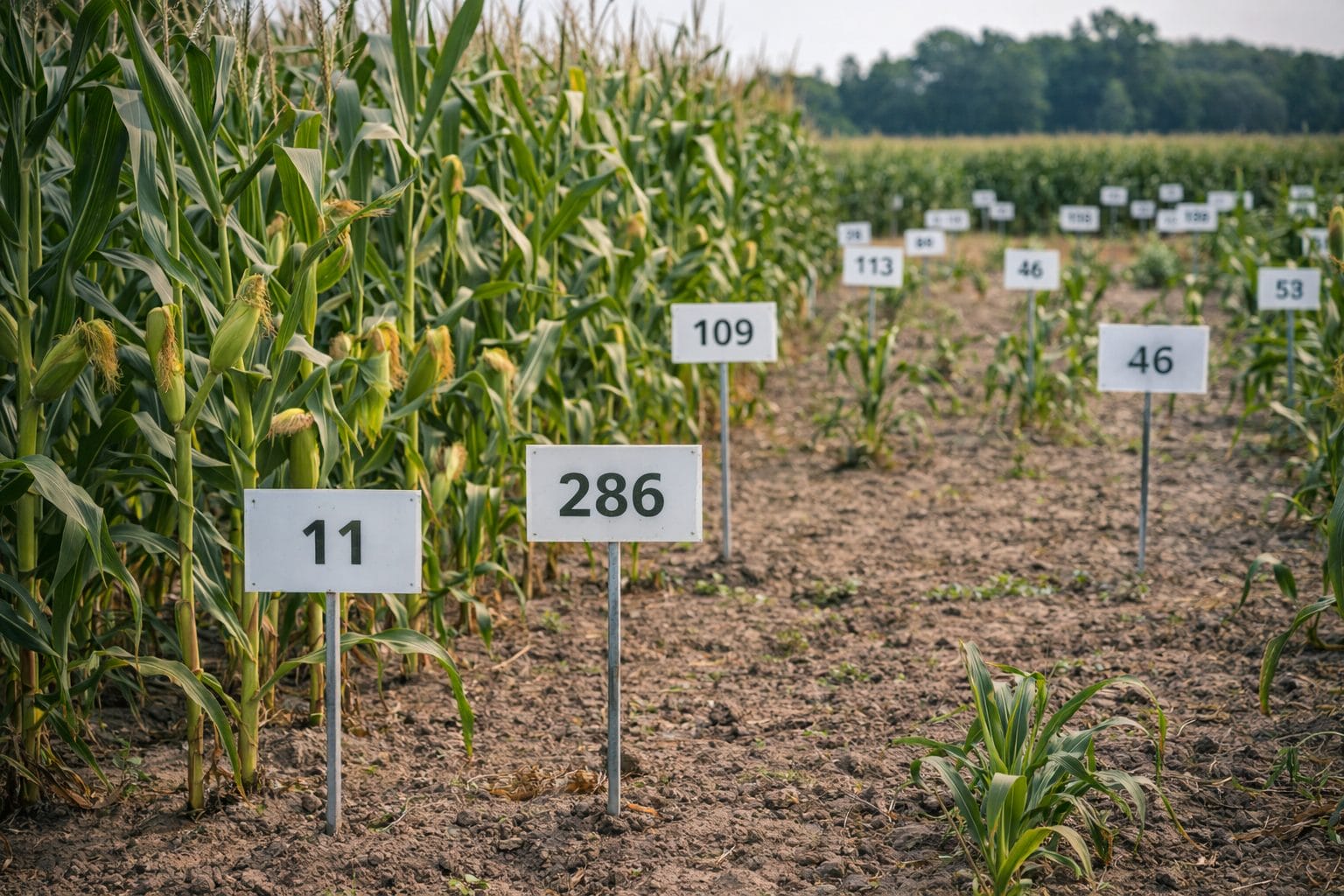
A physiology study tracking daily gas exchange across a growing season has very different needs than a phenotyping project capturing leaf area across hundreds of plants at a single time point. Instrument investment strategy starts here, not on a product page.
Throughput Matters More Than Raw Measurement Count
Many researchers overestimate the importance of total measurements and underestimate throughput. Throughput is how quickly you can collect reliable data without sacrificing consistency.
For example, handheld tools designed for single-operator use allow researchers to maintain momentum in the field. This directly affects how many replicates you can realistically collect in a day.
Instruments that require frequent recalibration, complex setup, or multi-person operation may look powerful on paper but limit actual sample size.
CID Bio-Science has focused heavily on portable, single-handed instruments that emphasize speed and repeatability. That design philosophy allows researchers to expand datasets organically as projects evolve rather than locking into rigid measurement schedules.
Leaf Area as a Case Study in Scaling Measurements
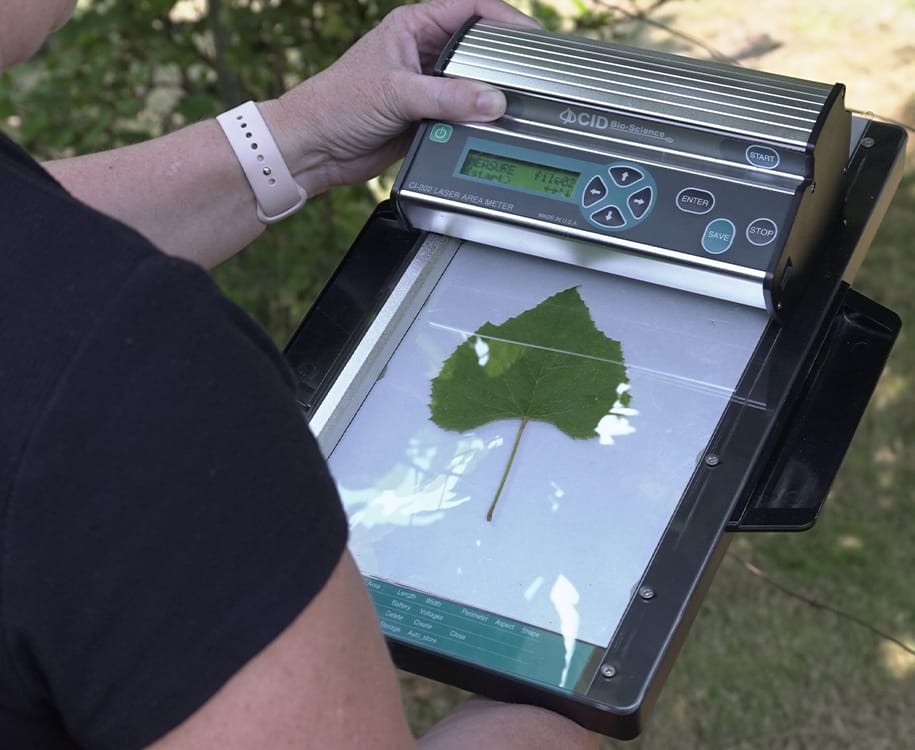
Leaf area is a good example of how measurement needs scale unpredictably. Early-stage trials may require only dozens of samples. Later, once variability becomes clear, hundreds or thousands of leaves may be needed.
Laser-based leaf area meters allow non-destructive measurements directly in the field. Because there is no sample preparation and no consumables, researchers can increase measurement volume without adding logistical overhead. This flexibility is central to a smart instrument investment strategy.
Matching Instruments to Measurement Frequency
Another common mistake is buying instruments optimized for occasional use when the project demands repeated measurements, or vice versa.
Consider three common measurement patterns:
-
High frequency, low sample count
-
Low frequency, high sample count
-
High frequency, high sample count
Photosynthesis measurements often fall into the first category. Canopy structure assessments may fall into the second. Stress monitoring using spectral data can fall into the third.
CID Bio-Science instruments are designed to support these patterns without forcing researchers into tradeoffs. Modular accessories and interchangeable components allow the same core system to adapt as measurement frequency changes.
Field Efficiency Reduces Total Cost More Than Purchase Price
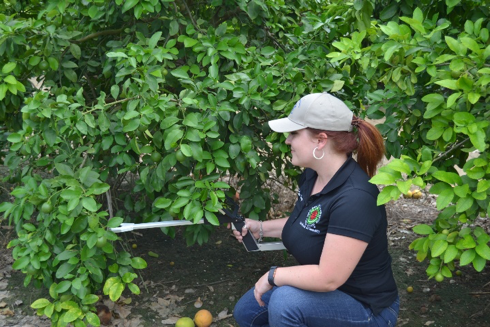
Instrument investment strategy should account for the hidden costs of inefficiency. Time lost to setup, calibration, or data transfer adds up quickly across a season.
Portable instruments that store large datasets internally and export data digitally reduce transcription errors and post-processing time. GPS tagging and onboard displays allow immediate verification, preventing costly resampling trips.
CID Bio-Science instruments are built around this reality. Researchers can verify scans, spectra, or gas exchange readings immediately and move on. That efficiency often offsets higher upfront costs compared to less integrated systems.
Data Quality Reduces the Need for Oversampling
Another overlooked factor is data quality. Poor precision forces researchers to collect more samples to achieve statistical confidence.
High-resolution sensors, stable analyzers, and consistent measurement geometry all reduce noise. When each data point carries more information, fewer total measurements are required. This directly influences how large an instrument investment needs to be.
Instead of buying multiple lower-quality tools to increase volume, many labs find better results investing in fewer, more reliable instruments that deliver cleaner data.
Scaling From Pilot Studies to Long-Term Projects
Many research programs start small and expand quickly once initial results are promising. Instrument investment strategy should anticipate that growth.
CID Bio-Science tools are commonly used in pilot studies because they are easy to deploy with minimal training. The same instruments then scale into multi-year projects without requiring replacement. Accessories, software updates, and expanded measurement modes extend the lifespan of the original investment.
This approach contrasts with systems that lock users into narrow use cases. Flexibility matters when funding cycles and research questions change.
When Does It Make Sense to Invest in Multiple Instruments
There are cases where multiple instruments are justified, especially when parallel measurements are required or when field seasons are short.
Indicators that multiple units make sense include:
-
Multiple field teams collecting data simultaneously
-
Time-sensitive measurements that cannot be staggered
-
Long-term monitoring across distant sites
Even in these cases, standardizing on the same instrument platform simplifies training and data integration. CID Bio-Science emphasizes consistency across its product line, which reduces friction when scaling up.
Avoiding Underutilized Equipment
Underutilized instruments are a hidden drain on research budgets. Tools purchased for hypothetical future needs often sit idle.
A practical instrument investment strategy favors tools that solve immediate problems while remaining adaptable. Handheld, multipurpose instruments tend to see higher utilization because they fit naturally into daily workflows.
Researchers consistently report that portability and ease of use drive whether an instrument becomes part of routine data collection or an occasional specialty tool.
Making Smarter Investment Decisions With CID Bio-Science
CID Bio-Science has built its reputation around practical field-ready instrumentation. Rather than chasing complexity, we focus on tools that increase measurement efficiency, data quality, and long-term usability.
This approach aligns well with modern research realities where teams are smaller, timelines are tighter, and datasets must scale without adding overhead.
Conclusion: Invest for Answers, Not Just Numbers
How many measurements you need is ultimately determined by the quality of each measurement and how efficiently you can collect them. A thoughtful instrument investment strategy prioritizes throughput, reliability, and adaptability over raw measurement capacity.
If you are evaluating new tools or planning to expand your measurement capabilities, CID Bio-Science offers a portfolio designed to grow with your research rather than constrain it. Explore our instruments, talk with our technical team, and build an investment strategy that delivers answers without excess.
Frequently Asked Questions
Is It Better to Invest in One Versatile Instrument or Multiple Specialized Tools?
For most labs, a versatile instrument with modular capabilities provides better long-term value. It adapts to changing research questions and reduces underutilized equipment.
How Does Portability Affect Measurement Volume?
Portable instruments reduce setup time and logistical constraints, allowing researchers to collect more data per day with fewer errors.
When Should I Consider Upgrading My Existing Instruments?
If data quality limits your ability to reduce sample size, or if measurement speed is constraining your experimental design, it may be time to upgrade rather than add more measurements.
Related Products
Most Popular Articles
- Transpiration in Plants: Its Importance and Applications
- Leaf Area – How & Why Measuring Leaf Area…
- How to Analyze Photosynthesis in Plants: Methods and Tools
- Plant Respiration: Its Importance and Applications
- The Forest Canopy: Structure, Roles & Measurement
- Stomatal Conductance: Functions, Measurement, and…
- Forest & Plant Canopy Analysis – Tools…
- Root Respiration: Importance and Applications
- The Importance of Leaf Area Index (LAI) in…
- 50 Best Universities for Plant Science