How Long Will My CID Instrument Last If I Maintain It Properly?

Scott Trimble

April 9, 2026 at 6:37 pm | Updated April 9, 2026 at 6:37 pm | 4 min read
When researchers invest in plant science tools, longevity becomes just as important as performance. Proper instrument maintenance plays a direct role in how long your equipment continues to deliver reliable data.
With CID Bio-Science instruments, durability is not an afterthought. These tools are designed for years of field and lab use, and with consistent care, they can remain dependable well beyond typical expectations.
The short answer is this: with proper instrument maintenance, CID Bio-Science instruments can last many years, often exceeding a decade of consistent use. The longer answer depends on how you handle, store, and maintain your equipment in real-world conditions.
Subscribe to the CID Bio-Science Weekly article series.
By submitting this form, you are consenting to receive marketing emails from: . You can revoke your consent to receive emails at any time by using the SafeUnsubscribe® link, found at the bottom of every email. Emails are serviced by Constant Contact
Built for Longevity from the Start
CID instruments are engineered with field realities in mind. That includes exposure to dust, moisture, temperature changes, and repeated transport.
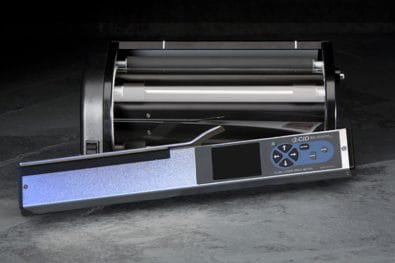
Take the CI-203 Handheld Laser Leaf Area Meter as an example. It is designed to be lightweight, durable, and intuitive, with no required user calibration and a rechargeable battery system that supports long-term use . These features reduce wear and eliminate common failure points seen in competing systems that rely on frequent recalibration or fragile components.

Similarly, the CI-202 Portable Leaf Area Meter is built as a self-contained unit with a rugged structure and integrated data logging. Its simplicity reduces the number of components that could degrade over time.
This design philosophy extends across the entire CID lineup. Fewer moving parts, stable sensors, and field-ready construction all contribute to longer operational life.
What Determines Instrument Lifespan?
Even with strong engineering, lifespan ultimately depends on usage patterns and maintenance habits.
1. Frequency of Use
High-frequency use does not necessarily shorten lifespan if the instrument is maintained correctly. In fact, regular use often helps identify minor issues before they become major problems.
2. Environmental Conditions
Field instruments are exposed to:
- Dust and soil particles
- Humidity and water exposure
- Temperature extremes
CID instruments are designed to handle these conditions, but consistent cleaning and proper storage are still essential.
3. Handling and Transport
Improper handling is one of the most common causes of premature wear. Using carrying cases and avoiding unnecessary impacts significantly extends instrument life.
4. Battery Care
Rechargeable systems, like those used across CID devices, are built for longevity. Proper charging habits and avoiding deep discharge cycles help maintain battery health over time.
Key Maintenance Practices That Extend Lifespan
If you want your instrument to last for years, instrument maintenance should be part of your routine, not an afterthought.
Keep Optical Components Clean
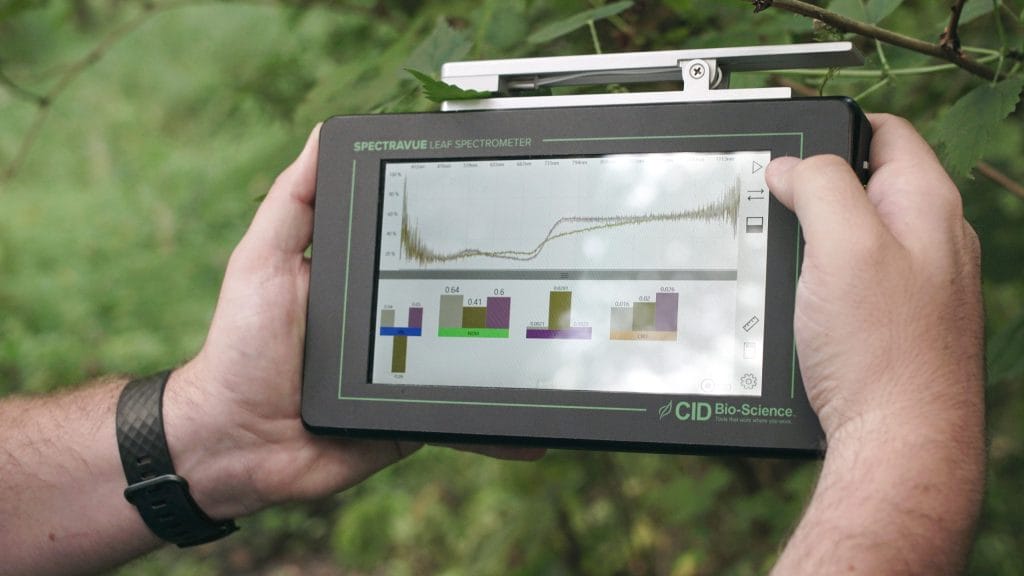
Devices like the CI-710 SpectraVue Leaf Spectrometer rely on precise optical measurements. Dust or residue on sensors can affect accuracy and strain the system over time.
Best practices include:
- Wiping optical surfaces with appropriate materials
- Avoiding direct contact with lenses
- Storing equipment in clean environments
Store Instruments Properly
After fieldwork, proper storage is critical.
- Keep instruments in protective cases
- Avoid prolonged exposure to heat or humidity
- Store in stable indoor environments when not in use
For example, instruments like the CI-110 Plant Canopy Imager include sensitive imaging and sensor systems that benefit from controlled storage conditions.
Regularly Check Components
Even though CID instruments minimize the need for calibration, periodic checks ensure everything is functioning correctly.
Look for:
- Loose connections
- Physical wear on cables or ports
- Software or firmware updates
Manage Data and Power Systems
Many CID instruments include onboard storage and rechargeable batteries.
- Regularly offload data to prevent system overload
- Charge batteries before long field sessions
- Avoid leaving batteries fully depleted for extended periods
Why CID Instruments Tend to Last Longer
Not all scientific instruments age the same way. CID Bio-Science stands out because of a few key design decisions.
No User Calibration Requirements
Instruments like the CI-203 and CI-202 eliminate the need for frequent calibration, which reduces user error and mechanical stress over time.
Integrated, Self-Contained Systems
Devices are built with integrated components rather than modular systems that can loosen or fail. This is especially important in portable tools used in remote environments.
Field-First Engineering
From GPS-enabled measurements to rugged housings, CID instruments are built specifically for real-world research conditions, not just controlled lab environments.
Stable Sensor Technology
For example, the CI-340 Handheld Photosynthesis System uses stable analyzers for CO2 and H2O measurements, reducing drift and extending usable life.
Typical Lifespan Expectations
While exact lifespan varies, here is a general guideline based on real-world use:
- 5 to 7 years: Heavy field use with minimal maintenance
- 8 to 12 years: Regular use with proper instrument maintenance
- 10+ years: Well-maintained instruments with careful handling and storage
Many research teams continue using CID instruments well beyond a decade, especially when maintenance practices are consistent.
Signs Your Instrument Needs Attention
Even durable equipment shows signs of wear over time. Recognizing these early can extend lifespan significantly.
Watch for:
- Slower response times
- Inconsistent readings
- Battery performance decline
- Physical wear on scanning or sensing components
Addressing these issues early often prevents more serious damage.
Comparing Longevity to Other Systems
Some competing instruments require:
- Frequent recalibration
- Complex maintenance procedures
- Replacement of delicate components
These factors increase downtime and reduce overall lifespan.
CID instruments are designed to avoid these issues. Their simplicity, durability, and stability mean fewer interruptions and longer operational life. This translates directly into better return on investment and more consistent data collection over time.
The Role of Software and Updates
Modern instruments are not just hardware. Software plays a key role in longevity.
CID systems often include:
- Onboard data processing
- Export capabilities for analysis
- Firmware that can be updated as needed
Keeping software updated ensures compatibility and performance remain strong even as research needs evolve.
The Bottom Line
Instrument maintenance is the single most important factor in determining how long your CID Bio-Science instrument will last. The good news is that these tools are built to make maintenance simple. With proper care, many users find their instruments remain accurate and reliable for years, often well beyond industry norms.
If you are looking for equipment that combines durability, precision, and long-term value, CID Bio-Science continues to set the standard. Explore the full range of instruments and see how thoughtful design and practical engineering can support your research for the long haul.
Related Products
Most Popular Articles
- Transpiration in Plants: Its Importance and Applications
- Leaf Area – How & Why Measuring Leaf Area…
- How to Analyze Photosynthesis in Plants: Methods and Tools
- Plant Respiration: Its Importance and Applications
- The Forest Canopy: Structure, Roles & Measurement
- Stomatal Conductance: Functions, Measurement, and…
- Forest & Plant Canopy Analysis – Tools…
- Root Respiration: Importance and Applications
- The Importance of Leaf Area Index (LAI) in…
- 50 Best Universities for Plant Science