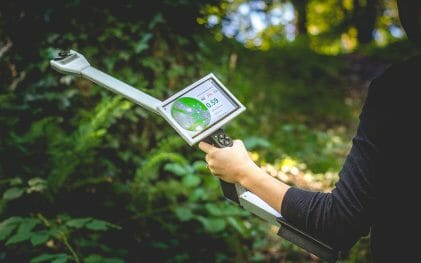
How Often Do I Need to Recalibrate My CI‑110?

Scott Trimble

April 9, 2026 at 6:46 pm | Updated April 9, 2026 at 6:46 pm | 4 min read
Researchers rely on accurate canopy measurements to understand plant growth, light interception, and ecosystem dynamics. That is why many users ask about CI-110 recalibration when they begin working with the Plant Canopy Imager. The good news is that the CI-110 is designed to minimize recalibration requirements while maintaining reliable measurements in the field.
With a self-leveling camera, integrated sensors, and automated processing, the system keeps measurements consistent without constant maintenance. Understanding how the instrument works and when recalibration might actually be necessary will help you maintain reliable canopy data across seasons and research sites.
Understanding How the CI-110 Works
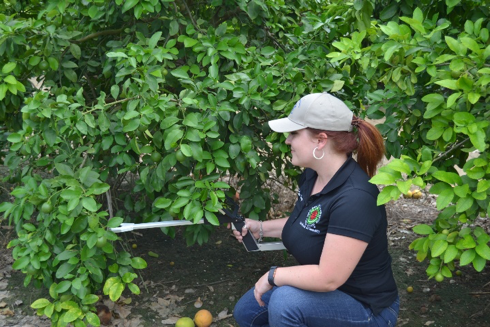
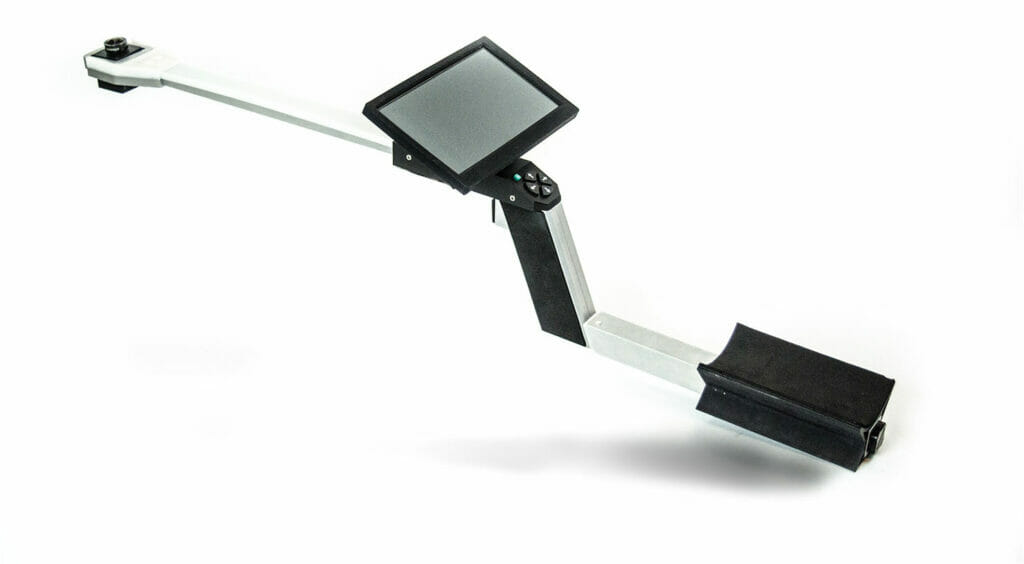
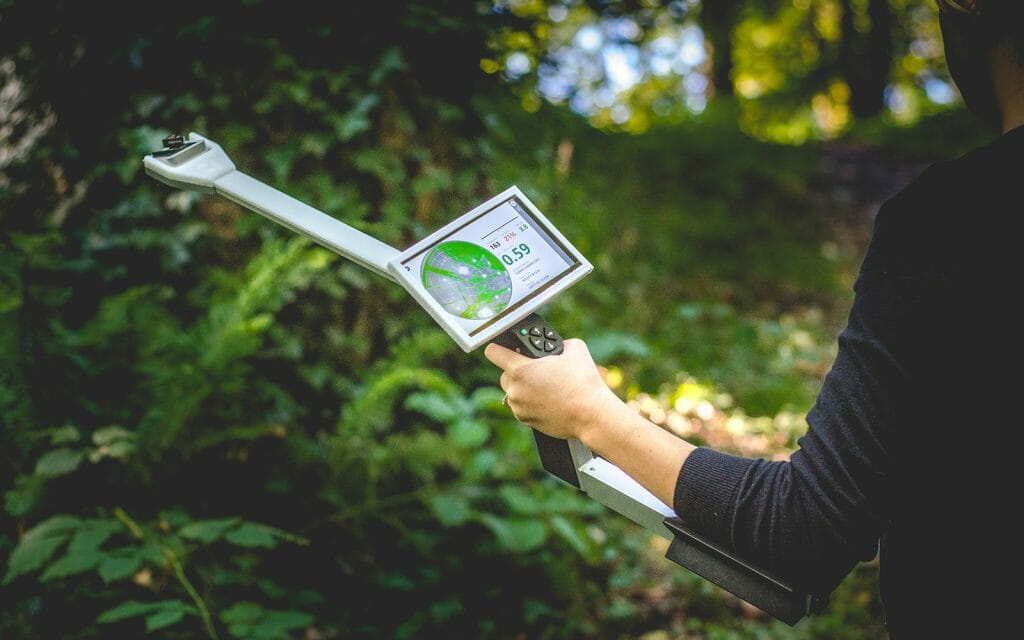
The CI-110 Plant Canopy Imager is built to simplify canopy measurements while maintaining scientific accuracy. Instead of relying on destructive sampling or complicated setups, the device combines hemispherical canopy imaging and light measurements in one portable system.
Subscribe to the CID Bio-Science Weekly article series.
By submitting this form, you are consenting to receive marketing emails from: . You can revoke your consent to receive emails at any time by using the SafeUnsubscribe® link, found at the bottom of every email. Emails are serviced by Constant Contact
The instrument uses a wide-angle camera to capture canopy structure and calculate Leaf Area Index (LAI). It also includes 24 photosynthetically active radiation sensors to measure light conditions within the canopy. These two approaches provide complementary ways to analyze canopy structure and radiation penetration.
Several built-in features reduce the need for frequent CI-110 recalibration:
- Self-leveling digital camera that standardizes image orientation
- Integrated PAR sensors for radiation measurements
- Automated LAI calculations through onboard software
- Neutral density filters that help maintain image quality under different light conditions
- GPS and internal compass for consistent measurement positioning
These integrated systems help ensure that measurements remain stable across different environments and lighting conditions.
Why Calibration Matters for Canopy Instruments
All scientific instruments require some level of calibration to ensure that measurements remain accurate over time. Environmental sensors, optical components, and electronic systems can drift slightly due to temperature changes, aging components, or heavy field use.
In canopy imaging systems, calibration ensures that:
- Light sensors measure radiation accurately
- Images are processed consistently
- LAI calculations remain reliable
- Measurements are comparable across experiments
However, the CI-110 was designed to minimize the amount of user calibration required. Many critical settings are handled automatically through onboard algorithms and sensor integration.
This design reduces both field setup time and the risk of user-introduced measurement errors.
How Often CI-110 Recalibration Is Actually Needed
For most research programs, CI-110 recalibration is not something that needs to happen frequently. In many cases, the instrument can operate reliably for long periods with minimal maintenance.
Typical recalibration intervals depend on three factors:
- Instrument usage
- Environmental conditions
- Long-term research precision requirements
In most field scenarios, users simply perform routine checks rather than full recalibration procedures.
Here are general guidelines researchers follow.
Routine field checks
Before data collection sessions, researchers typically check:
- Lens cleanliness
- Filter placement
- Sensor readings under normal conditions
- Leveling and orientation
These checks ensure that the instrument is functioning properly without requiring formal CI-110 recalibration.
Annual calibration verification
Many research labs verify instrument performance once per year. This step is similar to standard laboratory equipment maintenance and helps confirm that the device still meets expected measurement standards.
Verification may include:
- Comparing measurements across repeated plots
- Checking PAR sensor response
- Reviewing image processing results
Factory service intervals
For long-term reliability, some research programs send instruments back for factory inspection every few years. This is usually part of broader equipment maintenance rather than a strict requirement.
Signs That Your CI-110 May Need Recalibration
Although recalibration is rarely required, there are situations where it may be worth investigating.
Researchers should consider CI-110 recalibration if they notice:
- Unexpected LAI values compared to historical data
- Inconsistent measurements between repeated readings
- PAR readings that do not match environmental expectations
- Image analysis producing abnormal canopy gap results
Often, these issues are caused by simple factors such as lens contamination, incorrect filter selection, or unusual lighting conditions.
Checking these factors first usually resolves the problem without recalibration.
Features That Reduce Calibration Needs
One reason the CI-110 is popular among field researchers is its ability to maintain measurement accuracy with minimal adjustments.
Several design elements contribute to this reliability.
Self-leveling camera
The instrument automatically corrects orientation during measurements. This ensures that canopy images are consistent even when users are working on uneven terrain.
Integrated PAR sensors
The 24 photodiodes measure radiation levels directly within the canopy. This provides real-time data without requiring separate light sensors.
Built-in processing software
The CI-110 performs LAI calculations and image analysis internally. This reduces the risk of inconsistent results caused by external processing tools.
Wide operating range
The instrument can operate in temperatures between 5 and 50 °C, making it suitable for a wide range of field environments.
Because of these features, most users rarely need to perform CI-110 recalibration during routine research work.
Best Practices for Maintaining Measurement Accuracy
While recalibration is not frequently required, proper instrument care helps maintain reliable measurements.
Researchers should follow a few simple practices when using the CI-110.
Keep the lens clean
Dust, fingerprints, and moisture can affect canopy image quality. Clean the lens regularly with appropriate optical wipes.
Use the correct neutral density filters
Different light conditions may require different filters. Using the correct filter improves image clarity and canopy segmentation.
Store the instrument properly
Protect the instrument from extreme temperatures and humidity when not in use.
Verify measurements periodically
Running repeated measurements on the same plot helps confirm that the system is producing consistent data.
These steps maintain measurement accuracy without the need for frequent CI-110 recalibration.
How the CI-110 Compares to Other Canopy Measurement Methods
Traditional canopy measurement methods often require destructive sampling or complex manual measurements. These approaches are time-consuming and can introduce large sampling errors.
The CI-110 provides several advantages.
- Non-destructive canopy analysis
- Instant LAI calculations in the field
- Integrated radiation measurements
- Portable design for remote research sites
- Rapid data collection across large plots
Because the system integrates imaging and radiation sensing into a single device, researchers can collect more data with fewer calibration steps compared to older canopy analysis methods.
Conclusion: Improve Your Canopy Research with CID Bio-Science
Accurate canopy measurements are essential for plant science, forestry research, and crop monitoring. The CI-110 Plant Canopy Imager was designed to make canopy analysis faster, simpler, and more reliable in real field conditions.
If you want a canopy measurement tool that minimizes maintenance while delivering consistent results, explore the CI-110 from CID Bio-Science. Visit CID Bio-Science to learn more about how this instrument can support your research programs and long-term data collection.
Related Products
Most Popular Articles
- Transpiration in Plants: Its Importance and Applications
- Leaf Area – How & Why Measuring Leaf Area…
- How to Analyze Photosynthesis in Plants: Methods and Tools
- Plant Respiration: Its Importance and Applications
- The Forest Canopy: Structure, Roles & Measurement
- Stomatal Conductance: Functions, Measurement, and…
- Forest & Plant Canopy Analysis – Tools…
- Root Respiration: Importance and Applications
- The Importance of Leaf Area Index (LAI) in…
- 50 Best Universities for Plant Science