Articles
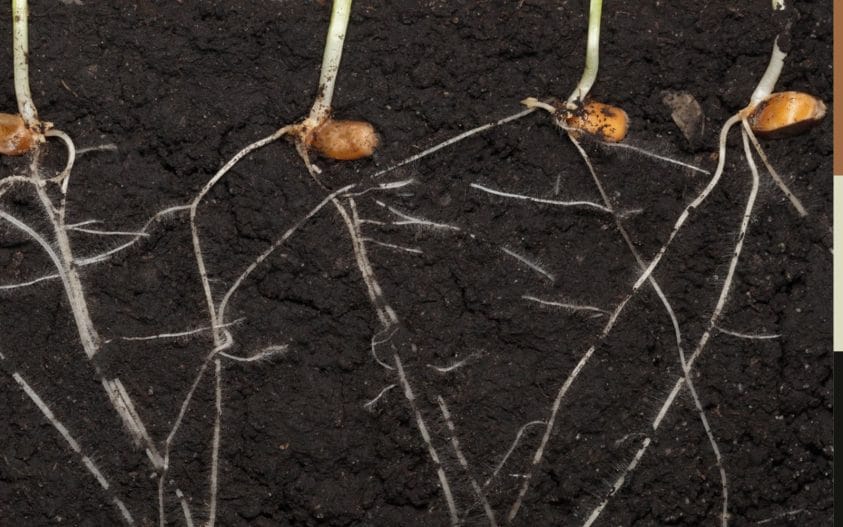
How Does Nitrogen Deposition Affect Plant Roots?
Nitrogen deposition significantly alters root traits across ecosystems and climate zones. Meta-analyses show a global trend, with trait-specific changes in root biomass, the root:shoot ratio, fine-root parameters, and mycorrhizal associations. However, variations from global trends exist by ecosystem, functional plant type, and climate. Some nitrogen deposition effects on crucial traits, such as root architecture and… Continue reading…


Additional reading

How Does Climate Change Affect Plant Phenology?
Plant phenology is a sensitive indicator of global changes such as climate change and nitrogen deposition. Climate change is responsible for earlier spring phenology (leaf out and flowering) but has less effect on fruiting and the end of the autumn season. Nitrogen deposition delays most phenological phases, such as spring phenology, fruiting, and the end… Continue reading…

What Is Plant Disease Detection and Which Technology Works Best?
Plant health monitoring can improve agricultural practices, profits, crop yield, safety, and quality. Non-destructive technologies for early disease detection on-site include spectroscopy and image processing. Among these techniques, vis-NIR spectroscopy-based devices are the most widely used for non-destructive, early detection of plant diseases. Plant diseases result in the annual global loss of over 30% of… Continue reading…

What Is Nitrogen Deposition? How It Affects Plant Growth and Photosynthesis
Nitrogen (N) deposition from air pollutants such as nitrogen oxides and ammonia has been increasing for over a century, with no signs of a halt. N-deposition effects on growth, leaf traits, and physiological processes are species-specific and are influenced by other environmental factors. Positive effects occur as long as N deposition is moderate; higher doses,… Continue reading…
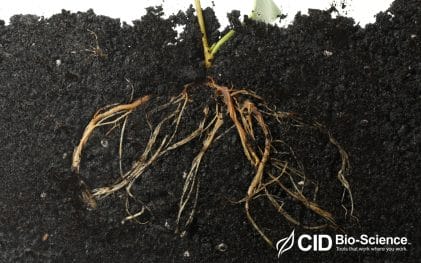
Mycorrhizal fungi Associations in Various Forest Types and Climate Change
Key Takeaways Global change, such as higher carbon dioxide, warming, pests, and diseases, has common effects on mycorrhizal community composition and abundance. The effects of drought, forest fires, and nitrogen deposition on the mycorrhizal community differ among forest types. As the temperature rises, the abundance of arbuscular mycorrhizal fungi is increasing, and ectomycorrhizal fungi are… Continue reading…
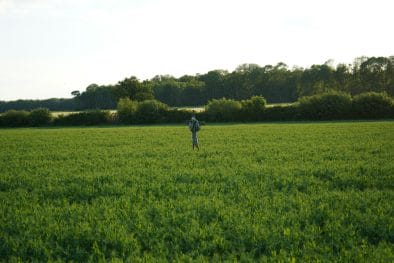
7 Protocols for Field Phenotyping That You Can Automate
Field phenotyping has always required a balance between precision and practicality. Researchers want high resolution data, but they also need workflows that hold up under real field conditions. That is where automated field phenotyping becomes essential. By integrating portable, purpose-built tools into your protocol, you can standardize measurements, reduce user bias, and collect more data… Continue reading…

5 Emerging Trends in Plant Canopy Analysis for 2025
Plant canopy analysis is moving well beyond simple LAI estimates and light measurements. In 2025, researchers expect more integrated, data-rich, and field-ready approaches that connect canopy structure, physiology, and spectral responses in real time. As climate variability increases and breeding programs accelerate, the need for fast, accurate, and non-destructive plant canopy analysis is more urgent… Continue reading…