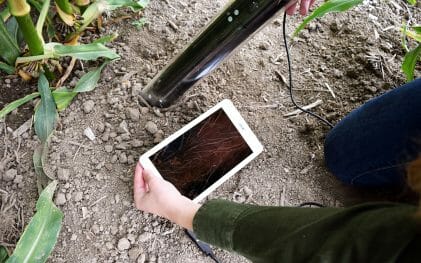
What Environmental Conditions Affect Root Image Quality in the CI‑600?

Scott Trimble

April 9, 2026 at 6:37 pm | Updated April 9, 2026 at 6:37 pm | 4 min read
Root image quality is one of the most important factors when working with in situ root phenotyping systems like the CI-600. If the image is unclear, inconsistent, or distorted, downstream analysis becomes less reliable. That is why understanding how environmental conditions influence root image quality is critical for researchers who want consistent, publishable data.
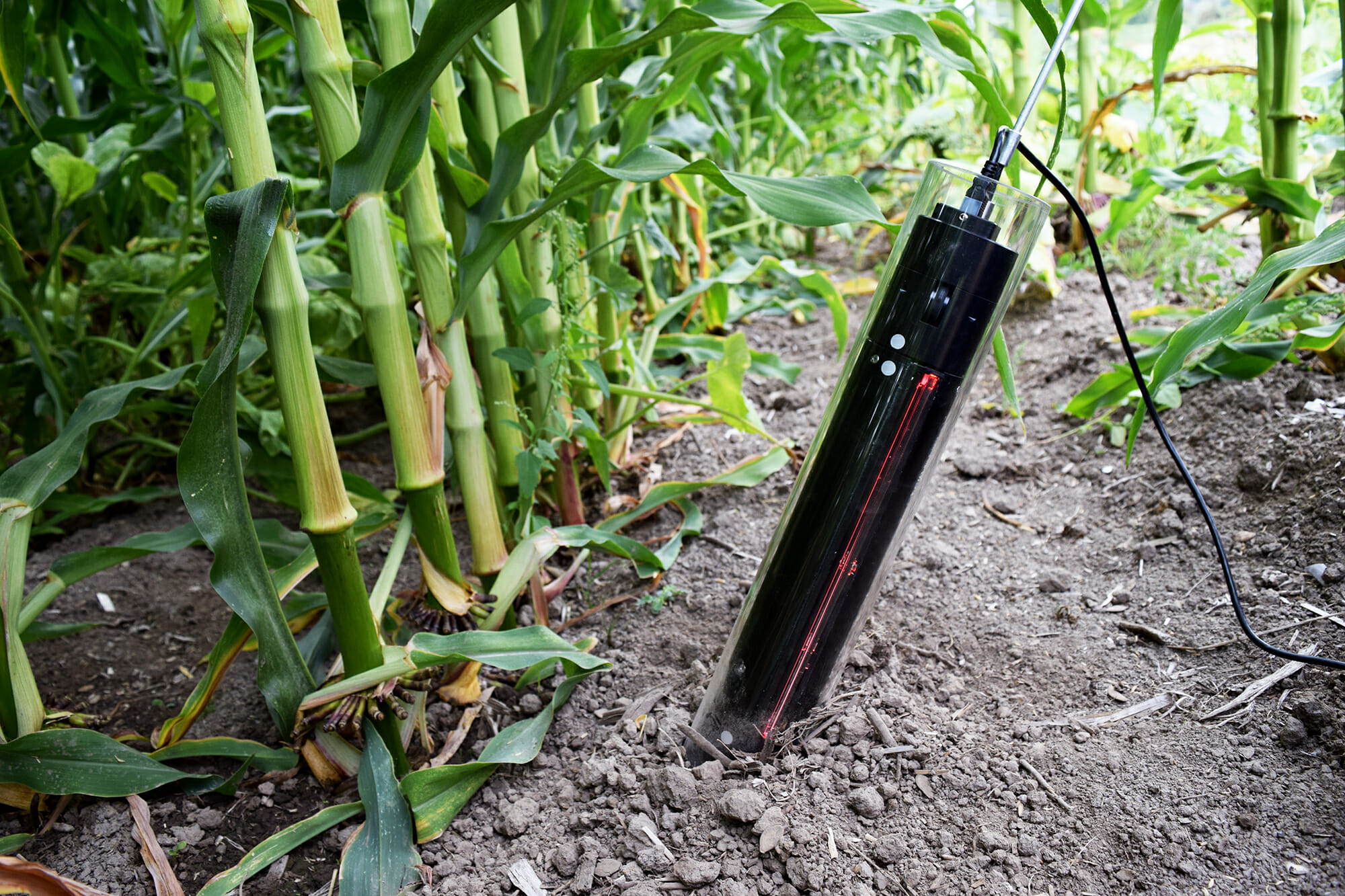
The CI-600 In-Situ Root Imager is designed to perform in real field conditions, but like any imaging system, it is still influenced by soil, moisture, light, and installation variables. In this article, we break down the key environmental factors that affect root image quality and how to manage them effectively in the field.
Why Root Image Quality Matters
Root studies depend heavily on visual clarity. High root image quality allows researchers to:
Subscribe to receive our monthly round-up of articles.
- Accurately measure root length, diameter, and density
- Track root growth over time
- Distinguish between live and dead roots
- Reduce post-processing time
Poor root image quality, on the other hand, introduces noise and uncertainty. This can lead to inconsistent datasets, especially in long-term experiments.
CID Bio-Science instruments are designed to minimize these risks by offering stable imaging conditions and repeatable positioning. The same design philosophy applies across their tools, whether measuring roots, leaves, or canopy structure, as seen in systems like the CI-202 and CI-203 leaf area meters.
Key Environmental Factors That Affect Root Image Quality
1. Soil Moisture Content
Soil moisture is one of the most significant variables affecting root image quality.
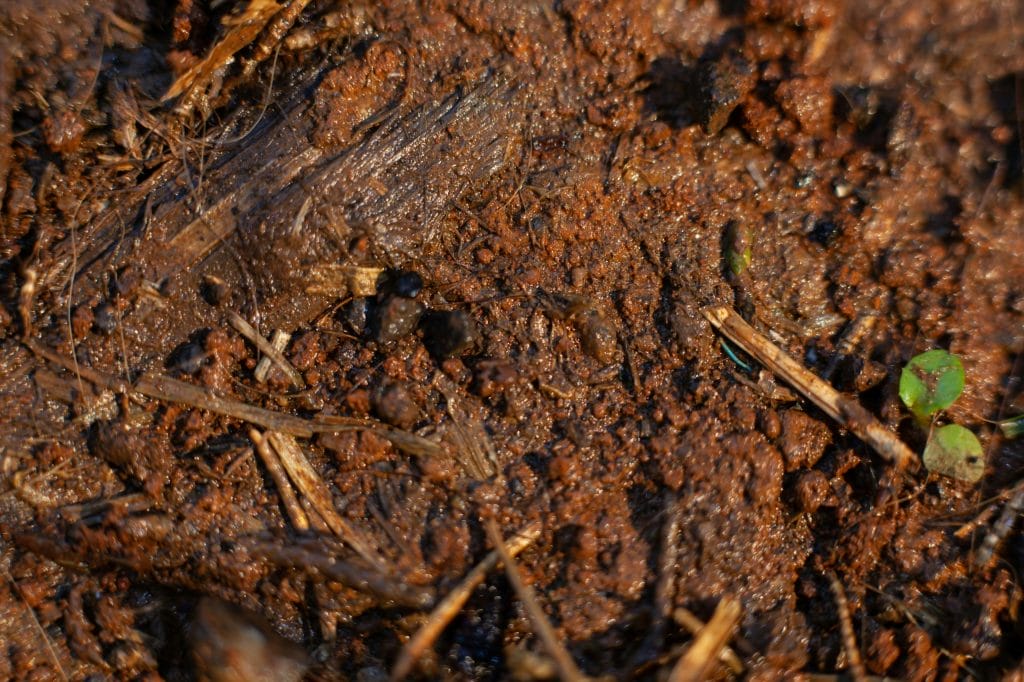
When soil is too wet:
- Water films can form on the observation tube
- Reflections increase, reducing contrast
- Fine roots may appear blurred or obscured
When soil is too dry:
- Soil may pull away from the tube
- Air gaps form, reducing root visibility
- Root-to-soil contrast decreases
Best practice:
- Aim for moderate, field-capacity moisture levels
- Avoid imaging immediately after heavy rainfall or irrigation
- Maintain consistent moisture across sampling periods
2. Soil Type and Texture
Different soil types interact with imaging systems in very different ways.
Clay soils:
- Tend to smear during tube installation
- Can create opaque layers that reduce visibility
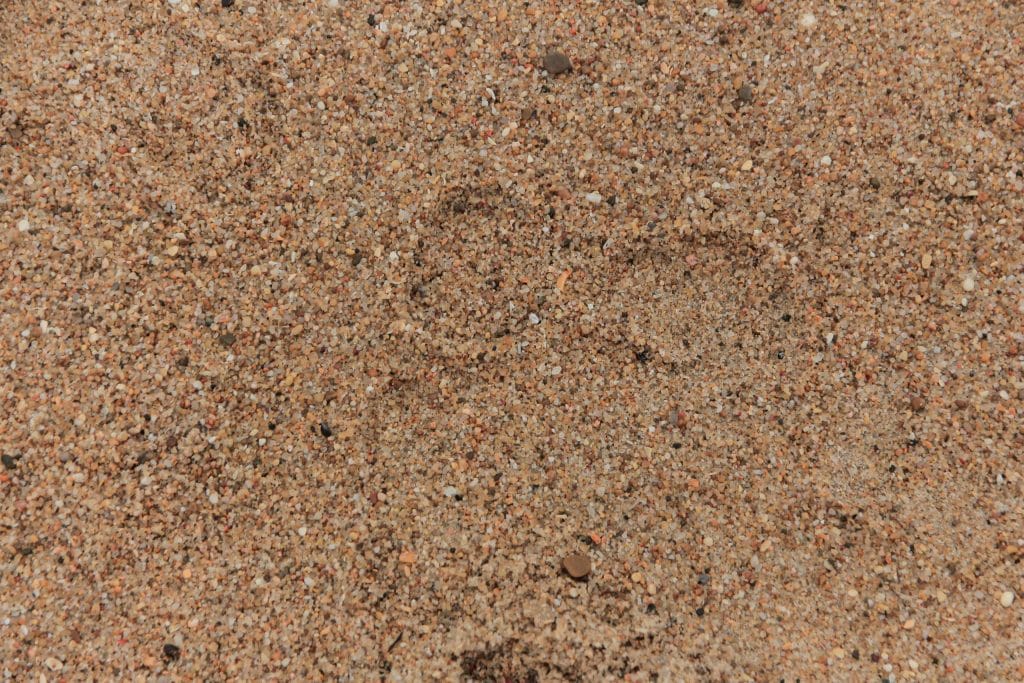
Sandy soils:
- Provide better contrast
- Drain quickly, reducing moisture-related distortion
Loamy soils:
- Typically offer the best balance for root image quality
Best practice:
- Install tubes carefully to minimize smearing
- Match imaging timing with stable soil conditions
- Be aware that each soil type may require slight protocol adjustments
3. Soil Disturbance During Installation
Installation quality directly affects long-term root image quality.
If the soil is heavily disturbed:
- Natural root growth patterns are altered
- Gaps between soil and tube reduce image clarity
- Roots may avoid the tube interface
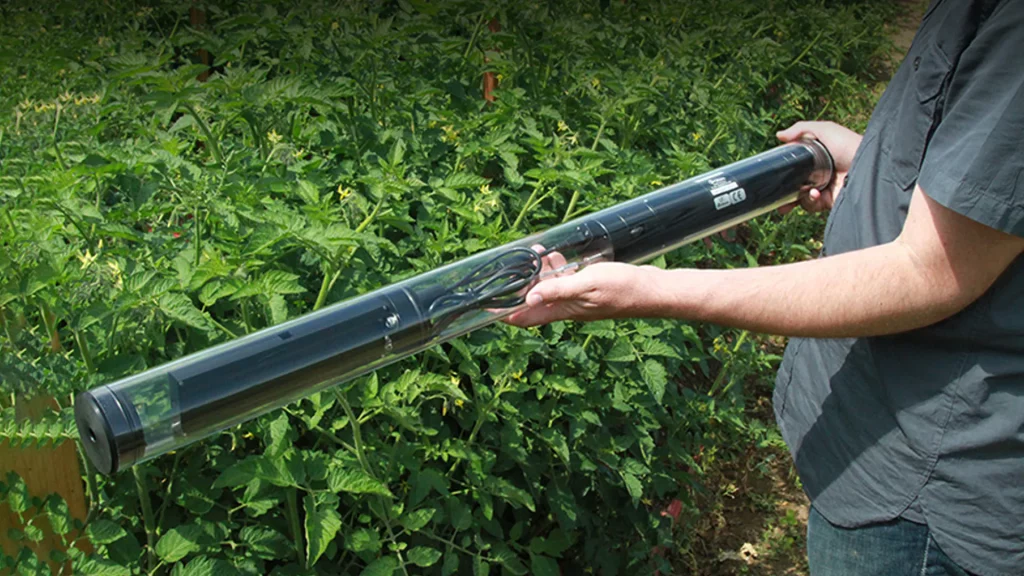
The CI-600 system is designed for minimal disturbance installation, which helps preserve natural root behavior. This is a major advantage over less specialized systems.
Best practice:
- Use proper augers and installation techniques
- Ensure tight soil-to-tube contact
- Allow time for soil to settle before initial imaging
Light and Optical Conditions
4. Ambient Light Interference
Although the CI-600 operates within a closed imaging environment, external light can still affect results if not properly controlled.
Potential issues:
- Light leaks during imaging
- Glare on the tube surface
- Reduced contrast in bright field conditions
Best practice:
- Ensure proper sealing during image capture
- Avoid direct sunlight exposure during operation
- Use consistent timing for measurements
5. Tube Cleanliness and Transparency
The minirhizotron tube acts as the optical interface between the camera and the soil.
Factors that reduce root image quality:
- Scratches on the tube surface
- Soil residue buildup
- Condensation inside or outside the tube
Best practice:
- Clean tubes regularly
- Inspect for scratches before installation
- Store and handle tubes carefully
Biological and Field Conditions
6. Root Density and Growth Stage
Root image quality is also influenced by the biological system being studied.
High root density:
- Can make images appear cluttered
- Makes segmentation more difficult
Low root density:
- May reduce statistical confidence
- Requires higher image clarity to detect fine roots
Best practice:
- Adjust sampling frequency based on growth stage
- Use consistent observation intervals
- Combine imaging with other measurements when needed
7. Microbial Activity and Organic Matter
Soil biology can indirectly affect root image quality.
For example:
- Fungal growth may obscure roots
- Organic debris can create visual noise
- Biofilms may form on tube surfaces
Best practice:
- Monitor long-term experiments for buildup
- Clean and maintain tubes as needed
- Interpret images with awareness of biological interference
Temperature and Environmental Stability
8. Temperature Fluctuations
Temperature affects both the soil environment and the imaging system.
Effects include:
- Expansion or contraction of materials
- Changes in soil moisture distribution
- Condensation formation
The CI-600 is designed to handle field variability, but stable conditions always produce better root image quality.
Best practice:
- Avoid imaging during extreme temperature swings
- Maintain consistent timing across sampling days
- Store equipment properly between uses
How the CI-600 Helps Maintain High Root Image Quality
CID Bio-Science designed the CI-600 to address many of these environmental challenges directly.
Key advantages include:
- Consistent imaging geometry for repeatable measurements
- Durable construction for field conditions
- High-resolution imaging for fine root detection
- Compatibility with long-term monitoring setups
These features allow researchers to focus on managing environmental variables rather than compensating for equipment limitations.
This same emphasis on precision and usability is seen across CID Bio-Science tools, from canopy imaging with the CI-110 to spectral analysis with the CI-710, both of which are built to handle real-world environmental variability while maintaining data quality.
Practical Tips for Improving Root Image Quality
To summarize, here are actionable steps to improve root image quality in the field:
- Install tubes with minimal disturbance
- Maintain consistent soil moisture conditions
- Clean tubes regularly
- Avoid imaging during extreme weather
- Standardize measurement timing
- Monitor soil and biological changes over time
Consistency is the most important factor. Even if conditions are not perfect, repeatable conditions will still produce usable data.
Takeaway
If you are working on root phenotyping or long-term soil studies, the CI-600 In-Situ Root Imager provides a reliable way to capture high-quality root images under real field conditions.
Visit CID Bio-Science to learn more about how the CI-600 and other plant measurement tools can improve your research workflow. Our instruments are built for accuracy, durability, and consistency, helping you get better data with less effort.
Related Products
Most Popular Articles
- Transpiration in Plants: Its Importance and Applications
- Leaf Area – How & Why Measuring Leaf Area…
- How to Analyze Photosynthesis in Plants: Methods and Tools
- Plant Respiration: Its Importance and Applications
- The Forest Canopy: Structure, Roles & Measurement
- Stomatal Conductance: Functions, Measurement, and…
- Forest & Plant Canopy Analysis – Tools…
- Root Respiration: Importance and Applications
- 50 Best Universities for Plant Science
- The Importance of Leaf Area Index (LAI) in…