Latest plant-stress
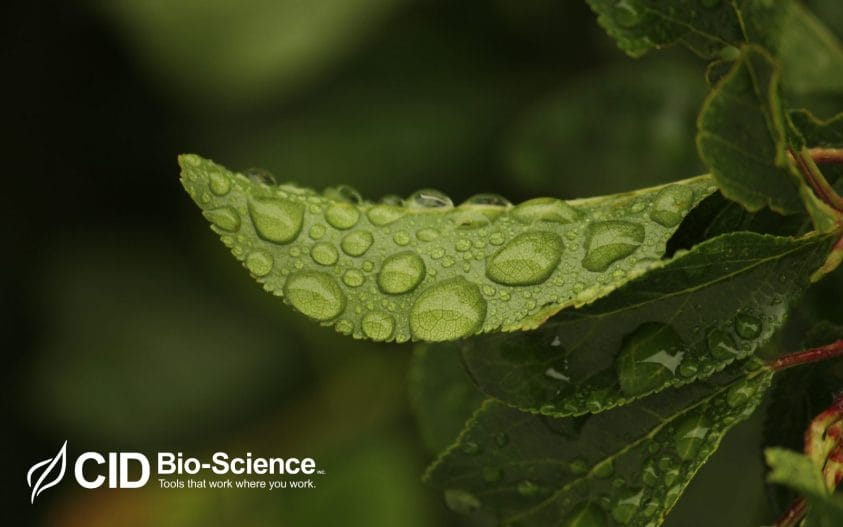
What Is Nitrogen Deposition and How Does It Affect Plants and Biodiversity?
Air pollutants, nitrogen oxides, and ammonia, are leading to increased nitrogen deposition on soil and water. Increased nitrogen deposition is changing soil properties through nitrogen enrichment and acidification. As a result of soil changes and acid rain, plants’ biochemistry, physiology, and morphology are changing. Loss of species and a shift in species composition are negatively… Continue reading…


Additional reading
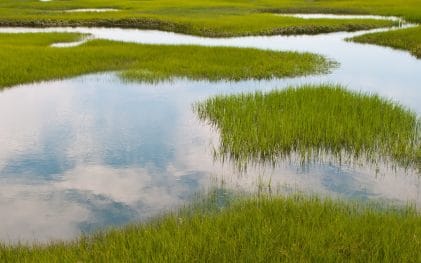
Root Structure and Function Gradients in Salt Marshes
Salt marshes are unique ecosystems characterized by micro-heterogeneity in elevation, soil, tidal inundation, salinity, and oxygen availability. In these extreme conditions, plants are adapted to each zone, so root traits also vary. Root biomass, density, tissue type, and size of roots are adapted for each of the three prominent zones in salt marshes. Salt marshes… Continue reading…
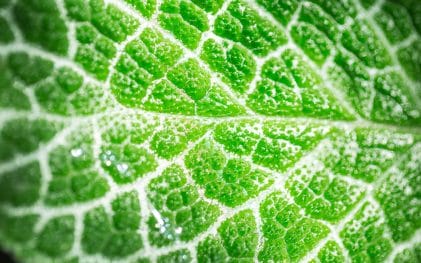
How Do Organic Fertilizers and Photosynthetic Rate Work Together?
Most research findings show that organic fertilizers improve the crop’s photosynthetic rate. The improvement occurs through increased photosynthetic efficiency, increased leaf number and area, and enhanced leaf chlorophyll content. Organic fertilizers enhance the soil’s nutrient status to support better plant growth and health, which increases crop photosynthetic rate. In many cases, organic fertilizers were more… Continue reading…
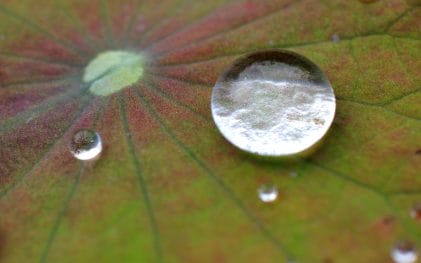
What Is Transpiration Efficiency and Why Does It Matter for Drought-Resistant Farming?
Transpiration efficiency is emerging as a crucial crop parameter to improve production in water-limited conditions. Restricting transpiration by crops is a vital strategy to increase productivity using less water. External factors like VPD, soil type, and nutrient status are also necessary to increase transpiration efficiency. Society must figure out ways to grow more food for… Continue reading…
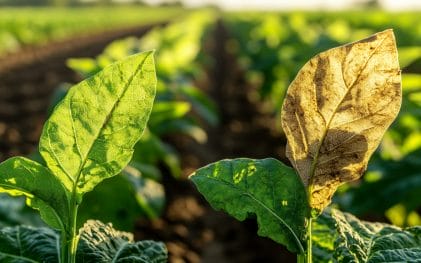
How Does the Role of Senescence Affect Crop Productivity?
Senescence can determine and increase crop productivity. Selecting for cultivars with delayed senescence improves yield only in some species. Senescence increases plant phenotypic plasticity, helping it to adapt to abiotic stress. Senescence is a significant agricultural trait that affects crop growth, stress adaptation, yield, and postharvest storage. Plants are unusual as they can time senescence… Continue reading…
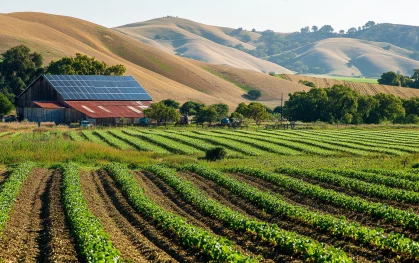
How Plant Science is Advancing Sustainability in Agriculture
Sustainability in Agriculture covers economic profits, environmental health, and social equity. Sustainable agriculture involves safeguarding humans, conserving natural resources, and improving the quality and quantity of profitable production throughout the food supply chain. Plant science aims to increase productivity with less inputs, chemicals, and water and more reliance on natural processes and onsite resources. Plant… Continue reading…

What is Senescence in Trees and Why Is It Important?
Senescence occurs at the cell, tissue, organs, and individual levels. Organ senescence is consequential in trees as it helps “recycle materials” within an individual tree to maintain function and productivity. Organ and whole tree senescence are also crucial for nutrient cycling, wildlife diversity, and forest productivity. Senescence is an integral part of all living organisms,… Continue reading…