CI-600 vs SoilCore + Lab Root Scanning: Which Is Faster and More Reliable?
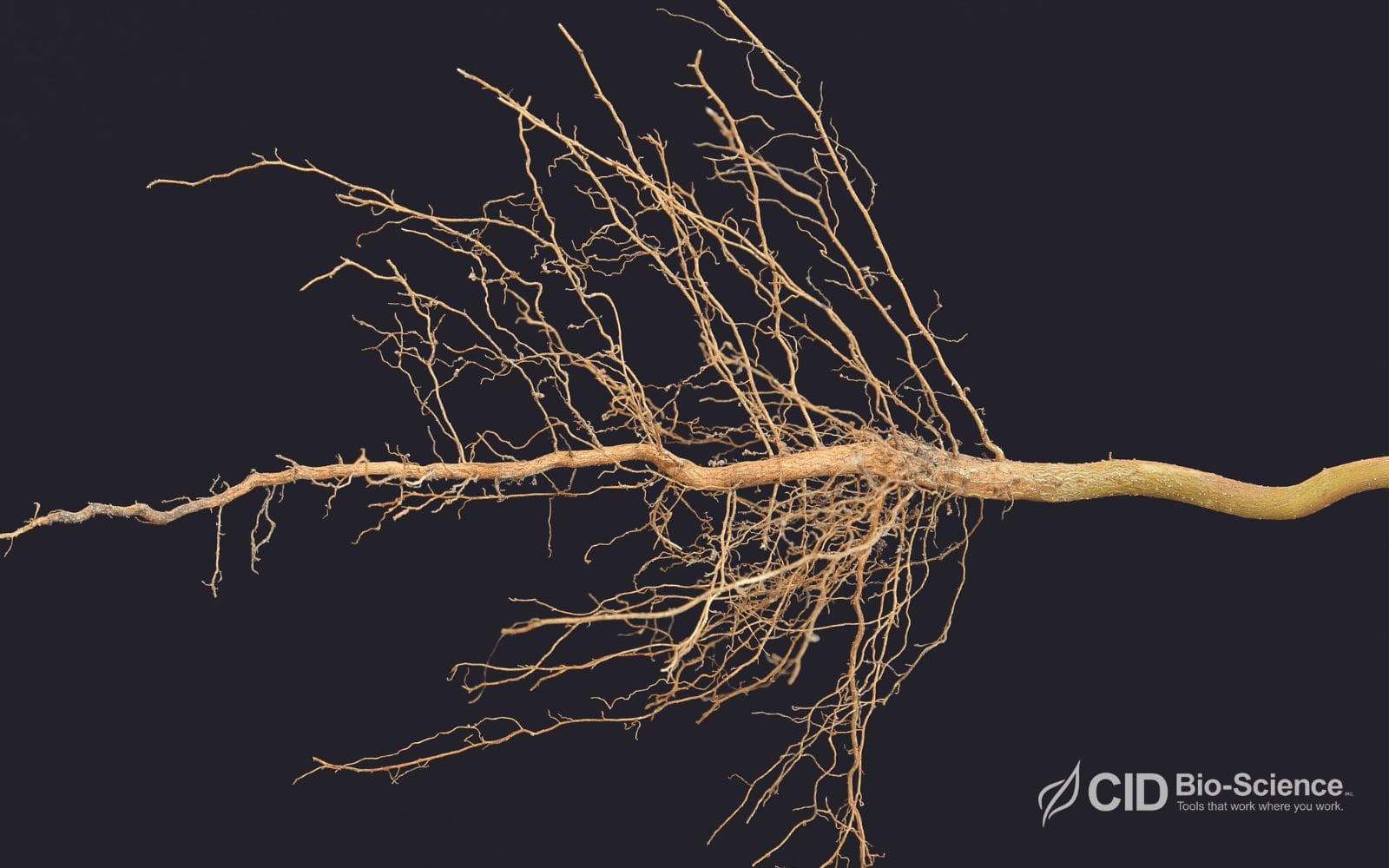

Scott Trimble

January 6, 2026 at 6:30 pm | Updated January 6, 2026 at 6:30 pm | 5 min read
Researchers who measure below-ground dynamics often ask which workflow offers the best mix of speed, reliability and long-term usability. This comparison usually comes down to the CI-600 in-situ root imager and the traditional SoilCore plus lab root-scanning pipeline.
In this article, we break down both methods and look at speed, reliability, sources of error and the level of ecosystem disturbance. The goal is to give researchers a clear understanding of which technique better supports modern root imaging needs.
What the CI-600 Is Designed To Do
The CI-600 is a portable, rotating-camera root imager used with transparent minirhizotron tubes installed in the soil. It captures high-resolution images along the entire tube length in minutes. The only specific information visible in the uploaded brochure file is the scan window length of 9 1/8 inches, which aligns with the imaging window used in each rotation of the CI-600. While the file does not include additional specifications, the CI-600 is widely known for producing uniform root images along tubes with minimal disturbance.
Subscribe to the CID Bio-Science Weekly article series.
By submitting this form, you are consenting to receive marketing emails from: . You can revoke your consent to receive emails at any time by using the SafeUnsubscribe® link, found at the bottom of every email. Emails are serviced by Constant Contact
This tool is meant for repeated measurements at the same location, giving researchers time-series data for root growth and turnover. It supports ecological studies, carbon modeling, breeding experiments and long-term agricultural monitoring.
What SoilCore + Lab Scanning Actually Requires
The SoilCore method involves several steps:
-
Excavate soil cores at desired depths
-
Transport cores to the lab
-
Wash or float roots from soil
-
Sort and clean roots
-
Scan washed roots with a flatbed or specialized lab scanner
-
Run image-analysis software to calculate length, branching and biomass
This technique is well established and can be precise, but it is labor-intensive and slow. It also destroys the sampled root system and disturbs the surrounding soil profile, which means the same location cannot be sampled repeatedly.
Speed Comparison
CI-600: Fast Field-Ready Imaging
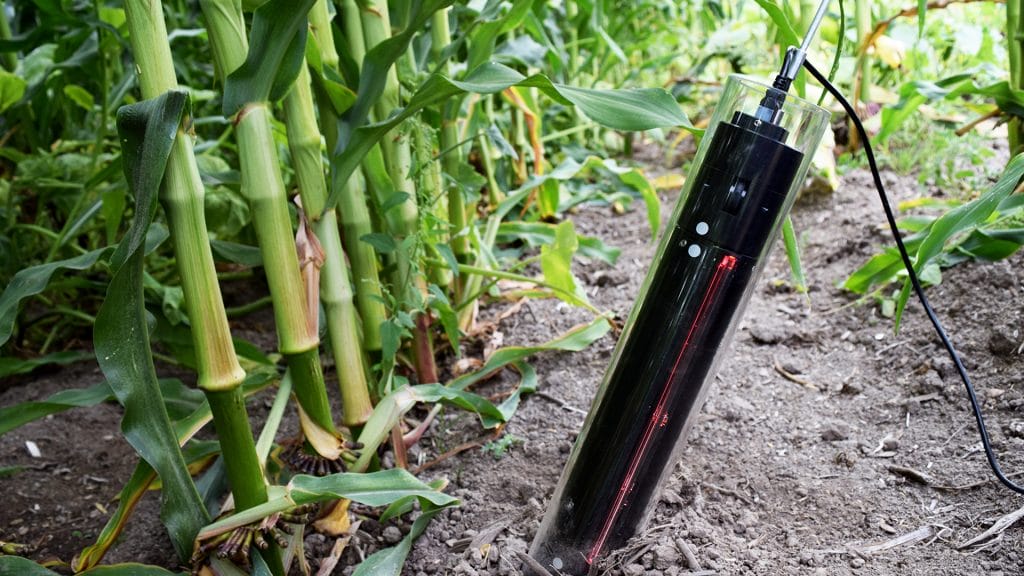
With the CI-600, root imaging is completed at the tube site, without removing soil or transporting samples. A full tube scan usually takes only a few minutes. Image export is immediate, and datasets can be captured repeatedly at short intervals.
This gives researchers:
-
rapid time-series measurements
-
minimal field days
-
no need for lab processing
-
consistent data collection during growth stages
For long-term monitoring programs, speed is one of the main reasons the CI-600 is preferred.
SoilCore + Lab Workflow: Slowest Part of the Study
The SoilCore method is slowed by several unavoidable steps:
-
manual coring in the field
-
sample transport logistics
-
root washing that can take hours per sample
-
root sorting and user-dependent picking
-
scanning and data cleaning
Most labs spend far more time processing cores than collecting them. For field teams with limited staff, this becomes a significant bottleneck. The result is fewer sampling dates and reduced temporal resolution.
When comparing the speed side by side, root imaging with the CI-600 is significantly faster and supports more frequent measurements.
Reliability and Data Quality
CI-600: High Consistency Over Time
The CI-600 provides repeatable measurements because:
-
the same tube location is imaged every time
-
soil is not disturbed between sessions
-
resolution and imaging area remain constant
-
roots stay in their natural position
The biggest advantage is consistency. Root architecture is captured in situ, which means roots remain oriented in the soil as they grow, branch and senesce.
The method avoids:
-
operator-dependent washing differences
-
root breakage
-
loss of fine roots
-
mixing of roots from different plants
This produces more reliable data for turnover rates, phenology tracking and treatment comparisons.
SoilCore Workflow: Quality Depends on Technique
SoilCore plus lab scanning can be accurate if executed carefully, but reliability depends on multiple fragile steps:
-
Fine roots often break during coring or washing
-
Very small roots may be lost entirely
-
Soil type influences washing efficiency
-
Mixing of roots from adjacent plants is common
-
Operator skill affects sorting quality
Even with experience, two operators may extract different root masses from identical cores. This variability reduces the reliability of time-series analysis and increases error margins.
Impact on the Research Site
CI-600: Minimal Disturbance
Once minirhizotron tubes are installed, the CI-600 captures root images without further soil disruption. The same tubes can be used over many seasons. This makes it ideal for:
-
long-term ecological plots
-
breeding trials
-
climate-change manipulation experiments
-
agroforestry systems
-
restoration monitoring
Non-destructive root imaging preserves soil structure and plant integrity, which improves data continuity and reduces experimental noise.
SoilCore: Destructive by Design
Soil coring disrupts:
-
root systems
-
soil microbial communities
-
pore structure
-
water pathways
Since the same location cannot be sampled twice, researchers must core nearby areas over time and assume they represent the same root population. This approach introduces spatial variation that complicates analysis.
Data Types and Research Applications
CI-600 Supports
-
longitudinal tracking of individual roots
-
root production and mortality
-
growth rate measurement
-
in-soil root architecture
-
phenology and turnover modeling
This method is unmatched for time-series root imaging because it preserves the spatial position and identity of each root.
SoilCore Supports
-
total biomass estimates
-
chemical analysis of root tissues
-
destructive comparison of treatments
-
isotopic work
-
nutrient content testing
It excels when root chemistry is the primary variable, but not when dynamic growth patterns need to be captured.
Cost and Labor Considerations
CI-600
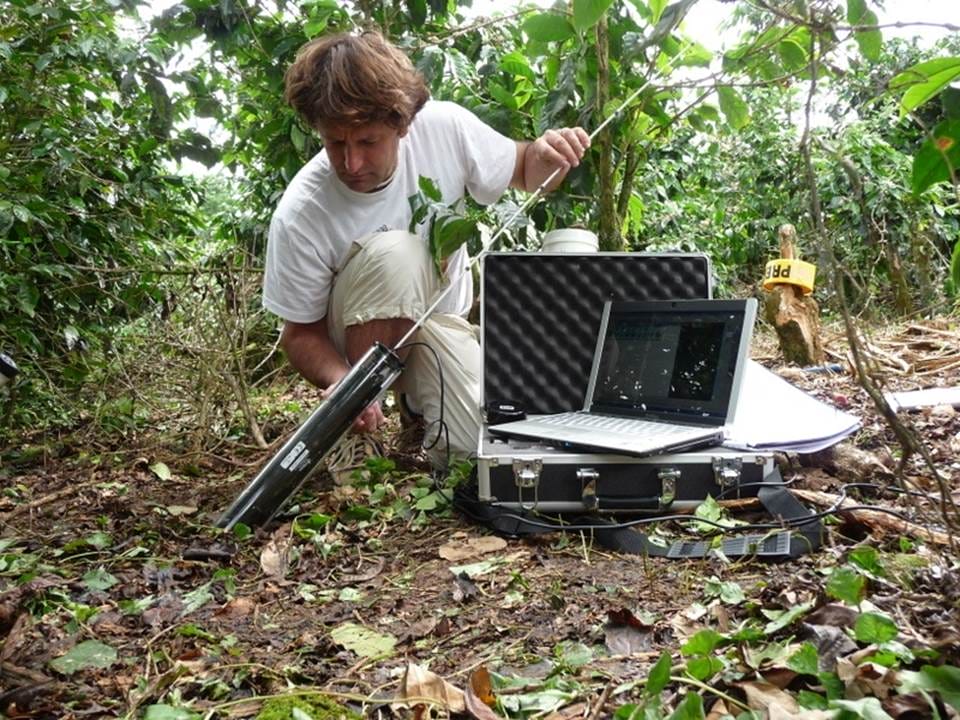
The CI-600 has a higher initial equipment cost, but labor needs are minimal. Field visits are short, with no ongoing lab processing. Over multi-year projects, operational cost is lower than SoilCore.
SoilCore Workflow
Coring equipment is inexpensive, but the labor cost is substantial. Washing, sorting and scanning time increases quickly with sample numbers, and large studies often require dedicated technicians. For long-term experiments, cumulative costs exceed the cost of a root imager.
Which Method Is Better Overall?
If your focus is root imaging, tracking growth over time, minimizing disturbance and maintaining high data reliability across seasons, the CI-600 is clearly the stronger choice.
If your focus is destructive biomass or chemical analysis, SoilCore is appropriate, but it is slower, more variable and less suited for repeated measurements.
In practice, many labs use both methods for different questions, but for most modern root-dynamics studies, the CI-600 provides a faster and more reliable workflow.
Conclusion
For researchers who need high-resolution root imaging, fast fieldwork and consistent long-term data, the CI-600 in-situ root imager delivers a clear advantage over SoilCore plus lab scanning. It reduces disturbance, eliminates slow processing steps and captures roots exactly where they grow.
If your upcoming project requires dependable root imaging with minimal labor, consider integrating the CI-600 into your workflow. It offers a more efficient and reliable approach to below-ground monitoring and pays for itself quickly in time saved.
Learn more or request a quote for the CI-600 today.
FAQs
Is the CI-600 suitable for long-term ecological studies?
Yes, the CI-600 is ideal for long-term monitoring because it causes no disturbance after tube installation and offers repeatable root imaging at the same location.
Can the CI-600 replace soil coring entirely?
It can replace coring for imaging-based studies but not for destructive biomass or chemical analyses. Many researchers use both methods depending on data requirements.
How often can imaging be done with a CI-600?
Imaging frequency is flexible. Many projects capture images weekly or biweekly during active growth because scans are fast and non-destructive.
Related Products
Most Popular Articles
- Transpiration in Plants: Its Importance and Applications
- Leaf Area – How & Why Measuring Leaf Area…
- How to Analyze Photosynthesis in Plants: Methods and Tools
- Plant Respiration: Its Importance and Applications
- The Forest Canopy: Structure, Roles & Measurement
- Stomatal Conductance: Functions, Measurement, and…
- Forest & Plant Canopy Analysis – Tools…
- Root Respiration: Importance and Applications
- The Importance of Leaf Area Index (LAI) in…
- 50 Best Universities for Plant Science