Plant science articles

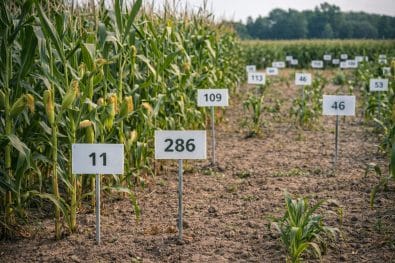
How Many Measurements Do You Really Need? Sizing Your Instrument Investment
When research budgets tighten, one question comes up fast: how many measurements do you really need to answer your research question, and how does that shape your instrument investment strategy. Instrument investment decisions often hinge on projected sample size, but experienced researchers know that measurement volume is only part of the equation when building a… Continue reading…
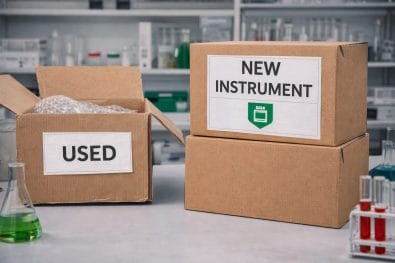
Buying Used vs New Instruments: Risks, Savers and What to Watch
Buying used scientific instruments is a topic that comes up often in plant science labs, field research groups, and teaching programs working within tight budgets. The appeal is obvious. Used equipment can lower upfront costs and stretch limited grant funding. At the same time, buying used scientific instruments introduces risks that are not always visible… Continue reading…
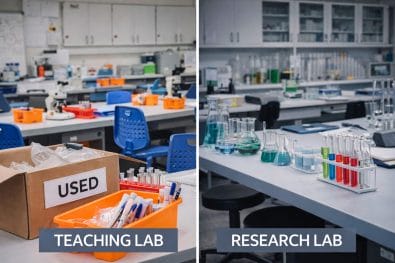
Selecting Instruments for Teaching vs Research Labs: Key Differences
Choosing the right tools for a laboratory depends heavily on whether the space is designed for instruction or for active research. While both environments may study the same biological processes, their priorities differ. Teaching labs focus on clarity, durability, and repeatable demonstrations. Research labs demand flexibility, data depth, and field readiness. Understanding these differences is… Continue reading…
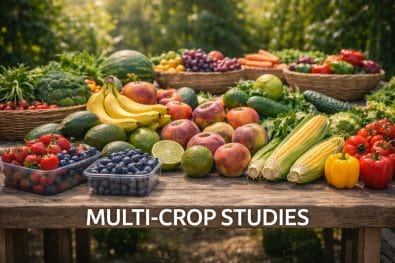
Multi‑Crop Studies: Choosing Instruments that Adapt Across Species
Multi-crop research instruments are essential when studies span cereals, horticultural crops, perennials, and native vegetation. The challenge is not learning new physiology for every species. It is finding tools that adjust to differences in leaf size, canopy structure, root architecture, and stress response without forcing changes to the experimental design. In multi-crop trials, flexibility and… Continue reading…
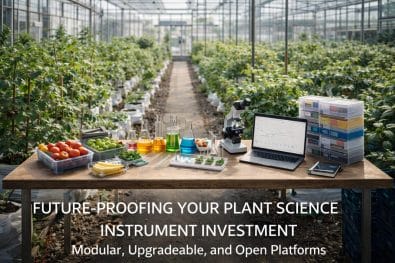
Future-Proofing Your Plant Science Instrument Investment: Modular, Upgradeable, and Open Platforms
Investing in future-proof plant science instruments is no longer just about measurement accuracy. Researchers now expect tools that adapt as projects evolve, funding cycles change, and new methods emerge. A system that locks users into fixed hardware or closed software quickly becomes a liability. Modular design, upgradeable components, and open data workflows are what separate… Continue reading…
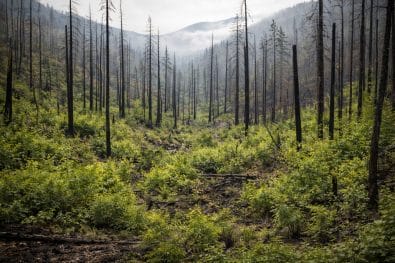
Using the CI‑110 to Monitor Forest Canopy Recovery After Wildfire
Forest canopy recovery is one of the clearest indicators of ecosystem resilience following wildfire. Researchers, land managers, and restoration ecologists all rely on accurate canopy metrics to understand how quickly vegetation structure and function return after disturbance. Measuring forest canopy recovery consistently across time and space has always been a challenge, especially in rugged or… Continue reading…
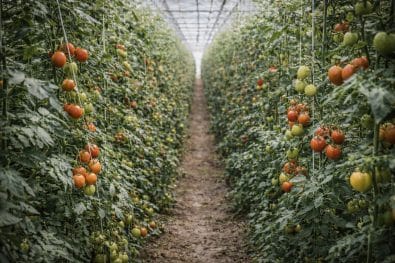
Measuring Leaf Area Index in Greenhouse Tomatoes with the CI‑202
Leaf area index greenhouse tomatoes is a phrase that comes up often in discussions about crop vigor, light interception, and yield potential. In controlled environments like greenhouses, leaf area index, or LAI, becomes even more important because every management decision influences canopy structure. Growers and researchers need reliable ways to quantify leaf area without slowing… Continue reading…
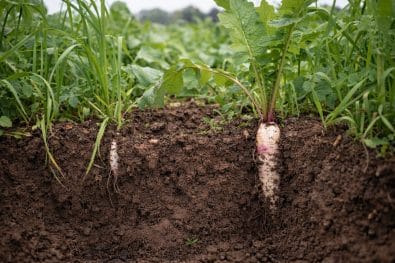
Assessing Root Growth in Cover Crops Using the CI‑600 In‑Situ Root Imager
Assessing root growth in cover crops is central to understanding how these systems influence soil structure, nutrient cycling, and long-term field performance. While aboveground biomass is easy to observe, the real agronomic value of cover crops often lies below the surface. Root depth, density, and turnover drive water infiltration, carbon inputs, and nitrogen capture. The… Continue reading…
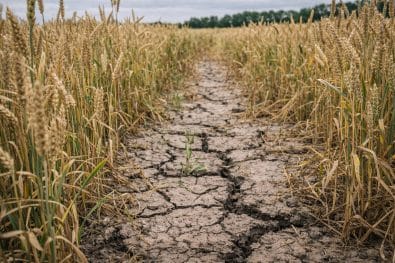
Using the CI‑340 Handheld Photosynthesis System for Drought Stress Trials in Wheat
Drought stress trials in wheat often come down to one core question: how efficiently is the plant still exchanging gas as water becomes limiting? The CI-340 Handheld Photosynthesis System is designed for exactly this type of work. In field plots, greenhouses, and controlled environments, the CI-340 Handheld Photosynthesis System gives researchers direct access to photosynthesis,… Continue reading…
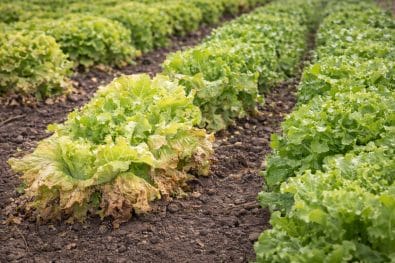
Spectral Leaf Measurements (CI‑710s) for Nutrient Deficiency Detection in Lettuce
Spectral leaf measurements are becoming a practical, field-ready approach for identifying nutrient deficiencies in lettuce before visible symptoms reduce yield or quality. Lettuce responds quickly to changes in nitrogen, magnesium, iron, and other nutrients, and those responses show up in leaf optical properties long before chlorosis or stunting becomes obvious. With the CI-710s SpectraVue Leaf… Continue reading…