Plant science articles

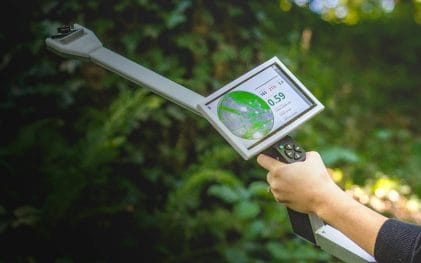
How to Choose a Canopy Analyzer: What to Look For in 2025
Choosing a canopy analyzer in 2025 is not as straightforward as picking the newest device on the market. Plant scientists, ecologists, foresters and agronomists rely on these instruments to quantify canopy structure, estimate LAI, evaluate light environments and understand how vegetation interacts with the atmosphere. Because the canopy analyzer plays such a central role in… Continue reading…
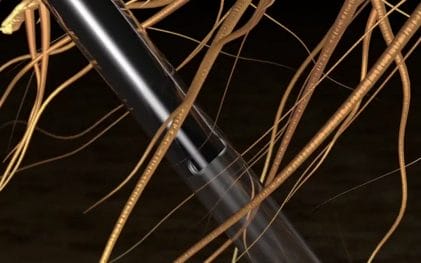
Buyer Checklist: Root Imagers for Crop‑Rhizosphere Research
Selecting the right root imagers for crop rhizosphere research is a practical decision that often determines the quality and reliability of underground data. Roots change constantly as they respond to water, nutrients, texture, biota, and management. Capturing these responses in situ requires imaging systems that are stable, portable, and able to deliver clear, repeatable scans… Continue reading…

Budgeting for Plant Physiology Equipment: Total Cost of Ownership Explained
Researchers often focus on the upfront price of plant physiology equipment, but the long term picture is shaped by maintenance, usability, reliability, and operational efficiency. Understanding the total cost of ownership is essential for making informed decisions, especially when equipment will be used for multi year projects, field campaigns, or collaborative studies. In this article,… Continue reading…
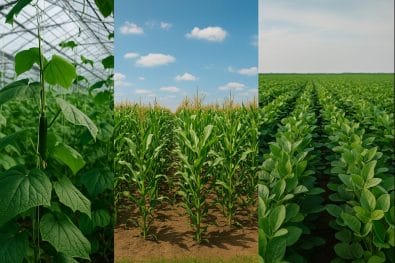
Selecting Leaf Area, Canopy, and Spectral Instruments for Major Crop Types
Choosing the right crop measurement instruments is one of the most important decisions researchers make before beginning a new project. Each crop type presents its own structural, physiological, and environmental challenges. Leaf size, canopy density, growth habit, and pigment composition all influence what tools will deliver accurate and repeatable data. CID Bio-Science designs instruments that… Continue reading…

What to Ask Your Supplier Before Buying a Plant Measurement Tool
Buying a plant measurement tool is rarely a casual purchase. These instruments sit at the center of data collection, and the quality of your results often depends on how well the tool matches your research goals. Whether you are measuring leaf area, photosynthesis, canopy structure, roots, or spectral properties, asking the right questions upfront can… Continue reading…

Lab Manager’s Guide: Integrating CID Instruments into Your Workflow
Running a modern plant science lab means balancing data quality, staff efficiency, and instrument reliability. For lab managers, integrating CID instruments into your workflow is often about removing friction from daily measurement tasks while improving consistency across projects. CID Bio-Science instruments are designed to work together across physiology, morphology, and spectral analysis, making it easier… Continue reading…
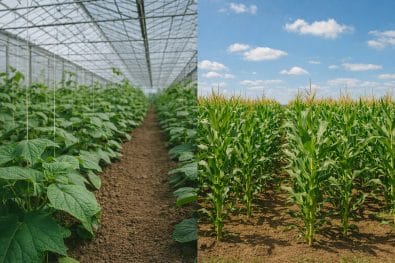
Greenhouse vs Open Field Instrument Selection: Special Considerations
Greenhouse vs open field instrument selection is not just a question of portability versus permanence. It shapes the type of data you collect, how repeatable that data is, and how confidently you can interpret plant responses. Controlled environments and open systems introduce very different constraints around light, temperature, airflow, space, and sampling frequency. Selecting instruments… Continue reading…
Portable vs Bench‑Top: Which Instrument Format for Your Research?
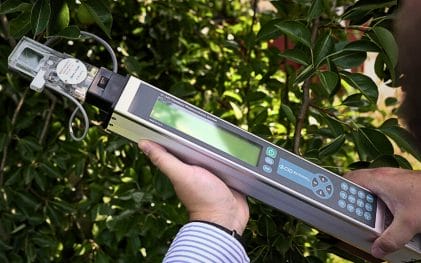
Choosing between portable and bench-top instruments is a familiar decision in plant science and agricultural research. The format you select shapes how, where, and how often data are collected. Portable plant research instruments have become increasingly capable, narrowing the gap with traditional lab-based systems while offering flexibility that bench-top tools cannot match. This article looks… Continue reading…
Selecting the Right Root Imager: Depth, Resolution, Cover, and Cost
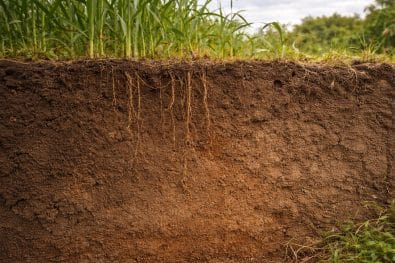
Choosing the right root imager is one of those decisions that can quietly shape the quality of an entire research program. Roots are dynamic, heterogeneous, and difficult to observe without disturbing the system you are trying to measure. A good root imager lets you work around that problem by balancing depth, resolution, spatial cover, and… Continue reading…
Instrument Support & Software: Why It Matters More Than Specs
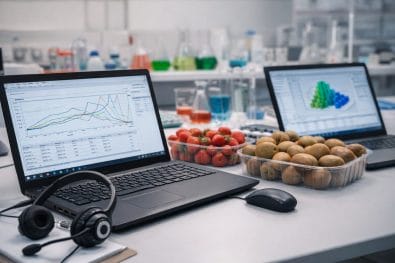
Instrument support and software often get less attention than sensors, optics, or measurement ranges. Yet anyone who spends real time collecting plant data knows that instrument support and software determine whether a tool remains useful long after purchase. Specs help sell an instrument, but support and software decide how smoothly it fits into daily workflows.… Continue reading…