Latest leaf-area-measurement


Higher Temperatures Hurt Cash Crops
Temperature is one of the essential factors that influence plant physiological processes. Its influence can be felt from germination to the production of fruits in plants. Thus, the rising temperatures associated with climate change could have a profound impact on crops and their productivity. These are some questions that are being explored by scientists through… Continue reading…

Controlling Nitrogen Fertilization for Crops
Nitrogen deficiency is one of the main reasons for low crop yields. Research is focusing on plant physiology and morphology to make a more accurate estimation of nutrient needs. As studies diversify and become more in-depth, new precision tools useful in the field are needed. Hence, many complicated technologies have been miniaturized into portable and… Continue reading…

Nitrogen Dynamics in Forest Trees
Many wild tree species have economic values due to their use in the production of timber, biomass, and a variety of non-timber products. It is essential to learn more about the nutrient dynamics that can affect the health and productivity of forests, since we currently have little information on this topic. Nitrogen is an important… Continue reading…
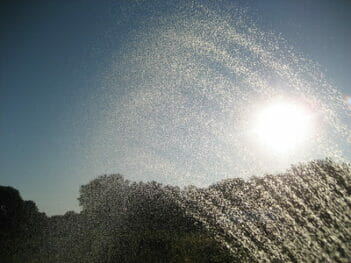
Water-Stress Changes Resource Allocation in Plants
Drought is one of the most common forms of stress that affects plants both in the wild and in farms. Drought is predicted to increase in frequency and intensity in tropical and subtropical areas of the world due to climate change. We know that plants will defer in their response to changing environmental conditions. Hence,… Continue reading…

Phenotypic Variations in Plant Morphology Due to Drought Stress
Drought is one of the most common stresses the plants face, so it is only natural that they would adapt to drought or withstand water stress through plasticity of some morphological traits. However, our understanding of the processes by which plants cope with water stress is limited. Therefore, the number of studies about plant responses… Continue reading…
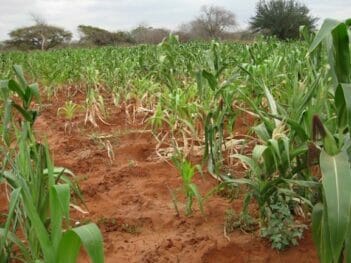
Modifying Genetics, Physiology, and Biochemistry to Improve Drought Responses in Crops
Drought is the most common stress and has the largest effect on the growth and production of crops. Nearly a fourth of agricultural areas worldwide are affected by water shortage. Plants adapt to drought by altering their genetics, physiology, and biochemistry. Hence, these traits are being used to screen new cultivars, which can sustain growth… Continue reading…
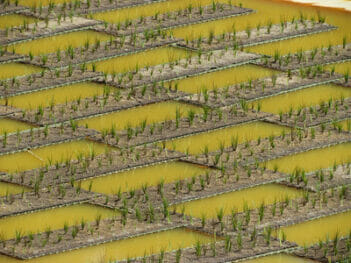
Advances in Phytoremediation
Phytoremediation has many proponents to treat widespread chemical contaminants in soil, water, and air. It is low-cost, eco-friendly, and doesn’t require complicated technology and infrastructure. As it is a new branch of science, it is necessary to understand the processes involved in the different methods of phytoremediation to advise decision-making for application of this technology.… Continue reading…
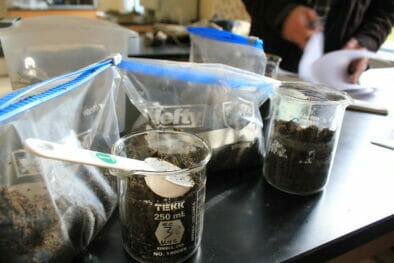
The Dirt on Soil Carbon Formation During Afforestation
Soil carbon is the second-largest carbon sink in the world, and it is currently in focus during these times of accelerating climate change brought about by human activities. Very little is known on the patterns of carbon accumulation in the soil. Thus, it is essential to determine the mode and quantity of carbon being sequestered… Continue reading…
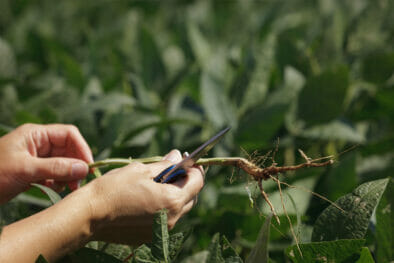
Root Analysis in the Field: Industries & Uses
Crops, Nutrients, Irrigation & Root Analysis Analysis of the root system is important in ensuring sustainable crop production, reducing nutrient input and irrigation, and protecting soil carbon pools. Getting rapid and frequent images of what is happening underground can help people make timely decisions about agricultural practices to maintain plant health and ensure the judicious… Continue reading…

Cadmium Toxicity in Plants
Cadmium is a heavy, non-biodegradable metal that is toxic to plants, people, and animals. With increasing pollution and emission of cadmium, its levels in agricultural soils are increasing. The risk to humans is high due to consumption of cadmium-contaminated food. Modern applications of gas analysis and laser measurements are speeding up research in addressing the… Continue reading…