Latest menus

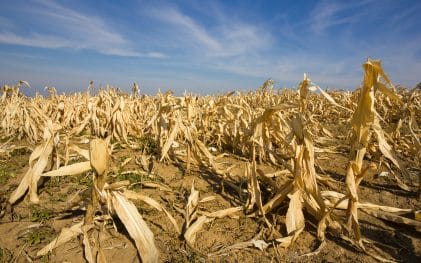
Understanding Drought Impact on Crop Yield: Stages, Mechanisms, and Adaptations.
Drought’s impact on crop yield affects plant stages differently, moderated by genotype and external environmental factors. Very early drought can inhibit germination and seedling establishment, reducing stand density and yield. Drought during reproductive and grain filling can reduce yield quantity and quality more than during the growth phases. Drought is the primary environmental stress crop… Continue reading…
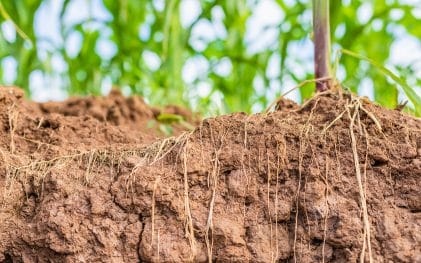
How Does the Rhizosphere Effect Influence Plant Growth and Soil Health?
The rhizosphere is the soil surrounding the plant root and soil interface. Root exudates, controlled by plant species, functional type, root traits, and biomes, can determine the biology, physics, and chemistry of the rhizosphere effect. The rhizosphere effect can enhance nutrient availability and defense at the plant level; carbon and nutrient cycling and possible bioremedial… Continue reading…
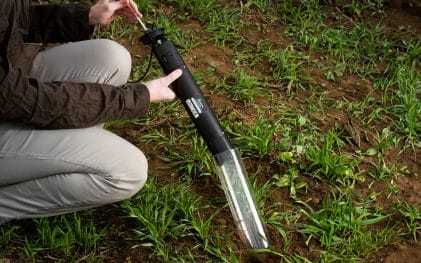
Advances in the Measurement of Root Turnover with Minirhizotron Technology
Root turnover rates are complex to measure as growth and death co-occur in plants. Minirhizotron is a standard method for estimating root turnover as it is non-destructive, rapid, and accurate. One challenge in the widespread use of minirhizotrons for root turnover is the lack of analysis methods to directly convert root scans to turnover estimation.… Continue reading…

Drought Effects on Forest Productivity
The effects of increasingly frequent and severe droughts are reported globally. Forest productivity decreases due to reduced growth, canopy dieback, and tree mortality. Drought effects are not even and are influenced by internal and external factors. Some adaptation measures to drought-proof forests are suggested based on available information. Drought intensity, frequency, duration, and extent are… Continue reading…

What We Learned About Roots in 2023
Most studies in 2023 focused on root responses to agricultural practices to improve yield using fewer resources. Research into the basic science of roots and the influence of biotic and abiotic factors are the second significant areas of study. Fine roots are a particular area of focus, given their importance in nutrient and water uptake… Continue reading…

Measuring Heat Stress on Forest Trees
The impact of high temperatures directly and alone on trees is significant without the associated drought. Heat effects are recorded at cellular, leaf, and tree levels, inhibiting tree growth and productivity or even mortality. More research is necessary to fully understand the effects of heat stress, which must be supported by on-site, non-destructive data collection… Continue reading…
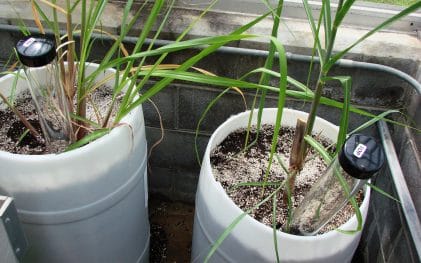
Minirhizotron Systems for Root Disease Detection
Root diseases are a significant issue in reducing crop yields globally. The damage and symptoms caused by root diseases change morphology and growth dynamics that images and scans can detect. Minirhizotron systems can detect a wide range of root changes reflecting various levels of root disease severity, providing a novel detection method. Root diseases are… Continue reading…
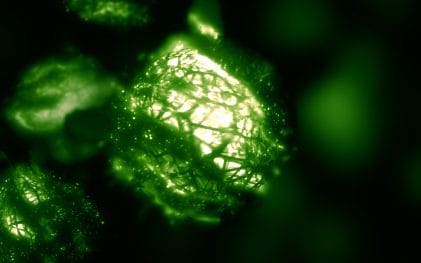
Microalgae and Artificial Photosynthesis for Renewable Energy
Microalgae’s natural photosynthesis, which uses carbon dioxide in the presence of sunlight, is harnessed to produce electricity and biofuels for renewable energy. Artificial photosynthesis, biomimics, and natural photosynthesis use semiconductors to capture light and fix ambient CO2. Artificial photosynthesis systems produce two types of fuels: hydrocarbons (methane, methanol, and formic acid) and pure hydrogen. Challenges… Continue reading…
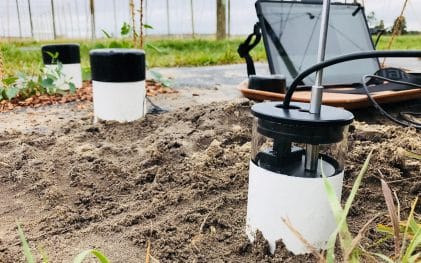
Fine Root Biomass Dynamics in Brackish Marsh Vegetation
In this article, we delve into a pivotal study conducted in the unique environment of a cool-temperate brackish marsh. The research, titled “Estimation of fine root biomass using a minirhizotron technique among three vegetation types in a cool-temperate brackish marsh,” offers crucial insights into the complex world beneath our feet – the intricate and often… Continue reading…

The Root Traits Reducing Landslide Susceptibility
Stabilization of slope hillsides is one of the crucial ecosystem functions of roots. Roots modify mechanical and hydrological soil properties to reduce landslide susceptibility, which is one of the main benefits of root traits reducing landslide susceptibility. Roots reinforce soil, provide structural support, deepen anchoring, and help to dry soils quickly after rains. Several underlying… Continue reading…