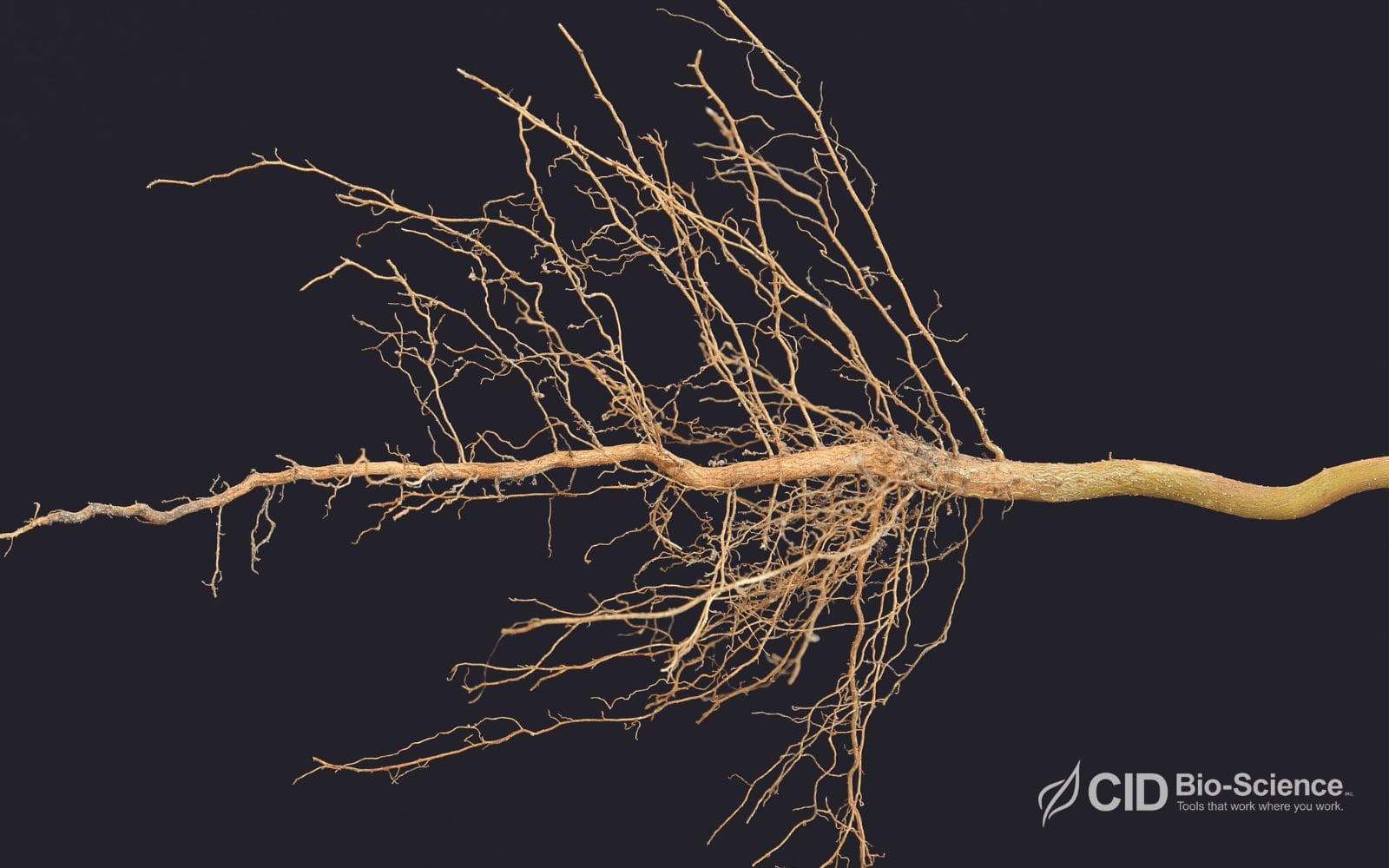
CI-600 vs SoilCore + Lab Root Scanning: Which Is Faster and More Reliable?

Researchers who measure below-ground dynamics often ask which workflow offers the best mix of speed, reliability and long-term usability. This comparison usually comes down to the CI-600 in-situ root imager and the traditional SoilCore plus lab root-scanning pipeline. In this article, we break down both methods and look at speed, reliability, sources of error and… Continue reading…

Buyer Checklist: Root Imagers for Crop‑Rhizosphere Research
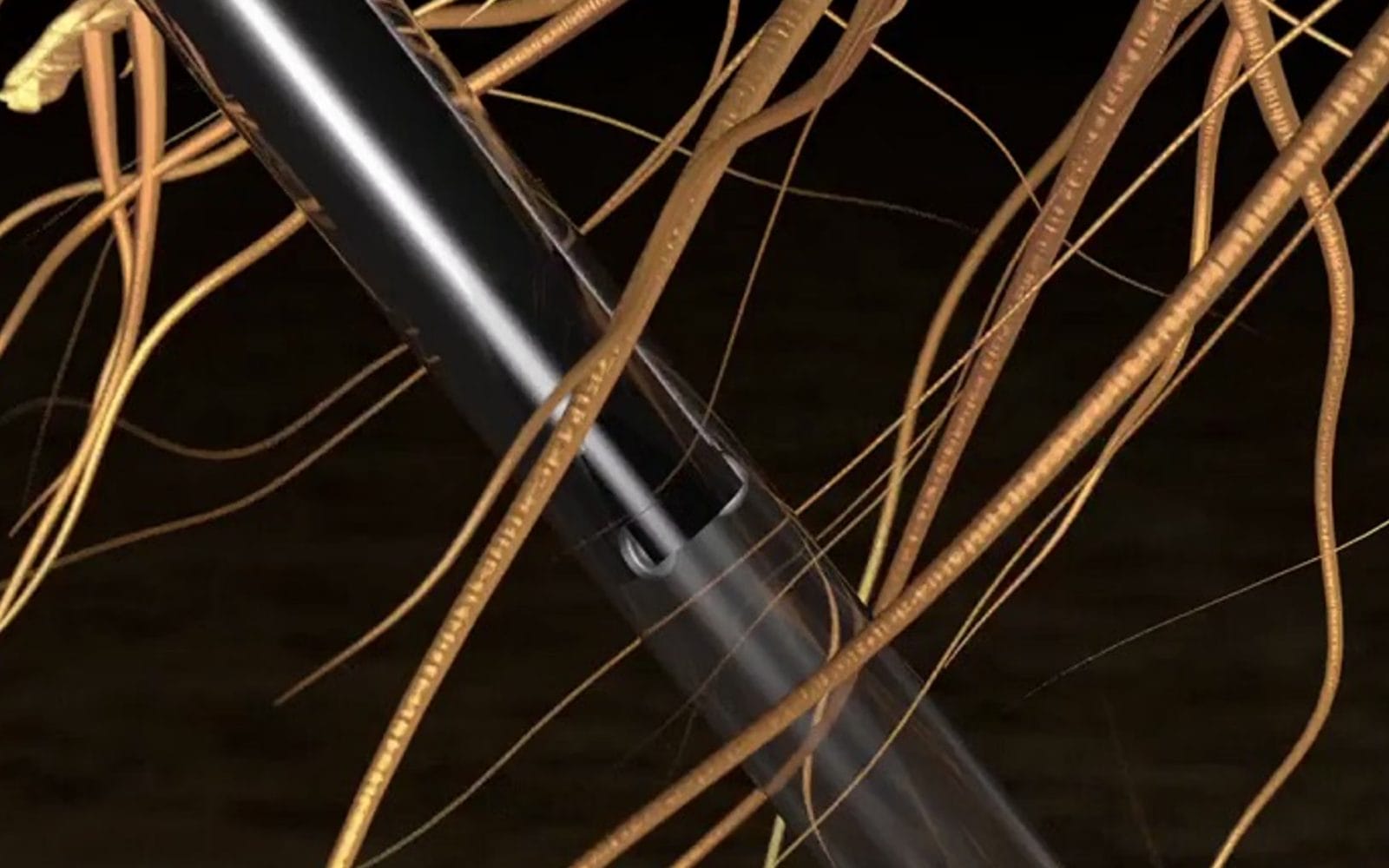
Selecting the right root imagers for crop rhizosphere research is a practical decision that often determines the quality and reliability of underground data. Roots change constantly as they respond to water, nutrients, texture, biota, and management. Capturing these responses in situ requires imaging systems that are stable, portable, and able to deliver clear, repeatable scans… Continue reading…
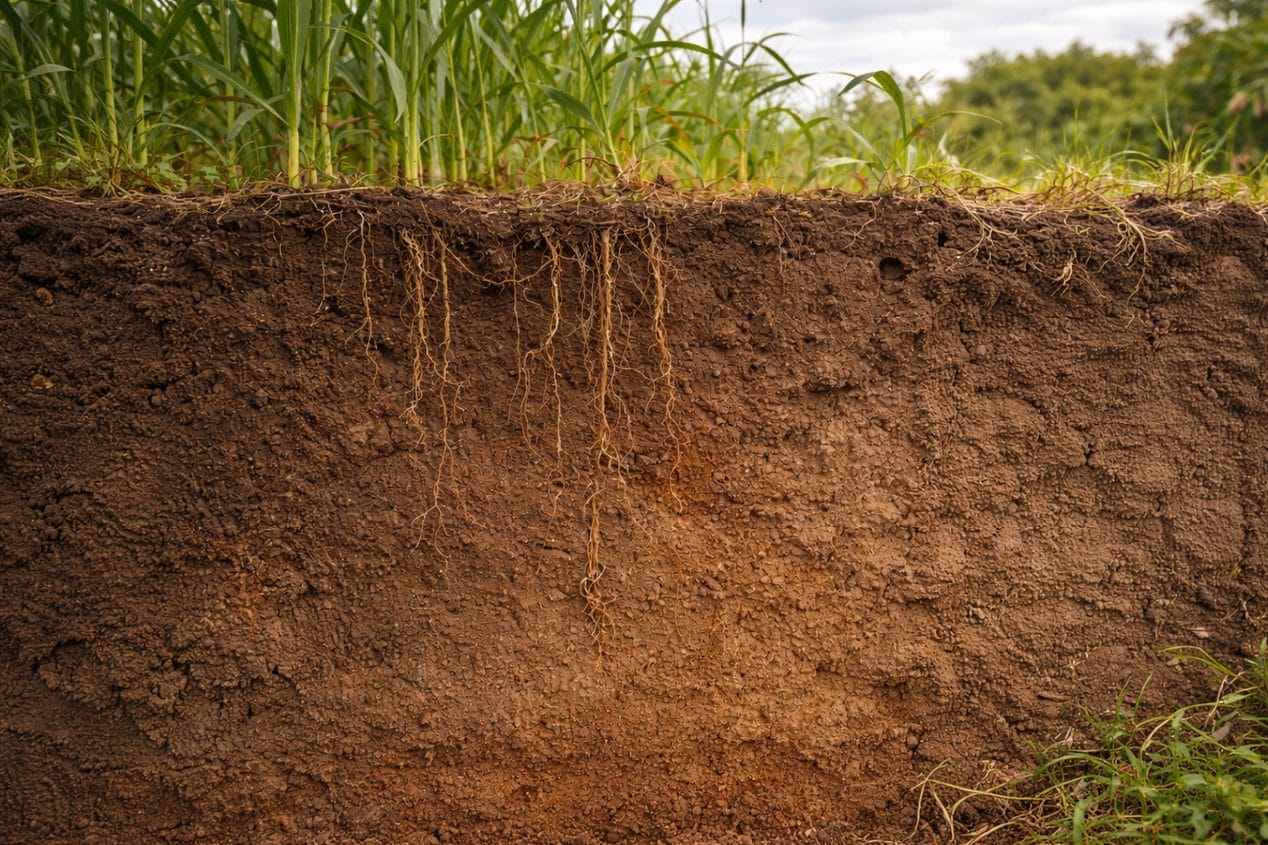
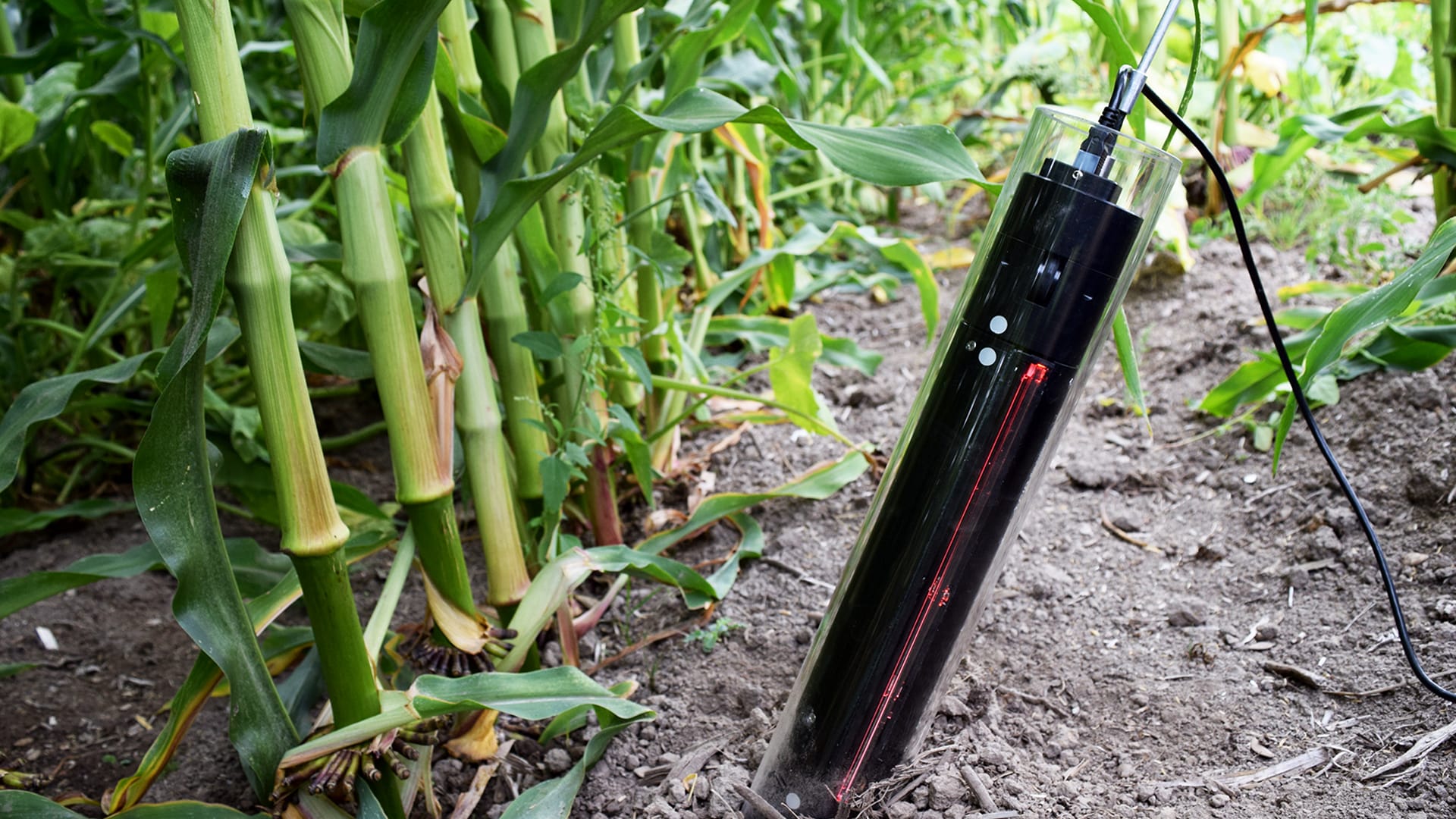
Selecting the Right Root Imager: Depth, Resolution, Cover, and Cost

Selecting the Right Root Imager Depth, Resolution, Cover, and Cost

Choosing the right root imager is one of those decisions that can quietly shape the quality of an entire research program. Roots are dynamic, heterogeneous, and difficult to observe without disturbing the system you are trying to measure. A good root imager lets you work around that problem by balancing depth, resolution, spatial cover, and… Continue reading…

CI‑600 In‑Situ Root Imager vs Traditional Minirhizotron: Time, Labour & Insights

CI-600 In-Situ Root Imager

The CI-600 In-Situ Root Imager is a modern solution for non-destructive root observation and data collection. Compared to traditional minirhizotron systems, it delivers faster image capture, greater consistency, and richer insight into below-ground dynamics while cutting the time and labour typically associated with root research. The Challenge of Root Observation Roots drive plant performance, yet… Continue reading…